






What's Happening?
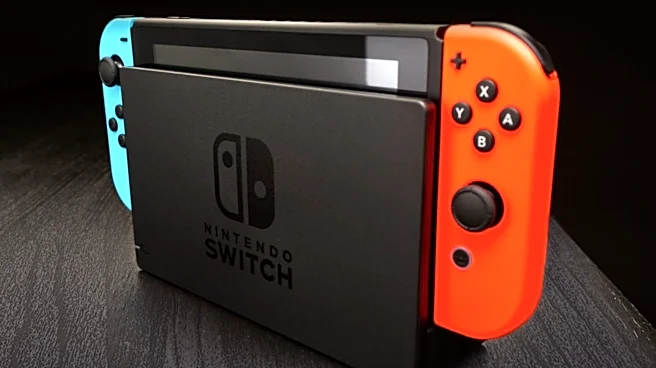
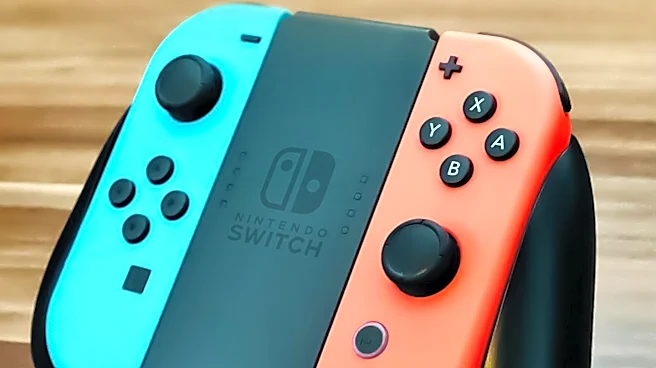
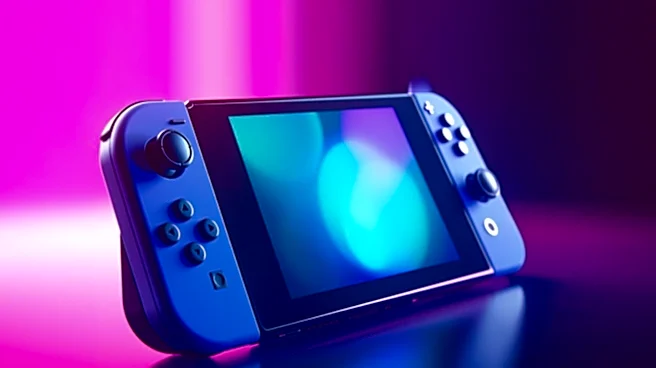
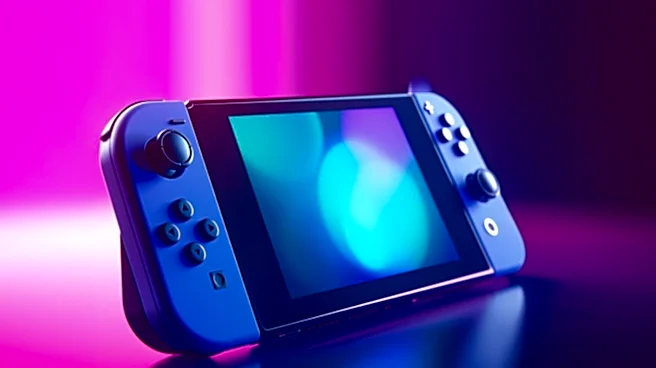
Nintendo is reportedly exploring the possibility of upgrading its Switch 2 console with an OLED screen, according to a major Korean technology website. This development follows earlier discussions about enhancing the console's LCD panel. The potential
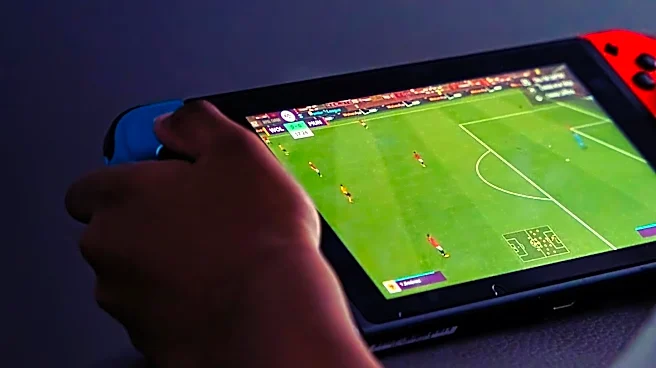
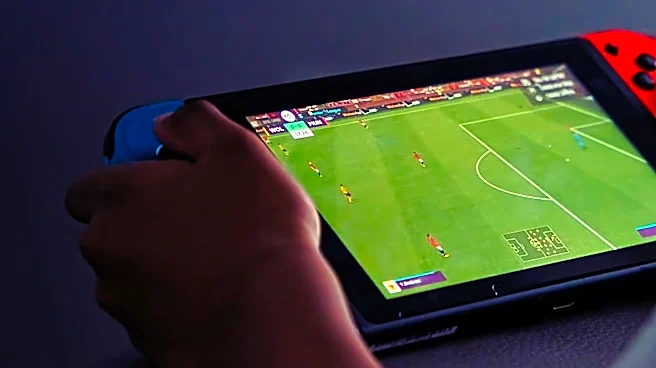
upgrade is not expected to begin production until the end of 2027, with a possible release in 2028. This timeline would mirror the four-and-a-half-year gap between the original Switch's release and its OLED version. Samsung Display is speculated to be the supplier for the OLED screens, similar to the original Switch. The upgrade aims to address issues such as screen delay, ghosting, and imprecise HDR support, which have been points of criticism for the current LCD model. The Switch 2 OLED is expected to feature a resolution upgrade from HD to FHD, aligning with the console's native 1080p resolution in handheld mode.
Why It's Important?
The potential upgrade to an OLED screen for the Switch 2 is significant for several reasons. Firstly, it addresses ongoing consumer complaints about the current LCD screen's performance, particularly regarding delay and ghosting issues. An OLED screen would enhance the visual experience, offering better color accuracy and contrast, which is crucial for gaming. Additionally, the move could position Nintendo more competitively in the handheld gaming market, where visual quality is a key differentiator. However, the upgrade could also lead to increased production costs, which might affect the console's pricing strategy. This development is particularly relevant in the context of the ongoing component crisis, which could impact the availability and cost of OLED screens.
What's Next?
If the OLED upgrade for the Switch 2 is confirmed, product development could begin by the end of the year. This would involve addressing technical challenges and securing component supplies, particularly from Samsung Display. Nintendo will also need to consider the pricing implications of the upgrade, as OLED screens are typically more expensive than LCDs. The company may face strategic decisions about how to balance enhanced features with cost-effectiveness to maintain its market position. Additionally, Nintendo has announced small revisions to Switch 2 products in Europe to comply with new regulations, which could influence the timing and scope of the OLED upgrade.