



What's Happening?
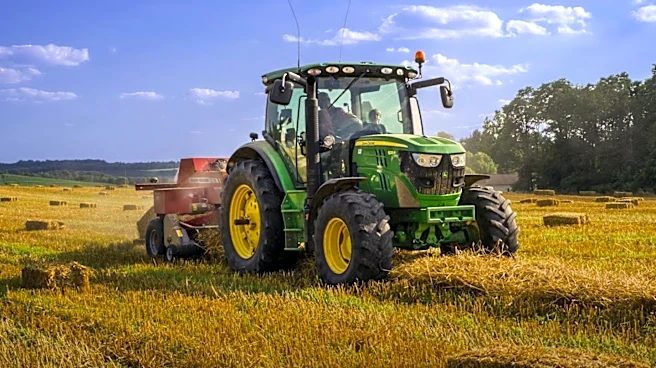
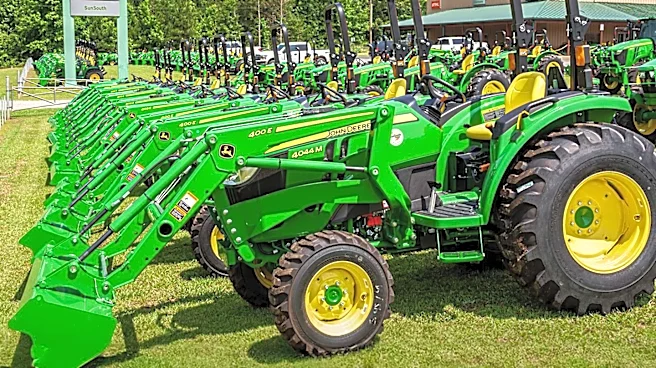
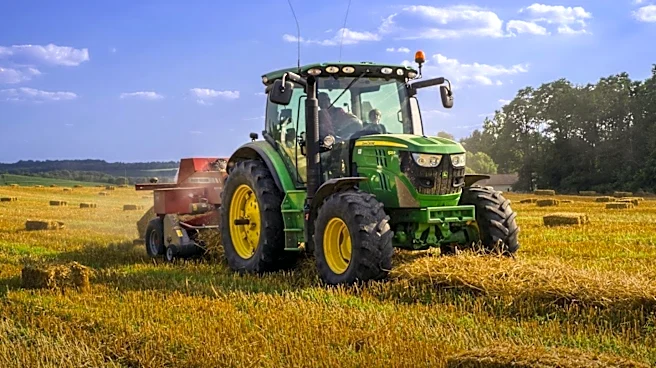
John Deere, a company founded in 1837 and historically known for agricultural equipment, is increasingly integrating software, data, and intelligence into its products. This strategic shift is transforming its business model to include recurring revenue
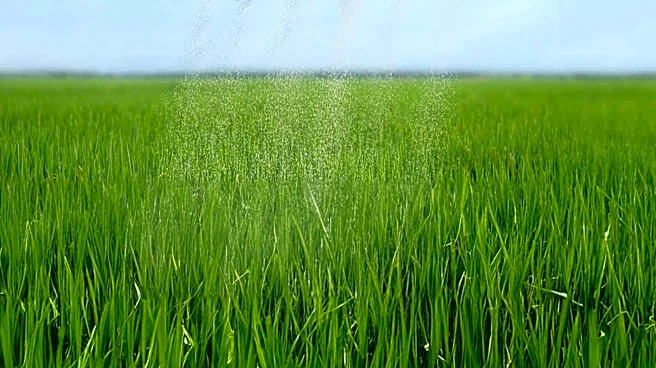
streams from software as a service. The company offers APIs, such as MyJohnDeere, which provide OAuth 2.0 access to critical agricultural data including machine telemetry, yield data, and as-applied maps. This move is part of a broader trend in agriculture where technology is being leveraged to improve efficiency and decision-making. John Deere is also actively involved in developing advanced technologies like seed and spray systems that have demonstrated significant reductions in herbicide use, highlighting a commitment to sustainable and precise farming practices. The integration of these digital tools aims to address the challenge of data silos in farming, where information from various sources often remains disconnected, hindering comprehensive analysis and optimized operations.
Why It's Important?
This transformation by John Deere is highly significant for the U.S. agricultural industry, impacting farmers, technology providers, and the broader economy. For farmers, the integration of software and data promises enhanced efficiency and profitability by enabling more precise decision-making. Unified data pipelines, which connect equipment manufacturer APIs like MyJohnDeere, AGCO's Fuse, and Case IH's AFS Connect, can help farmers cross-reference yield data against inputs, soil types, and drone imagery. This can lead to substantial cost savings; for instance, a 5,000-acre corn and soybean operation could save $75,000–$150,000 per season by eliminating redundant input applications through precision agriculture software. The shift towards recurring software revenue also signifies a change in how agricultural equipment manufacturers generate income, moving beyond one-time sales to continuous service provision. This could foster a more stable and predictable revenue model for companies like John Deere, while also creating new opportunities for AgTech software developers who can build solutions on top of these integrated data platforms. The growth of the global precision farming market, projected to reach $48 billion by 2035, underscores the economic importance of these technological advancements.
What's Next?
The ongoing integration of software and data into agricultural equipment suggests a future where farming operations become increasingly data-driven and automated. John Deere's continued development of APIs and data integration capabilities will likely lead to more sophisticated precision agriculture tools. This will enable farmers to further optimize planting, spraying, and harvesting processes, potentially leading to higher yields and reduced environmental impact. We can expect to see continued efforts to overcome the 'farm data silo problem,' with more universal abstraction layers like Leaf Agriculture emerging to normalize data from various manufacturers. This will facilitate a more holistic view of farm operations for growers, regardless of the brand of their equipment. Furthermore, the emphasis on recurring software as a service revenue indicates that John Deere and similar companies will likely invest more in developing and maintaining these digital platforms, potentially offering new features and services to farmers on an ongoing basis. This could also spur further innovation in AgTech, as developers leverage these APIs to create specialized applications that cater to specific farming needs, from weather forecasting to advanced soil analysis.
Beyond the Headlines
The deeper implications of John Deere's shift extend beyond immediate operational efficiencies to fundamental changes in the agricultural ecosystem. The increasing reliance on proprietary software and data platforms raises questions about data ownership, privacy, and access for farmers. While APIs like MyJohnDeere offer data access, they often require OAuth tokens and partner agreements, potentially creating dependencies on manufacturers. This could lead to discussions about interoperability standards and open-source solutions in agriculture to ensure farmers have full control over their data. Ethically, the use of advanced seed and spray technology, while reducing herbicide use, also brings considerations about the potential for over-reliance on technology and the need for human oversight in complex farming decisions. Culturally, this technological evolution could reshape the skills required for farming, moving towards a more tech-savvy agricultural workforce. The long-term shift could see agriculture becoming a highly integrated, data-centric industry, where success is increasingly tied to the ability to effectively manage and utilize vast amounts of information, potentially widening the gap between technologically advanced farms and those with limited access to such resources.