



What's Happening?
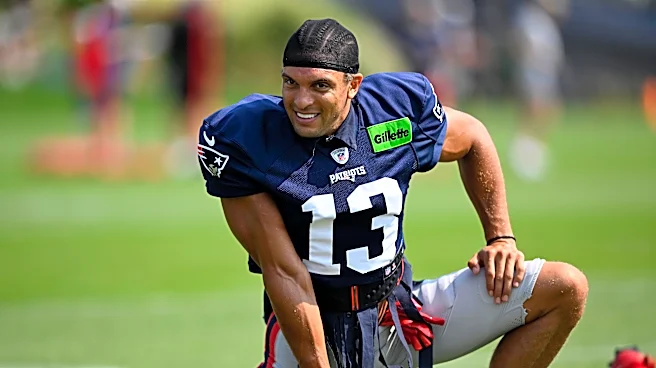
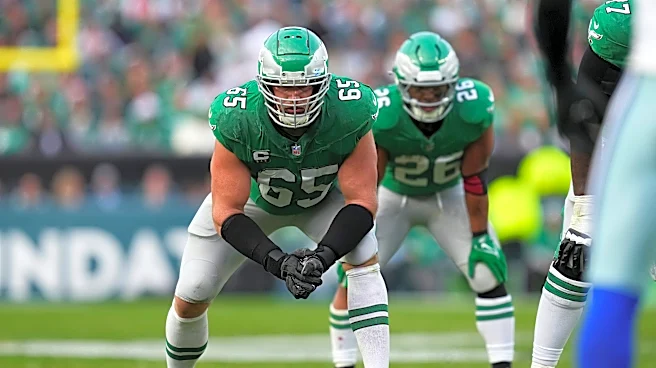
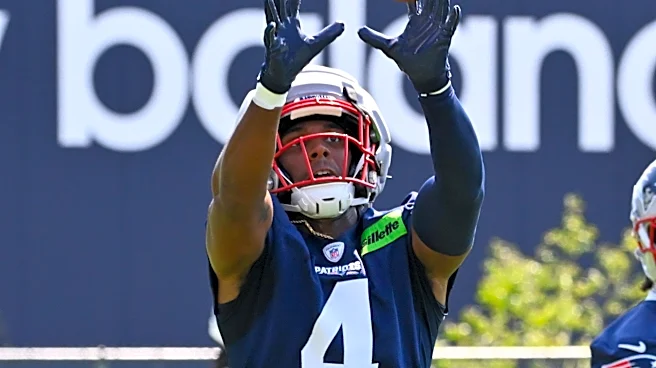
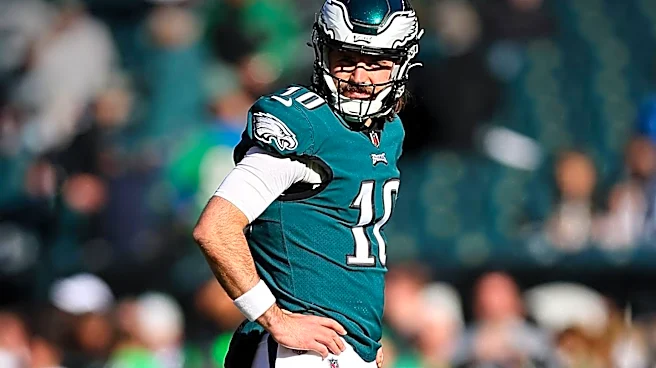
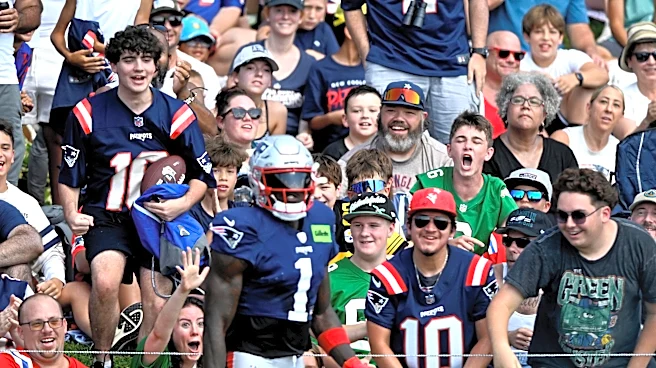
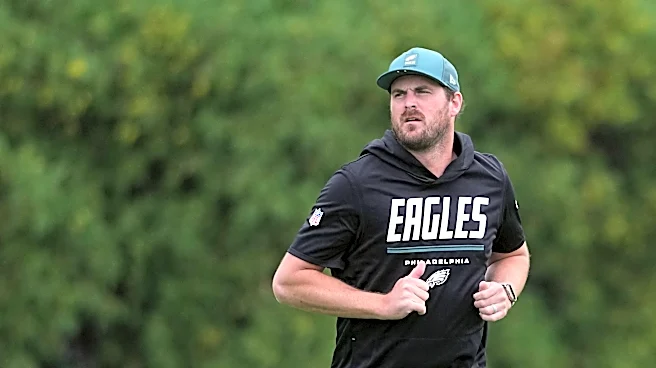
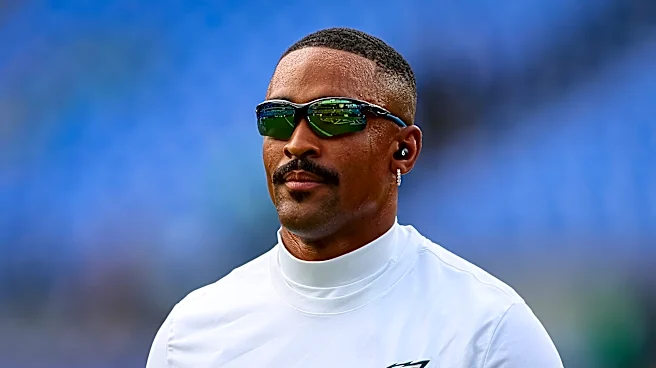
The New England Patriots and Philadelphia Eagles have wrapped up a series of joint practices, which both teams deemed highly successful. These sessions provided a valuable opportunity for players to engage in competitive drills against a strong opponent,
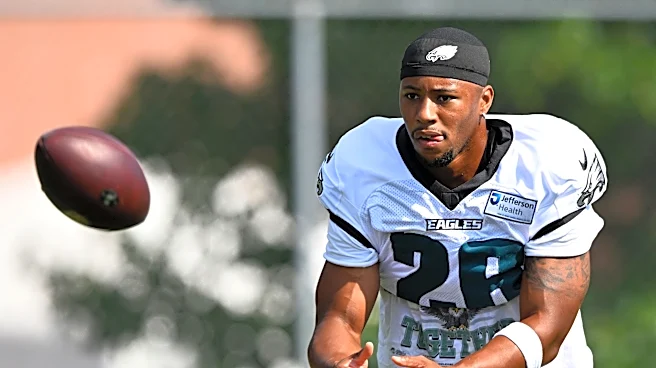
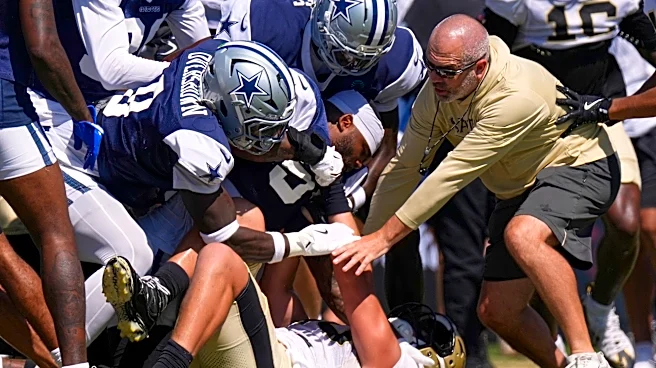
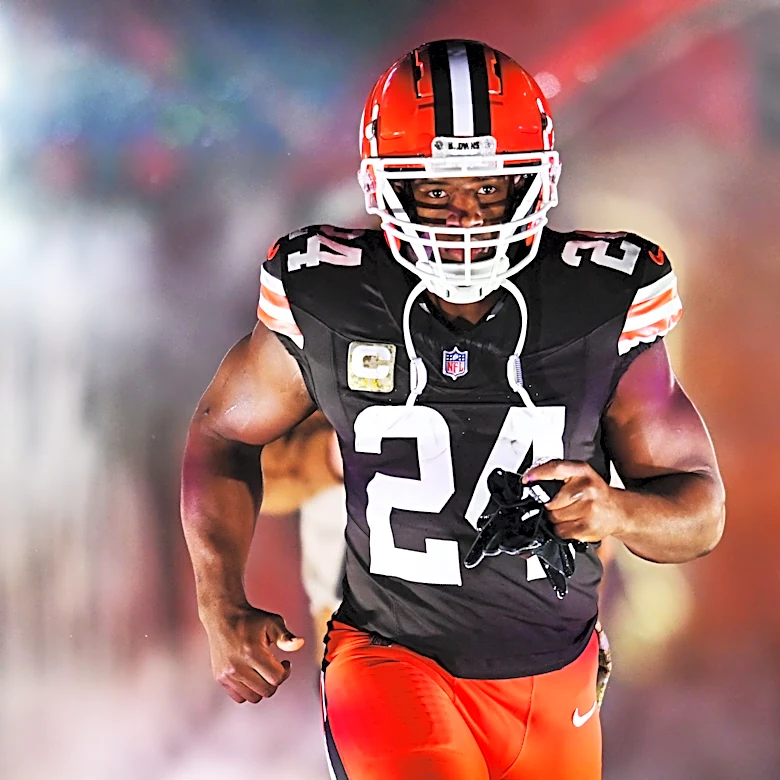
offering more learning experiences than a typical preseason game. The practices were characterized by controlled aggression, with players pushing limits but maintaining discipline, avoiding major altercations or penalties. This competitive environment is seen as a positive indicator of the teams' willingness to improve during the roster-building phase. Patriots reporters noted impressive performances from players like Jalyx Hunt, while the Eagles' running back unit, led by Saquon Barkley, demonstrated resilience despite Barkley's previously lower-graded season. The focus now shifts to their upcoming preseason Week 2 matchup, with hopes for an injury-free game.
Why It's Important?
Joint practices between NFL teams are crucial for player development and team cohesion, especially during the preseason. For the Patriots and Eagles, these sessions allowed for high-intensity, realistic game scenarios without the full risk of injuries or penalties associated with a regular season contest. This type of inter-team training helps coaches evaluate player performance against diverse schemes and talent levels, which is vital for finalizing rosters and refining strategies. The emphasis on 'controlled aggression' highlights a balance between fostering competitiveness and maintaining player safety, a significant concern in modern football. The success of these practices can contribute to improved on-field performance, potentially impacting the teams' readiness for the regular season and their overall competitive standing in the league.
What's Next?
Following these joint practices, the New England Patriots and Philadelphia Eagles are scheduled to face each other in their preseason Week 2 matchup. This game will serve as a direct test of the lessons learned and adjustments made during their shared training sessions. Coaches will be closely observing individual player performances to identify those who 'rise to the top' and secure roster spots. The focus will also be on maintaining an injury-free game, a primary concern for all teams during the preseason. The insights gained from both the practices and the upcoming game will be instrumental in shaping the final roster decisions and strategic approaches for the regular season, which is rapidly approaching.
Beyond the Headlines
Beyond the immediate competitive benefits, these joint practices foster a unique dynamic within the NFL. They represent a collaborative yet competitive spirit, where teams can push each other to improve while adhering to professional conduct. This approach contrasts with the traditional secrecy often surrounding NFL training camps, suggesting a growing trend towards more open, mutually beneficial preparation methods. The ability to simulate game-like conditions against a different opponent provides invaluable experience, particularly for younger players, helping them adapt to the speed and physicality of professional football. This collaborative competition ultimately contributes to a higher standard of play across the league, benefiting fans and the sport as a whole.