



What's Happening?
The Grammy Museum is hosting an event to celebrate and explore the significant contributions of Latino DJs, dancers, and communities to Southern California's rave and electronic music culture. The panel discussion will feature Bolo, DJ Irene, and Doc
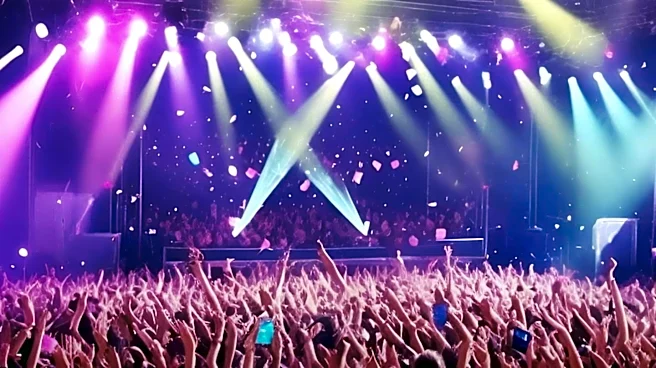
Martin, moderated by Richard Vission. This event aims to highlight how Latinos have historically been a dominant force on rave dance floors in Southern California, often constituting the majority of attendees at major events like EDC, HARD, Sky Line, or CRSSD, despite being underrepresented on stage. A new movement, Latino Rave, is actively working to bring Latino and Mexican-American culture to the forefront of the scene, both visually and sonically. Mexican-American DJ and producer Bolo has emerged as a leading figure in this movement, drawing massive crowds and selling out shows, connecting with a new generation of Latino ravers through his Latin house sound rooted in his Chicano upbringing.
Why It's Important?
This Grammy Museum event is crucial for recognizing and validating the often-overlooked influence of Latino communities in shaping a significant cultural phenomenon in the United States. By bringing together pioneering and contemporary figures, it sheds light on the historical depth and ongoing evolution of rave culture through a Latino lens. This acknowledgment helps to correct narratives that may have previously marginalized these contributions, ensuring a more inclusive and accurate understanding of electronic music history. For the Latino community, it provides a platform for pride and recognition, celebrating their role in creating spaces of belonging, creative expression, and cultural exchange. Furthermore, it highlights the economic and social impact of this community within the music industry, demonstrating their power as both consumers and creators of culture.
What's Next?
The Grammy Museum's initiative could spark broader discussions and further research into the cultural impact of various ethnic groups on American music genres. This event may encourage other cultural institutions and media outlets to explore similar underrepresented narratives within music history. For the Latino Rave movement, this high-profile recognition could lead to increased visibility, more opportunities for Latino artists in mainstream festivals, and greater investment in Latino-led music initiatives. It might also inspire a new generation of Latino artists and producers to enter the electronic music scene, further diversifying its sound and representation. The conversation could also extend to addressing issues of representation and equity within the music industry at large, pushing for more inclusive lineups and leadership roles.
Beyond the Headlines
Beyond the immediate recognition of Latino contributions to rave culture, this event touches upon deeper themes of cultural identity, belonging, and the politics of representation in popular culture. The fact that Latinos have been a dominant presence on dance floors but underrepresented on stage speaks to systemic issues within the entertainment industry regarding access and visibility. The rise of the Latino Rave movement signifies a powerful act of cultural reclamation and self-assertion, where communities are actively shaping their own narratives and demanding recognition for their cultural heritage. This movement reflects a broader trend of marginalized groups using cultural platforms to assert their identity and influence, challenging established norms and creating spaces that authentically reflect their experiences and contributions. It underscores how music scenes can be vital sites for community building and cultural empowerment.