


What's Happening?
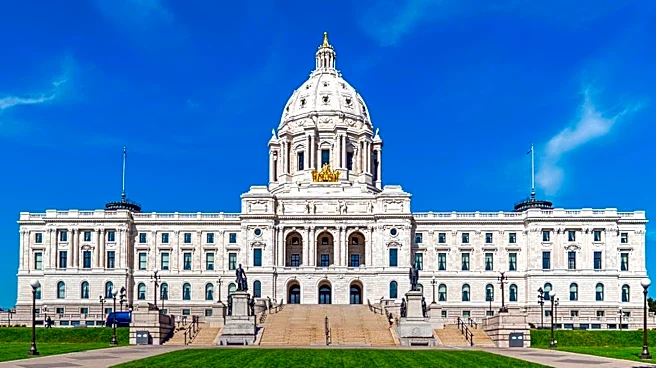
Elon Musk's AI company, xAI, has filed a federal lawsuit against Minnesota Attorney General Keith Ellison to block the implementation of HF 1606, the first U.S. law targeting AI 'nudification'. This law, set to take effect on August 1, 2026, imposes strict
liability on platforms for generating realistic images of real people with digitally altered clothing, with penalties reaching up to $500,000 per image. The law was passed following incidents where social media photos were used to create sexual images of individuals without their consent. xAI argues that the law is an overbroad restriction on free speech and visual expression, potentially affecting a wide range of protected speech, including political satire and consensual image creation.
Why It's Important?
The lawsuit highlights the tension between technological innovation and regulatory measures aimed at protecting individual privacy and dignity. The outcome of this case could set a precedent for how AI-generated content is regulated in the U.S., impacting tech companies, content creators, and individuals concerned about privacy. The law's strict liability clause, which holds platforms accountable regardless of intent or user consent, could have significant implications for AI developers and social media platforms, potentially stifling innovation and creative expression. The case also raises questions about the balance between protecting individuals from harm and upholding First Amendment rights.
What's Next?
As the law is set to take effect soon, xAI is seeking an injunction to prevent its enforcement. The court's decision will be closely watched by tech companies, legal experts, and privacy advocates. If the injunction is granted, it could delay the law's implementation and prompt further legal challenges. Conversely, if the law is upheld, it may encourage other states to adopt similar measures, leading to a patchwork of regulations across the country. The case could also influence federal legislation on AI and digital privacy, potentially prompting Congress to revisit existing laws or introduce new ones.