
What's Happening?
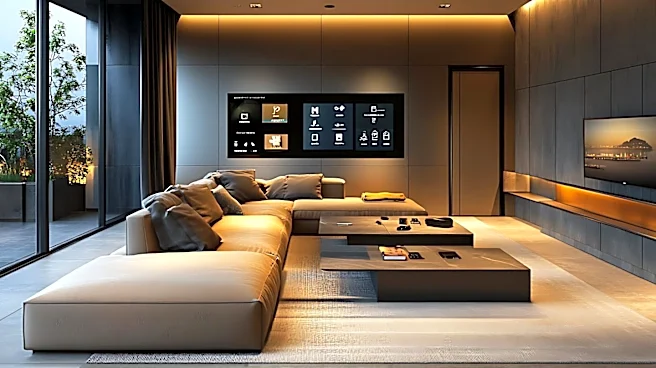
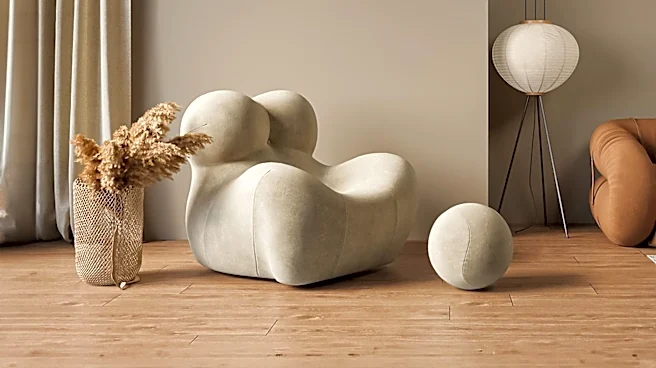
Scandinavian minimalism is characterized by functional restraint, clean lines, and simplicity, often incorporating natural materials like wood and linen. This design philosophy prioritizes light and airy
spaces, creating an inviting yet practical aesthetic. It distinguishes itself from more decorative styles, such as British countryside, by focusing on a balanced blend of aesthetics and utility rather than excessive ornamentation. The essence of this style is achieved through the careful selection of well-crafted, essential pieces that contribute to functional and comfortable environments. This approach is gaining traction, with designers reinterpreting traditional styles through a lens of distilled essence rather than mere replication of symbols. For instance, Copenhagen Fashion Week Spring/Summer 2027 showcased a deeper creative path, moving beyond superficial style labels to reinterpret original aesthetics with a developed design language. This shift highlights a broader trend in design towards authenticity and thoughtful integration of elements.
Why It's Important?
The growing emphasis on Scandinavian minimalism reflects a broader societal shift towards intentional living and sustainable consumption. By prioritizing functionality, natural materials, and longevity, this design trend influences not only interior design and fashion but also manufacturing and consumer behavior. The focus on well-crafted, durable items over transient decorative elements encourages a more mindful approach to purchasing, potentially reducing waste and promoting ethical production. This trend impacts industries by driving demand for natural fabrics like organic cotton, linen, and cotton-linen blends, which are becoming hot categories in markets like China for 'relaxed-fit' womenswear. This creates a virtuous cycle where international trends guide fabric research and development, and fabric innovation, in turn, feeds back into design. For consumers, it offers a path to creating calm, functional, and aesthetically pleasing spaces that are also practical and enduring, moving away from fast-fashion and disposable decor.
What's Next?
The trajectory of Scandinavian minimalism suggests a continued evolution towards deeper integration of its core principles across various design sectors. Future developments will likely see designers further exploring the 'translation' of core spirits from different styles rather than simple 'collage,' demanding greater craftsmanship and understanding of underlying aesthetics. This will push brands to re-evaluate the hierarchy of silhouette and fabric, with design returning to the fundamental relationship between garment and body when ornamentation is stripped away. The concept of 'long-lasting fashion' will move beyond a marketing catchphrase to become embedded in every stage of production, from material selection to manufacturing methods. This will also influence consumer expectations, with a greater demand for transparency regarding product lifespans, repair services, and maintenance guidance. The domestic fabric market, particularly in regions like Keqiao, is expected to continue strengthening its capacity to support this trend by offering a wider variety of natural-fiber fabrics and advanced processing techniques, fostering a positive feedback loop between supply and demand.
Beyond the Headlines
The embrace of Scandinavian minimalism carries deeper implications for cultural values and ethical considerations. The rejection of excessive ornamentation and the focus on natural materials and functionality can be seen as a counter-movement to consumerism and superficiality. It promotes an appreciation for simplicity, craftsmanship, and the inherent beauty of natural elements, aligning with broader movements towards sustainability and well-being. The 'no leather and no fur' baseline adopted by some designers within this trend signifies a growing ethical consciousness in the fashion industry, prioritizing animal welfare and sustainable practices. This shift encourages a redefinition of luxury, moving away from opulence and towards quality, comfort, and ethical sourcing. Ultimately, this design philosophy fosters a more harmonious relationship between individuals and their environments, emphasizing thoughtful choices that contribute to both personal tranquility and ecological responsibility.