








What's Happening?
Professional cycling has undergone a 'silent revolution' with the widespread adoption of strength training, moving away from the traditional emphasis on extremely lean physiques. Historically, cyclists feared gym work, believing it would lead to excessive
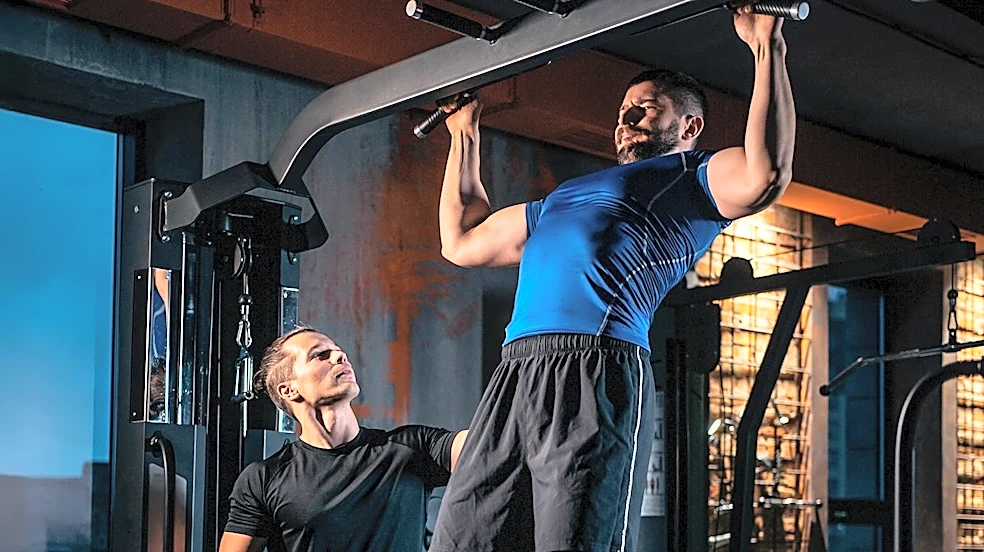
muscle mass detrimental to climbing. However, research, particularly from Bent Ronnestad in 2010 and 2011, demonstrated that heavy strength training significantly improves leg strength, reduces physiological strain during prolonged cycling, and increases power output. This shift has led to riders carrying more muscle mass, enhancing their durability and fatigue resistance, especially in the later stages of races. Mikel Zabala, a professor of cycling and science, notes that when he joined Movistar in 2013, no riders were doing strength work, a practice that has since been completely transformed. The integration of sports science, including velocity-based resistance training, allows for precise control of training intensity, preventing unnecessary fatigue while maximizing gains in strength and neuromuscular qualities. This scientific approach, combined with advancements in nutrition and recovery protocols, has contributed to the increasing speeds and changed body compositions observed in the peloton today.
Why It's Important?
This evolution in professional cycling training highlights a broader understanding of athletic performance and physical health, challenging long-held beliefs about optimal body composition in endurance sports. The move towards strength training underscores the importance of muscle mass not just for power, but also for injury prevention, durability, and overall physiological resilience. For the sports industry, this signifies a growing reliance on scientific research and data-driven training methodologies, potentially influencing coaching practices across various disciplines. It also impacts equipment manufacturers, as there's a demand for innovative tools like velocity-based resistance training systems. From a public health perspective, the emphasis on balanced training, combining strength and endurance, reinforces the message that muscle development is crucial for longevity and functional capacity, not just for elite athletes but for the general population. This paradigm shift could encourage more individuals to incorporate strength training into their fitness routines, recognizing its multifaceted benefits beyond aesthetics.
What's Next?
The trend of integrating advanced sports science and technology into cycling training is expected to continue, with a focus on further personalization and data utilization. Coaches will likely refine periodization strategies for strength training, adapting workloads based on a rider's role and race schedule, as noted by James Spragg. The use of sophisticated software like INSCYD, which analyzes internal physiological responses beyond power numbers, will become more prevalent, enabling highly specific training plans. Nutritional strategies will also evolve, with continued emphasis on periodized carbohydrate intake and gut training to optimize fueling and recovery. Furthermore, recovery protocols, including advanced sleep monitoring and cold-water immersion, will remain critical components of a rider's regimen. The success of this integrated approach in cycling may inspire other endurance sports to re-evaluate their training paradigms, potentially leading to a broader adoption of strength training and scientific methodologies across the athletic landscape.
Beyond the Headlines
The transformation in professional cycling training reflects a deeper cultural shift in how athleticism and health are perceived. The past 'phobia of muscle' among endurance athletes, particularly women, is being replaced by an appreciation for its role in longevity and performance. This challenges traditional notions of ideal body types in sports, promoting a more holistic view of fitness that values strength and resilience alongside endurance. The increasing reliance on data and technology in training also raises questions about the future of human coaching versus AI-driven programs, and the ethical implications of optimizing human performance to such a granular level. Moreover, the accessibility of these advanced training principles, once exclusive to elite athletes, is expanding to the general public through fitness apps and smart equipment, democratizing sophisticated training methods. This could lead to a more informed and effective approach to fitness for everyone, moving beyond fads to evidence-based practices that prioritize long-term health and functional ability.