






What's Happening?
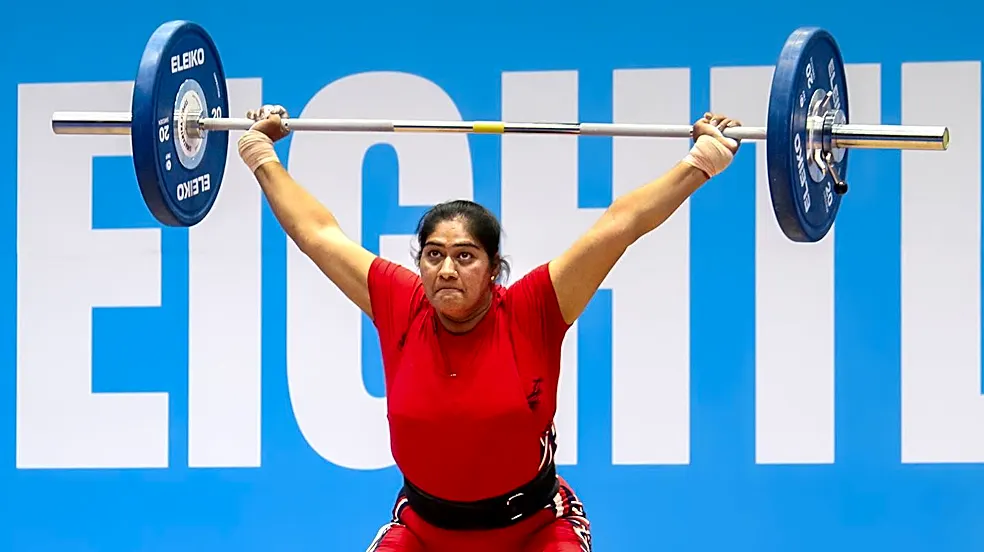
A team of vegan athletes emerged victorious in a six-event strength competition organized by fitness YouTuber Brandon William. The challenge pitted vegan competitors against meat-eating counterparts in various tests of strength, endurance, and grip power,
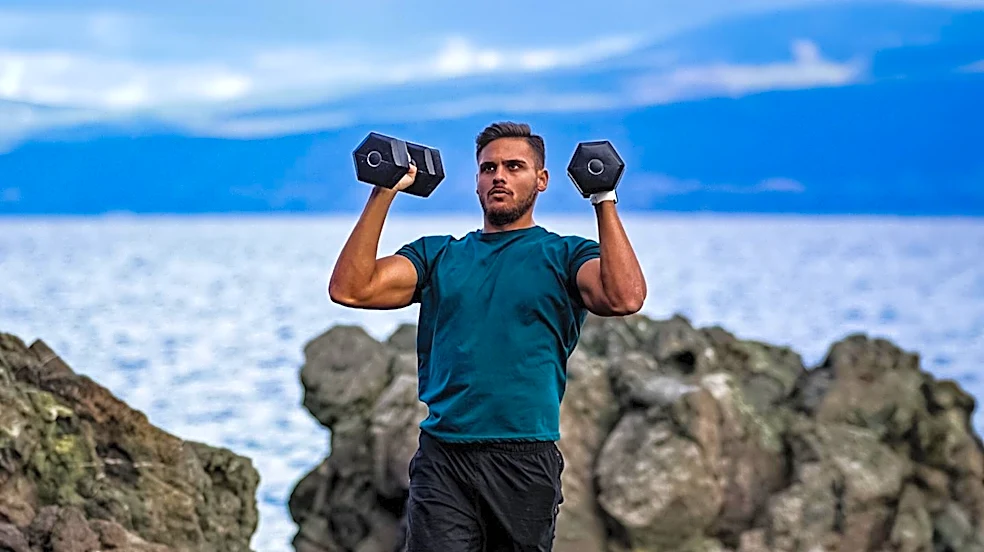
including deadlifts, arm wrestling, calisthenics, tire wrestling, dumbbell military press, and the Hercules hold. Despite the meat-eating team taking an early lead in events like the deadlift and calisthenics race, the vegan team staged a comeback, securing wins in tire wrestling, the dumbbell military press, and the decisive Hercules hold. The competition, while designed for entertainment, provided a visible counter-narrative to the common belief that a plant-based diet hinders muscle building and strength development.
Why It's Important?
This event holds significance as it directly challenges a long-standing stereotype that individuals on a vegan diet cannot achieve peak physical strength or build substantial muscle mass. The victory of the vegan team, particularly in a public and competitive setting, provides tangible evidence that plant-based nutrition can support high levels of athletic performance. This outcome could influence public perception of veganism, encouraging more individuals, including athletes, to consider plant-based diets without fear of compromising their physical capabilities. It also contributes to the growing body of anecdotal and scientific evidence suggesting the viability of veganism for strength and fitness, potentially impacting dietary trends and sports nutrition advice.
What's Next?
The success of the vegan athletes in this high-profile challenge is likely to fuel further discussions and interest in plant-based diets within the fitness and athletic communities. It may inspire more fitness influencers and organizations to host similar events, further exploring the capabilities of vegan athletes. This could also lead to increased research into the specific nutritional benefits and challenges of plant-based diets for strength training and athletic performance. For the general public, the visibility of such achievements might encourage greater adoption of plant-based eating, driven by both health and ethical considerations. The event could also prompt sports nutritionists and trainers to re-evaluate and potentially update their recommendations regarding plant-based diets for athletes.
Beyond the Headlines
Beyond the immediate competitive outcome, this strength showdown touches upon broader cultural and societal implications. It highlights the evolving understanding of nutrition and human performance, moving away from traditional reliance on animal products as the sole source of protein for muscle development. The event also serves as a powerful statement against speciesism, demonstrating that ethical dietary choices do not necessarily equate to physical limitations. It contributes to a shift in narrative, where veganism is increasingly associated with strength, health, and vitality rather than perceived as a restrictive or deficient diet. This could have long-term effects on food industries, dietary guidelines, and the overall acceptance of plant-based lifestyles in mainstream society.