




What's Happening?
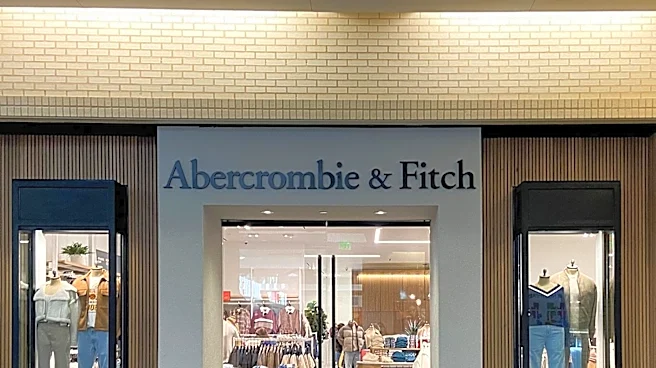
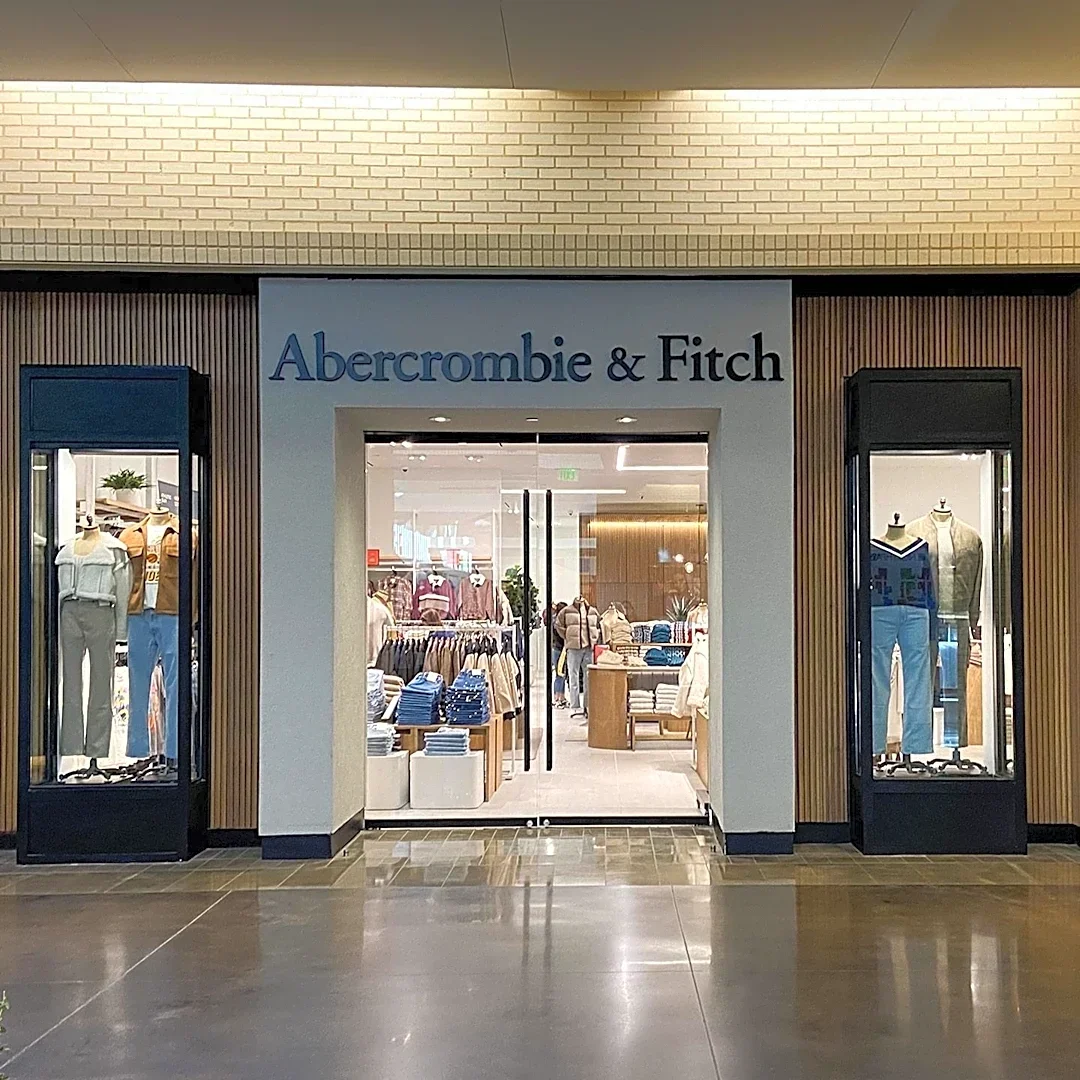
Abercrombie & Fitch is currently facing significant criticism, particularly on social media platforms like TikTok and Instagram, regarding a disparity in the material composition of its men's and women's sweaters sold at the same price point. A TikTok user,
Rachael Brownfield, highlighted that a women's Merino Wool-Blend Polo Sweater, priced at $95, is made of 66% nylon, 30% merino wool, and 4% elastane. In contrast, a men's 100% Merino Wool 3-Button Collared Sweater from the brand's A&F Signature Collection is also priced at $95 but is composed entirely of merino wool. This discovery has led to accusations of 'pink tax' and sexism, with consumers expressing frustration over what they perceive as lower quality materials for women's clothing at an equivalent price. The brand has previously faced similar criticisms regarding women's sizing and product choices, including not stocking larger sizes for women in 2013 and issues with inconsistent jeans sizing in 2025.
Why It's Important?
This situation is important as it highlights ongoing consumer scrutiny of pricing and quality disparities in the fashion industry, particularly concerning gender-specific products. The 'pink tax' refers to the phenomenon where products marketed to women are priced higher than similar products for men, or in this case, offer lower quality for the same price. This backlash can significantly impact Abercrombie & Fitch's brand reputation and sales, especially among a consumer base increasingly vocal about ethical and fair business practices. The incident also underscores a broader conversation about transparency in product labeling and the perceived value consumers receive for their money. For the retail sector, such public outcry can lead to increased pressure for brands to re-evaluate their pricing strategies, material sourcing, and marketing approaches to ensure equitable offerings across their product lines, potentially influencing industry-wide standards for gender-neutral pricing and quality.
What's Next?
In the immediate aftermath of the viral TikTok video, Abercrombie & Fitch reportedly marked down some sweaters, predominantly women's styles, within 24 hours, though the brand has not explicitly linked this promotion to the backlash. Moving forward, the company may need to issue a formal response to address the consumer concerns directly. This could involve clarifying their pricing and material sourcing policies, or potentially adjusting product lines to offer more equitable material compositions for women's apparel at competitive price points. The ongoing public discussion could also prompt other fashion retailers to review their own product offerings to avoid similar controversies. Consumers will likely continue to monitor the brand's actions and product developments, and sustained pressure could lead to long-term changes in how Abercrombie & Fitch designs, markets, and prices its clothing for different genders.
Beyond the Headlines
The controversy surrounding Abercrombie & Fitch's sweaters extends beyond mere pricing and material differences; it touches upon deeper societal perceptions of value and gender in consumer goods. The 'pink tax' is a manifestation of systemic biases that often undervalue women's products or assume women are willing to pay more for comparable items. This incident could fuel broader discussions about gender equality in commerce and encourage consumers to be more vigilant about product comparisons. Furthermore, the power of social media in holding corporations accountable is once again evident, demonstrating how individual consumer observations can quickly escalate into widespread movements demanding corporate responsibility. This trend suggests a future where brands must not only focus on product quality and pricing but also on perceived fairness and equity in their offerings to maintain consumer trust and loyalty.