



What's Happening?
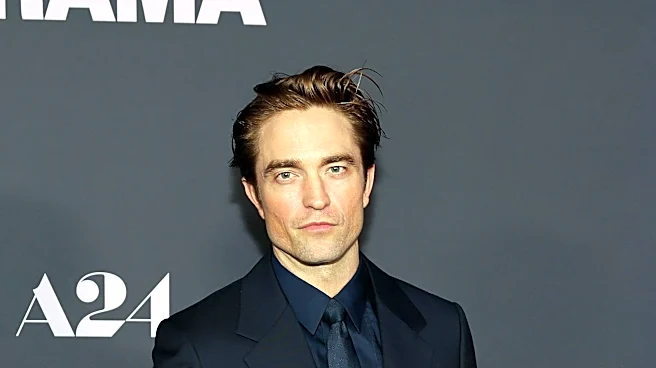
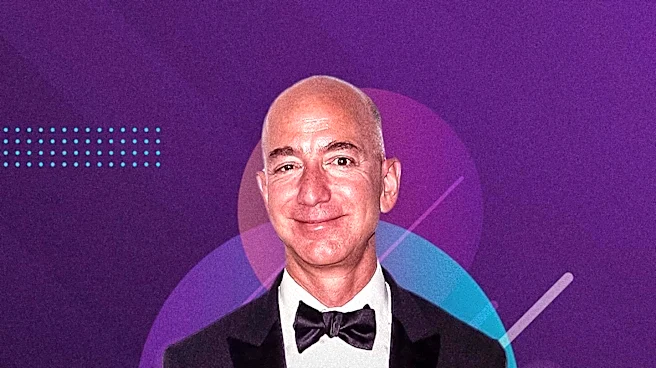
Author and podcaster Richard Osman expressed pity for Jeff Bezos regarding his comments on being 'heavily involved' in the casting process for the next James Bond. Osman, speaking on 'The Rest is... Entertainment' podcast, suggested that Bezos might believe
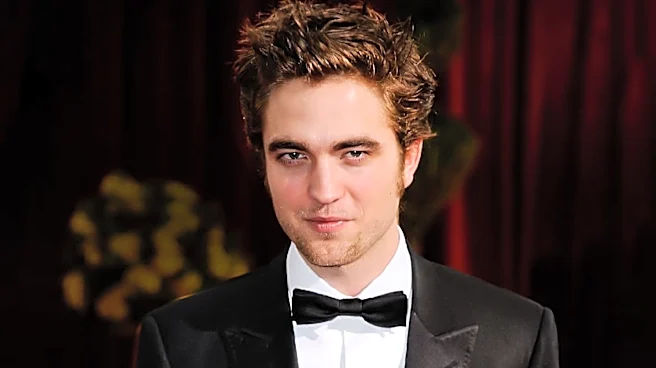
his input was more influential than it actually was during the casting of Robert Pattinson. Amazon MGM acquired creative control of the Bond franchise for over $1 billion, leading to Bezos's public statements about his involvement. Osman implied that while Bezos is brilliant in business, his perceived influence in creative decisions might be a misinterpretation of how creative teams operate, where 'the client's' opinions are often acknowledged but not necessarily followed.
Why It's Important?
This situation highlights the complex dynamics between business ownership and creative control within the U.S. entertainment industry, particularly following major acquisitions. When a tech titan like Jeff Bezos, known for his business acumen, enters the creative realm of a beloved franchise like James Bond, it raises questions about artistic integrity versus commercial interests. For the U.S. film industry, this scenario underscores the potential for tension when powerful executives, accustomed to direct influence in their primary fields, attempt to exert similar control over creative processes. It also reflects broader concerns among fans and industry professionals about the future direction of iconic franchises under new ownership, and whether creative decisions will be driven by artistic vision or executive preference.
What's Next?
The ongoing discussion about Jeff Bezos's involvement in the James Bond franchise is likely to continue as more details about the next film emerge. This could lead to increased scrutiny of Amazon MGM's creative decisions and the extent of executive influence. The debate may also prompt other media companies and content creators to consider how they manage the balance between financial backing and creative autonomy, especially in an era of increasing consolidation in the entertainment sector. Future casting announcements and production details for the Bond film will be closely watched for signs of this dynamic at play, potentially setting precedents for how major franchises are managed under new corporate ownership.
Beyond the Headlines
The deeper implications of this narrative extend to the cultural impact of corporate ownership on artistic expression. The concern raised by Marina Hyde on the podcast, regarding potential restrictions on Bond villain archetypes due to Bezos's background (e.g., avoiding tech moguls or space entrepreneurs), points to a subtle but significant form of self-censorship or influence. This raises ethical questions about the boundaries of ownership in creative industries and whether financial control should dictate artistic choices. It also touches on the broader cultural phenomenon of 'client' influence in creative fields, where the power dynamic can lead to a perceived need to appease financial backers, potentially diluting artistic vision. This scenario serves as a microcosm for the ongoing tension between art and commerce in the modern media landscape.