




What's Happening?
Cottagecore, a design and lifestyle movement, has seen a significant rise in popularity, particularly since 2017-2018 and during the COVID-19 lockdowns. This aesthetic is rooted in a romanticized vision of rural domesticity, drawing inspiration from the English
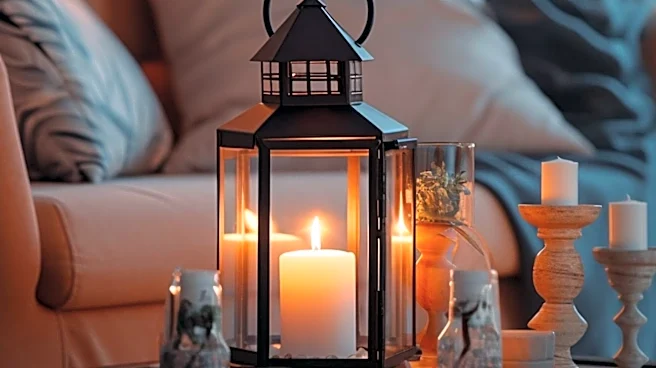
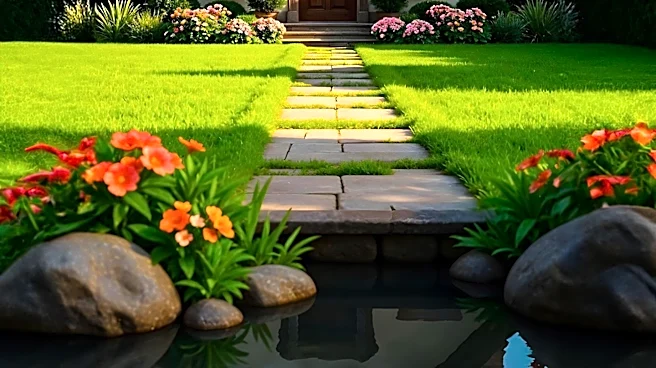
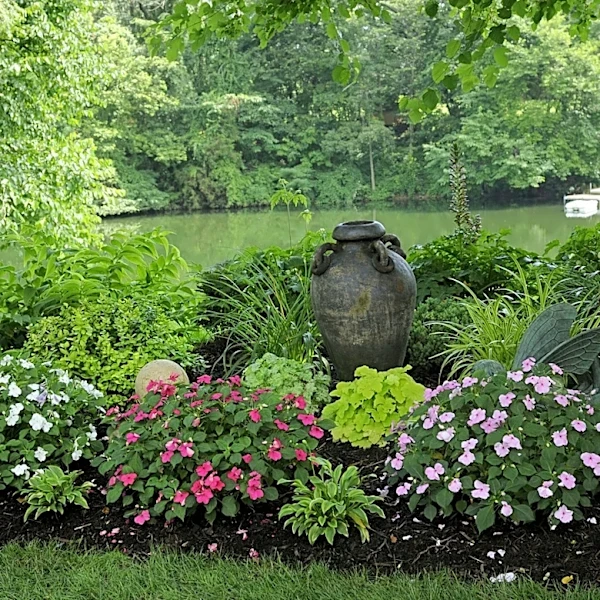
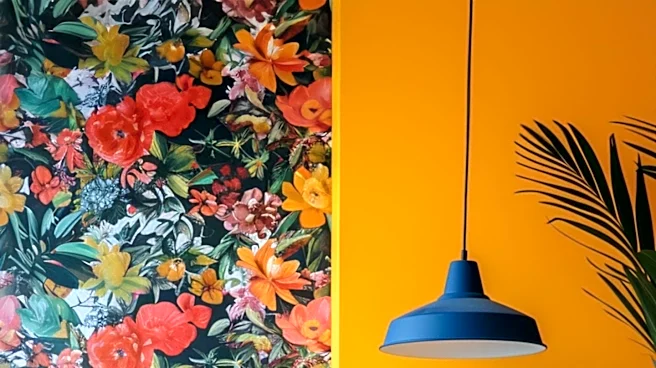
countryside and Victorian-era simplicity. It promotes the imagery of a productive, self-sufficient country existence, characterized by elements such as handmade quilts, lace curtains, beeswax candles, and antique Welsh dressers. The movement offers a visual language for those seeking comfort, a slower pace of life, and a rejection of modern productivity pressures. An offshoot, the wildflower aesthetic, focuses specifically on botanical beauty, incorporating wildflowers, meadow imagery, dried botanicals, and vintage floral prints, making the aesthetic more accessible without requiring a rural property.
Why It's Important?
The rise of Cottagecore reflects a broader societal yearning for simplicity, comfort, and a connection to nature, especially in the wake of increased digital saturation and global uncertainties. This movement impacts various U.S. industries, including home decor, fashion, and crafts, as consumers seek products that align with this aesthetic. Businesses catering to handmade goods, vintage items, and botanical-themed products are likely to see increased demand. Socially, Cottagecore promotes values of self-sufficiency, sustainability, and a slower lifestyle, potentially influencing consumer choices towards more eco-conscious and locally sourced goods. It also highlights a cultural shift towards valuing domesticity and traditional crafts, offering an escape from the fast-paced modern world.
What's Next?
The Cottagecore movement is expected to continue evolving, with the wildflower aesthetic potentially gaining more prominence due to its accessibility. Designers and retailers will likely further integrate elements like dried flowers, botanical prints, and soft, neutral color palettes into their offerings. There may be a continued emphasis on DIY and craft culture, encouraging individuals to create their own decor and embrace traditional skills. The movement could also inspire more sustainable living practices and a greater appreciation for local flora and fauna. As the aesthetic becomes more mainstream, there might be a diversification of its interpretations, allowing for broader adoption across different demographics and regions within the U.S.
Beyond the Headlines
Beyond its aesthetic appeal, Cottagecore taps into deeper psychological and cultural needs. It offers a sense of nostalgia for a simpler, perhaps idealized, past, providing a comforting antidote to contemporary anxieties. The emphasis on self-sufficiency and connection to nature can foster a greater sense of well-being and mindfulness. Ethically, it encourages sustainable consumption and a reduced environmental footprint through its focus on natural materials and handmade goods. Culturally, it represents a counter-movement against hyper-consumerism and the relentless pursuit of productivity, advocating for a life rich in experiences rather than material possessions. This shift could lead to a re-evaluation of societal values, prioritizing community, nature, and personal well-being.