

What's Happening?
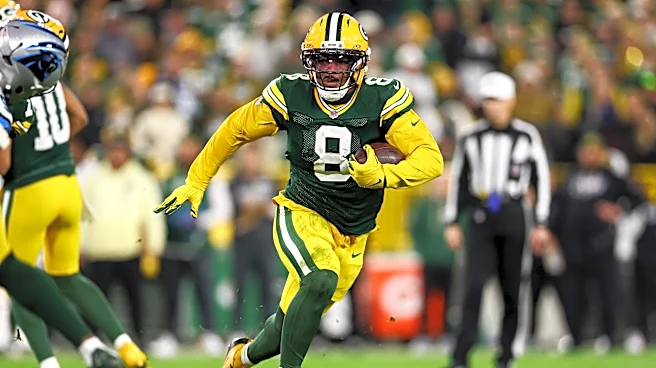
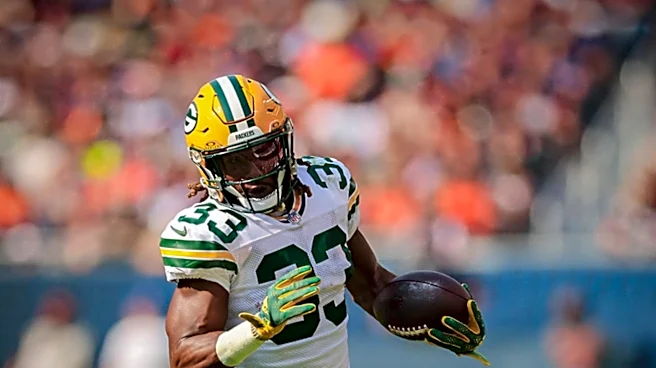
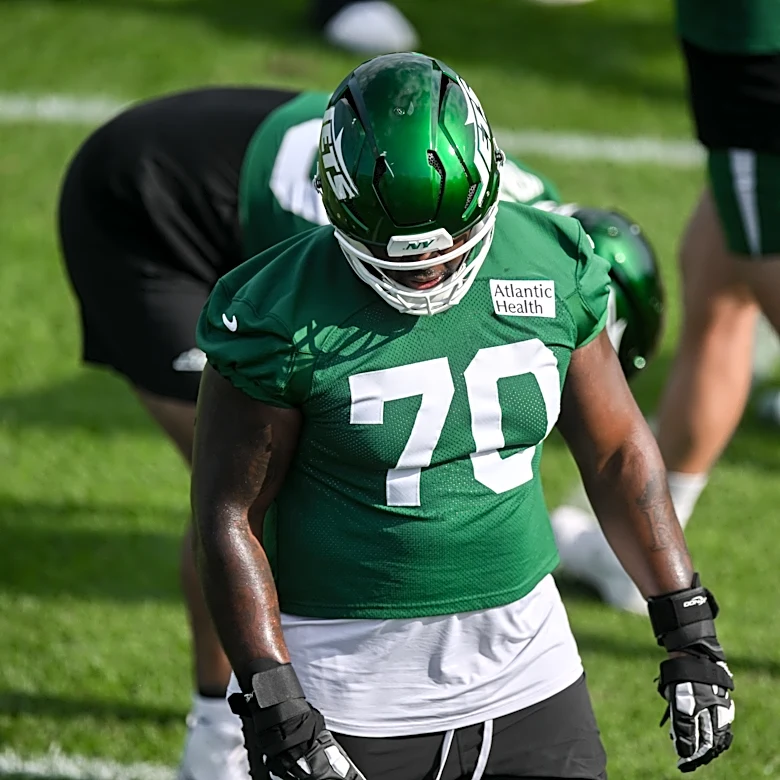
The Green Bay Packers, facing the NFL's worst rushing offense this season, reportedly pursued a trade for Tennessee Titans running back Tony Pollard. According to ESPN's Adam Schefter, Packers general manager Brian Gutekunst inquired about Pollard's availability.
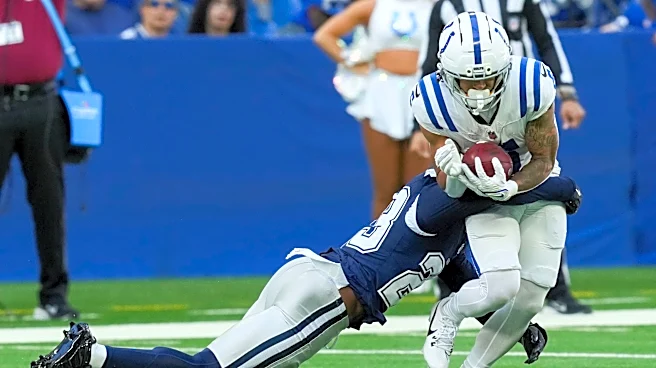
The Titans were open to trading the 29-year-old, who is in a contract year, but set a high asking price of at least a third-round pick. Both the Packers and the Denver Broncos, who also showed interest, ultimately declined to meet this demand. Green Bay's current rushing offense ranks last in rushing yards per game (68.2) and second-lowest in yards per carry average (3.0). This pursuit came as starting running back Josh Jacobs was out for multiple weeks due to injury. The Packers had previously inquired about Indianapolis Colts All-Pro running back Jonathan Taylor, but the Colts sought a first-round pick or multiple Day 2 picks in the 2027 NFL Draft, which Gutekunst also deemed too high.
Why It's Important?
The Packers' decision to not acquire a new running back, despite their struggling run game, highlights a strategic choice by general manager Brian Gutekunst to preserve future draft capital. The team's offensive line has been identified as a significant factor in the run game's struggles, suggesting that a new running back alone might not have solved the core issue. This approach indicates a long-term view on team building rather than a short-term fix, especially given that the Micah Parsons trade already left Green Bay without a first-round pick in the 2027 NFL Draft. Furthermore, a projected third-round compensatory pick for Miami signing Malik Willis is now likely to be a fourth-round selection due to Willis's injury. By not overpaying for Pollard or Taylor, the Packers retain valuable draft assets, which could be crucial for addressing other team needs in upcoming drafts. However, this also means the team will rely on its current roster to improve its ground game, potentially impacting their immediate playoff aspirations.
What's Next?
The Green Bay Packers will move forward with their current running back corps, including Josh Jacobs upon his return, along with Kaleb Johnson, MarShawn Lloyd, and Chris Brooks. The team will need to address its struggling rushing offense internally, potentially through scheme adjustments or improved offensive line play. The decision not to make a trade before the deadline suggests confidence in the existing roster's ability to compete for a Super Bowl run as currently constructed. The performance of the running game in the coming weeks will be a critical indicator of whether Gutekunst's decision to stand pat was the correct one. The team's ability to contend for an NFC North crown and a playoff berth will heavily depend on improving their offensive efficiency, particularly on the ground.
Beyond the Headlines
This situation underscores the complex balance NFL general managers face between immediate team needs and long-term roster sustainability. Overpaying for a player, especially one in a contract year like Tony Pollard, can deplete future draft capital, which is essential for building a consistently competitive team. The Packers' reluctance to part with significant assets for a half-season rental reflects a broader trend in the NFL where teams are increasingly valuing draft picks as currency for sustained success. It also highlights the challenge of evaluating player value in a trade market, where a team's perceived need can inflate asking prices. The focus on the offensive line as a primary cause for the run game's struggles suggests that systemic issues, rather than just individual player talent, are at play, requiring a more comprehensive solution than a single player acquisition.