



What's Happening?
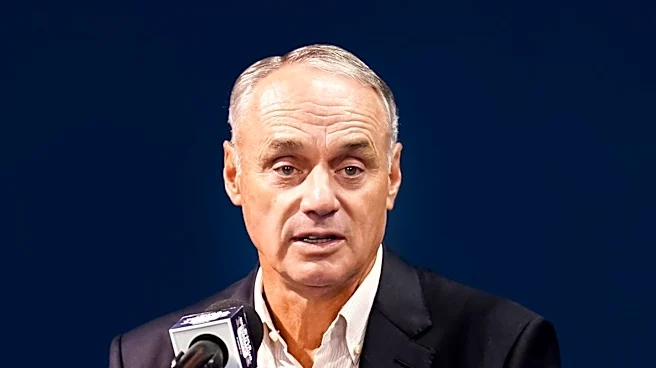
Major League Baseball Commissioner Rob Manfred has requested that the Players Association (MLBPA) approach upcoming collective bargaining agreement (CBA) negotiations with an open mind. This plea comes as MLB faces a high probability of a lockout this
offseason, primarily due to disagreements over a potential salary cap, which remains a significant point of contention. The league and ownership have introduced various proposals, including an expanded Division Series, a 154-game schedule, and other postseason changes. MLB's proposals also encompass more favorable terms for the annual MLB draft, the creation of an international draft, and changes to age requirements for draftees. Past proposals have included maximum contract parameters, elimination of deferred contracts, and the qualifying offer. The MLBPA, in turn, has proposed changes aimed at improving the game, protecting player health and safety, and strengthening the free-agent market, such as temporary roster expansion and changes to the optional assignments system.
Why It's Important?
The ongoing CBA negotiations are critical for the future of Major League Baseball, with the potential for a lockout posing significant disruptions. A lockout, if it occurs, would immediately suspend all free agency activity, impacting players' careers and team rosters. Furthermore, there is a substantial risk of losing games in the 2027 season, which would have severe financial implications for the league, team owners, players, and associated businesses. The introduction of a salary cap, a key point of contention, could fundamentally alter the economic structure of MLB, affecting player salaries and team competitiveness. The proposed changes from both sides, ranging from draft rules to player health and safety, highlight differing priorities that need to be reconciled to ensure the sport's long-term stability and growth. The outcome of these negotiations will shape the league's competitive landscape and financial health for years to come.
What's Next?
As the current collective bargaining agreement approaches its expiration, both MLB and the MLBPA will need to soften their stances to avoid a lockout. The immediate concern is the potential suspension of all free agency activity if a lockout begins on December 2. Further negotiations will likely involve continued discussions on the contentious salary cap, as well as other proposals from both sides, such as draft changes, contract parameters, and player welfare initiatives. The commissioner's call for an open mind suggests a desire to find common ground, but significant hurdles remain. Stakeholders, including team owners, players, and fans, will closely monitor the progress of these talks. The success or failure of these negotiations will determine whether the 2027 MLB season proceeds without disruption and how the league's economic and competitive structures evolve in the coming years.
Beyond the Headlines
Beyond the immediate threat of a lockout, the ongoing CBA negotiations reflect deeper tensions within Major League Baseball regarding economic equity and player rights. The league's push for a salary cap and changes to draft rules can be seen as an attempt to control costs and potentially redistribute talent, while the MLBPA's proposals aim to enhance player compensation, job security, and health protections. These negotiations are not just about specific rules but also about the fundamental balance of power between ownership and players. The outcome could set precedents for future labor relations in professional sports, influencing how other leagues approach similar challenges. The debate also touches upon the broader economic model of professional sports, including revenue sharing, player development, and the long-term sustainability of the game in an evolving entertainment landscape. The resolution will have lasting implications for the sport's integrity and its relationship with its fan base.