








What's Happening?
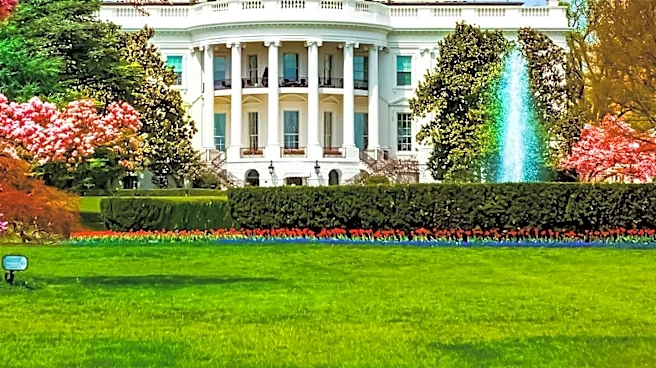
The 1996 film 'Independence Day', directed by Roland Emmerich, is celebrating its 30th anniversary. Known for setting the standard for modern disaster movies, the film's iconic scene of the White House explosion was almost cut due to studio concerns.
Screenwriter Dean Devlin revealed that the studio was apprehensive about including the scene in trailers following a recent terrorist attack on a federal building. Despite these concerns, Emmerich argued that the scene's inclusion would generate significant buzz, ultimately convincing the studio to retain it. This decision proved pivotal, as the scene became a defining moment in the film's marketing and success.
Why It's Important?
The decision to keep the White House explosion scene in 'Independence Day' highlights the impact of strategic marketing in the film industry. The scene's inclusion not only contributed to the film's massive box office success, grossing $817.4 million worldwide, but also played a crucial role in establishing Will Smith as a major movie star. The controversy surrounding the scene generated significant public interest, demonstrating how calculated risks in film marketing can lead to substantial rewards. This case underscores the delicate balance between creative vision and studio concerns in the filmmaking process.
What's Next?
As 'Independence Day' continues to be celebrated for its contributions to the sci-fi and disaster movie genres, its legacy is likely to influence future filmmakers. The film's success story may encourage directors and producers to advocate for bold creative decisions, even in the face of studio resistance. Additionally, the anniversary may prompt discussions about the evolution of film marketing strategies and the role of iconic scenes in shaping a movie's cultural impact.
Beyond the Headlines
The retention of the White House explosion scene in 'Independence Day' also raises questions about the ethical considerations of using controversial imagery in film marketing. While the scene's inclusion was ultimately beneficial for the film's success, it highlights the potential for media to exploit sensitive topics for commercial gain. This case may serve as a reference point for future debates on the responsibilities of filmmakers and studios in balancing artistic expression with social sensitivity.