




What's Happening?
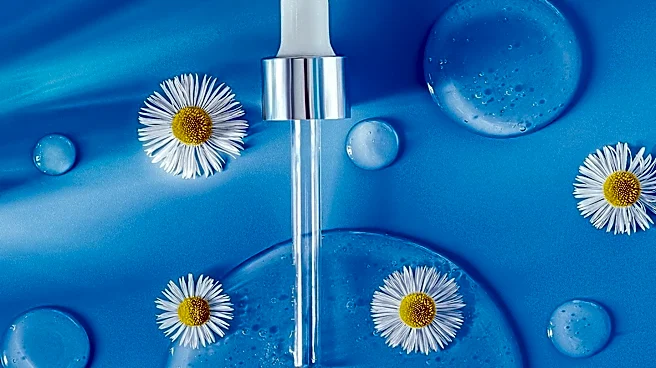
Hyaluronic acid (HA) serums are recognized for their ability to provide deep and lasting hydration, acting as a powerful humectant that attracts and holds water in the skin. HA is compatible with a wide range of active ingredients, including vitamin C,
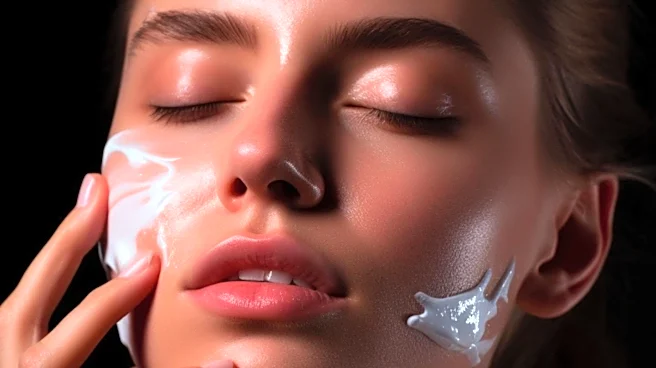
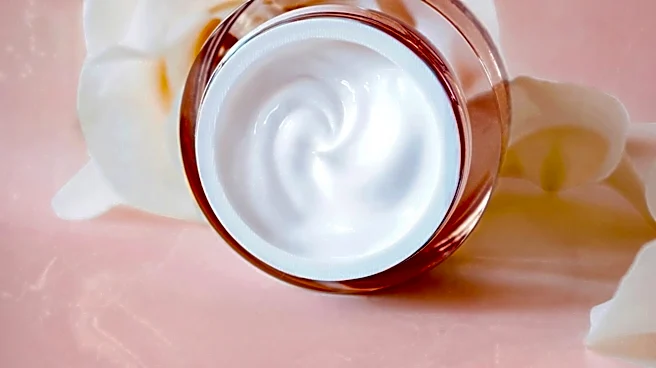
retinol, niacinamide, and peptides, making it a versatile addition to almost any skincare routine. It is gentle enough for twice-daily use across all skin types, without requiring a build-up period, tolerance threshold, or concerns about sun sensitivity. The effectiveness of HA serums is often enhanced by using multiple molecular weights, with low molecular weight HA penetrating deeper for elasticity and higher molecular weight HA providing immediate surface plumping. For optimal results, HA should be applied to slightly damp skin and sealed with an emollient or occlusive moisturizer to prevent moisture evaporation. This approach ensures that HA effectively hydrates the skin, creating a smooth canvas for makeup and improving the overall appearance of fine lines and texture.
Why It's Important?
The widespread compatibility and efficacy of hyaluronic acid make it a foundational ingredient in the U.S. skincare market, impacting product development and consumer routines. Its ability to pair safely with potent actives like retinol and vitamin C allows consumers to address multiple skin concerns without compromising skin barrier integrity or experiencing irritation. This versatility simplifies complex skincare regimens, making advanced treatments more accessible and tolerable for a broader audience. For the industry, HA's role as a 'carrier' ingredient encourages the formulation of synergistic products, driving innovation in multi-active serums and moisturizers. The emphasis on proper application techniques, such as applying to damp skin and sealing with a moisturizer, also educates consumers on maximizing product benefits, fostering a more informed and engaged user base. This sustained demand for HA underscores its status as a reliable and essential component of modern skincare.
What's Next?
The market for hyaluronic acid serums will likely continue to expand, with brands focusing on developing formulations that incorporate various molecular weights of HA and combine it with other complementary actives. Consumers can expect to see more integrated skincare systems where HA serums are designed to work seamlessly with other products in a brand's lineup. There will likely be increased emphasis on sustainable sourcing and production of HA, aligning with growing consumer demand for eco-conscious beauty. Educational efforts will continue to highlight the importance of proper application techniques and the benefits of HA for different skin types and concerns. Furthermore, research may explore novel delivery systems for HA to enhance its penetration and efficacy, potentially leading to even more advanced hydrating solutions. The role of HA as a buffer for potentially irritating actives will also remain a key selling point, driving its inclusion in a wide array of skincare products.
Beyond the Headlines
Hyaluronic acid's ubiquitous presence in skincare reflects a deeper cultural value placed on healthy, hydrated skin as a marker of well-being and youth. Its gentle nature and broad compatibility challenge the notion that effective skincare must be harsh or irritating, promoting a more nurturing approach to skin health. The scientific understanding of HA's molecular weights and their differing penetration levels also educates consumers about the complexities of ingredient science, moving beyond superficial claims to a more nuanced appreciation of product formulation. Ethically, the widespread adoption of HA encourages brands to prioritize skin barrier health and minimize irritation, contributing to a more responsible and consumer-centric beauty industry. This ingredient's enduring popularity signifies a shift towards foundational skin health as the basis for all other aesthetic goals, fostering a more holistic and sustainable approach to beauty.