






What's Happening?
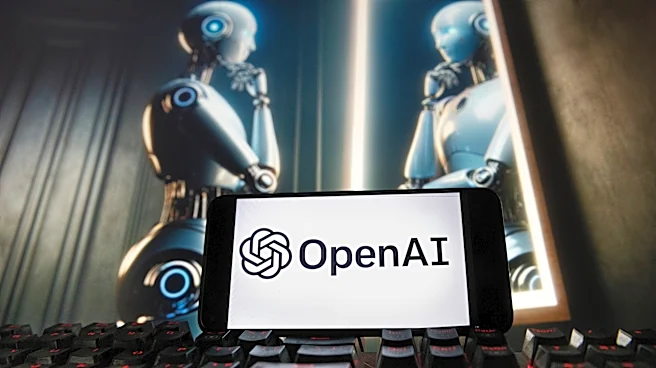
OpenAI announced the release of three new AI models, GPT-5.6 Sol, Terra, and Luna, but limited their availability to a small group of trusted partners at the request of the U.S. government. This decision follows an AI executive order signed by President
Trump, which encourages AI developers to allow government assessment of model capabilities before full release. OpenAI aims to establish a framework for such assessments and develop a repeatable process for future model releases. The company expressed concerns about the long-term implications of government access, emphasizing the need for broader availability of AI tools.
Why It's Important?
The restriction of AI model access highlights the growing influence of government regulation in the tech industry, particularly concerning AI development. This move reflects the Trump administration's proactive stance on AI oversight, aiming to balance innovation with security and ethical considerations. Limiting access to AI models could impact developers, enterprises, and cybersecurity professionals who rely on advanced AI tools. The decision underscores the importance of establishing clear guidelines for AI deployment, which could shape future regulatory frameworks and industry standards.
What's Next?
OpenAI plans to work with the Trump administration to refine the assessment process and expand model availability in the coming weeks. The company may engage in discussions with other stakeholders to address concerns about government access and ensure broader access to AI technologies. The tech industry will likely monitor these developments closely, as they could set precedents for AI regulation and influence global AI policies. OpenAI's collaboration with the government may lead to new partnerships and initiatives aimed at enhancing AI security and ethical standards.