







What's Happening?
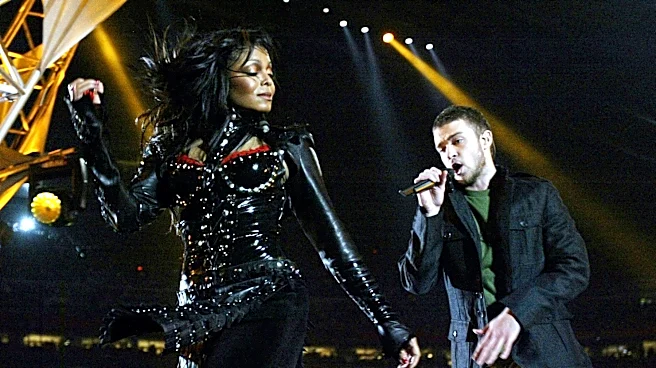
Janet Jackson's longtime fashion designer, Wayne Scot Lukas, has claimed that the infamous 'wardrobe malfunction' during her 2004 Super Bowl XXXVIII halftime performance with Justin Timberlake was a deliberate act. According to Lukas, the outfit was specifically
designed for Timberlake to expose Jackson's breast, a plan conceived just two days before the show. Lukas stated that the original intention was for Jackson to expose her backside, but this was changed to create a more provocative moment, reportedly to outdo the highly publicized kiss between Britney Spears, Madonna, and Christina Aguilera at the 2003 MTV Video Music Awards. Lukas also alleged that MTV producers made a 'mistake' by not cutting to black at the crucial moment, leaving Jackson exposed. Despite these claims, Jackson has consistently maintained that the incident was accidental. The designer also noted that Timberlake has not apologized for the incident and that Lukas himself was not asked to participate in Timberlake's upcoming documentary series, where the Super Bowl event is expected to be discussed.
Why It's Important?
This revelation, nearly two decades after the event, reopens a significant chapter in American pop culture and broadcasting history. The 2004 Super Bowl incident led to widespread public outcry, a lengthy investigation by the U.S. Federal Communications Commission (FCC), and a substantial fine against CBS, the network that broadcast the game. It also had severe repercussions for Jackson's career, including the withdrawal of her invitation to the Grammy Awards and the blacklisting of her music videos and singles by MTV and CBS. Lukas's claims challenge the long-held narrative of an accidental malfunction, potentially shifting public perception of the event and the roles played by Jackson and Timberlake. It highlights the pressures within the entertainment industry to create viral moments and the potential consequences when such attempts go awry, impacting careers, broadcasting standards, and public discourse on decency.
What's Next?
The claims made by Wayne Scot Lukas are likely to reignite public discussion and media scrutiny surrounding the 2004 Super Bowl halftime show. With Justin Timberlake reportedly preparing an Apple TV documentary that will touch upon the incident, Lukas's statements could influence the narrative presented in that series and potentially prompt Timberlake to address these new allegations directly. It may also lead to renewed calls for accountability or further examination of the events leading up to the performance. The entertainment industry, broadcasters, and regulatory bodies might revisit the implications of such planned stunts and their impact on public perception and broadcasting standards. Jackson, who has consistently maintained the incident was accidental, may also face renewed questions or choose to respond to her former designer's assertions.
Beyond the Headlines
The resurfacing of details surrounding the 2004 Super Bowl incident delves into deeper implications concerning media manipulation, gender dynamics in the entertainment industry, and the long-term impact of public scandals. Lukas's claim that the 'malfunction' was planned to outdo another provocative performance suggests a competitive environment where artists and their teams push boundaries for attention, often with disproportionate consequences for female artists. The differing career trajectories of Jackson and Timberlake post-incident have long been a point of discussion regarding gender bias in how such controversies are handled. This new information could further fuel conversations about the responsibility of all parties involved—performers, designers, choreographers, and producers—in creating and managing live broadcast events, as well as the ethical considerations of intentionally provocative acts in mass media.