


What's Happening?
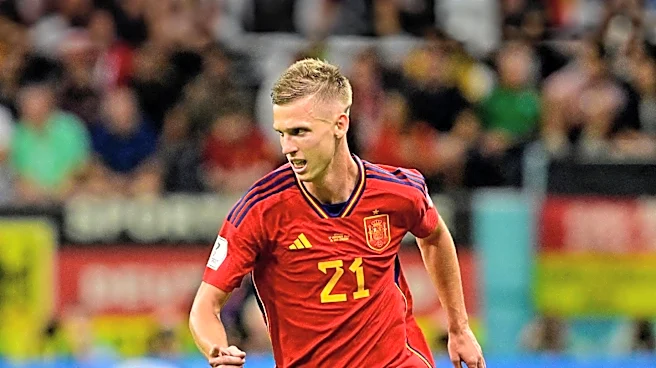
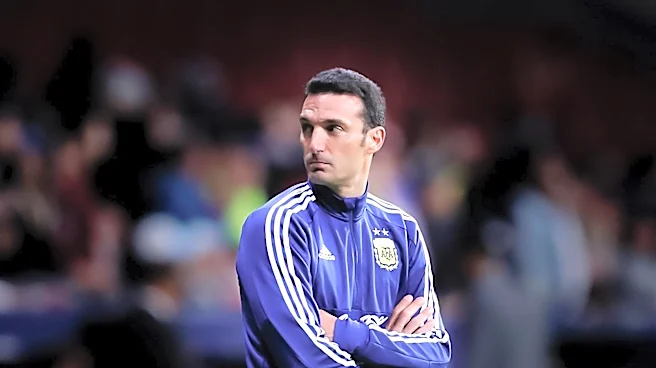
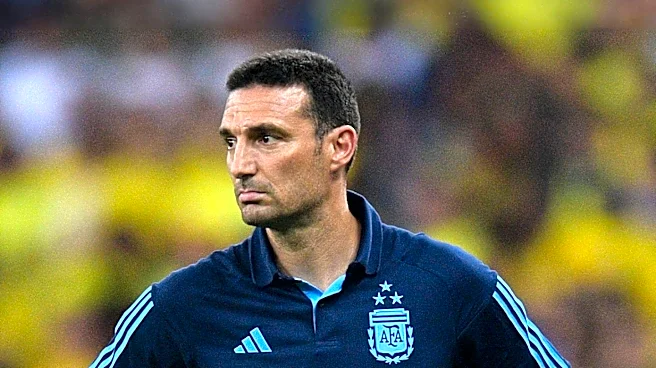
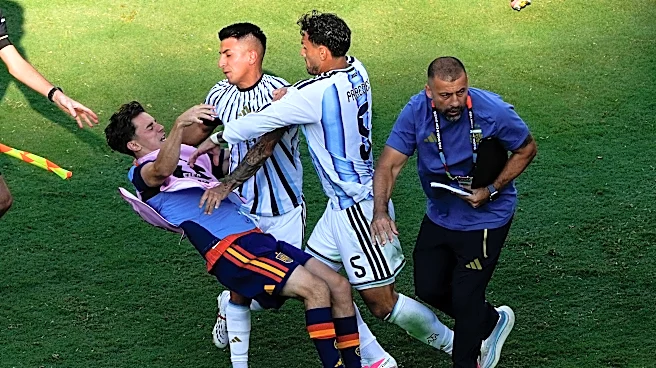
Spanish footballer Dani Olmo has publicly rejected an apology from Argentina's assistant coach Roberto Ayala following a physical altercation that occurred after the World Cup final. The incident took place after Spain's 1-0 victory over Argentina, where
Ayala was seen placing his hands near Olmo's neck. Ayala later expressed regret on Valencia Capital Radio, describing the incident as a shove rather than a punch and attributing it to a reaction to something Olmo allegedly said. However, Olmo, speaking to Diari de Terrassa, refuted Ayala's account, stating he did not provoke Ayala and criticized the sincerity of the apology. FIFA is currently investigating the altercation, which also involved Argentine midfielder Leandro Paredes confronting Spanish players. Olmo emphasized the importance of setting a positive example for fans and future generations through their conduct on the field.
Why It's Important?
This incident highlights the intense emotions and high stakes involved in international sports competitions like the World Cup. The altercation and its aftermath underscore the responsibilities of athletes and coaches to maintain professionalism and sportsmanship, even in high-pressure situations. The public nature of the apology and its rejection by Olmo also reflect the broader scrutiny that sports figures face, as their actions are often seen as representative of their teams and countries. The ongoing FIFA investigation could lead to disciplinary actions, which may impact the reputations and careers of those involved. This situation serves as a reminder of the influence sports figures have on public perception and the importance of accountability in maintaining the integrity of the sport.
What's Next?
As FIFA continues its investigation into the post-match altercation, potential consequences could include fines, suspensions, or other disciplinary measures for those involved. The outcome of the investigation may set a precedent for how similar incidents are handled in the future, influencing the behavior of players and coaching staff in international competitions. Additionally, the incident may prompt discussions within the football community about the need for clearer guidelines and training on conflict resolution and sportsmanship. The resolution of this case will be closely watched by fans, players, and officials, as it could impact the dynamics of future international matches and the public's perception of the sport.