


What's Happening?
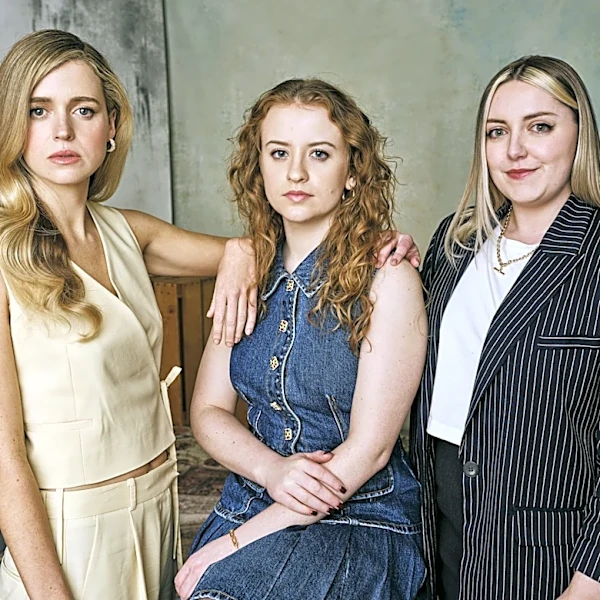
Showrunner Quinn Shephard has discussed the creative process and inspirations behind her new Netflix series, 'The Body.' The 8-episode YA drama, set in 2004, follows a Catholic school dance troupe whose faux 'sacrificial' routine at a Halloween party
leads to their new member, Grace, falling into a coma. The series explores themes of teenage girlhood, hysteria, and the supernatural, drawing from Shephard's personal influences. Shephard cited films like 'Donnie Darko,' 'Heathers,' 'The Crucible,' and 'Girl, Interrupted' as inspirations, particularly the 'girl erotic-psycho sexual thriller genre.' She also mentioned listening to artists like Ethel Cain and Latin choirs for the show's score, which blends techno with traditional Catholic sounds. The actors worked with choreographer Ryan Heffington for movement coaching, including scenes depicting seizures and falls, to ensure realistic performances.
Why It's Important?
Quinn Shephard's insights into the creation of 'The Body' highlight how personal experiences and a deep understanding of genre tropes can shape contemporary streaming content. Her approach of blending psychological thrillers, teen dramas, and supernatural elements, rooted in 2000s nostalgia, demonstrates a strategy to appeal to both younger audiences and those who grew up with similar media. The emphasis on authentic movement coaching for scenes of hysteria and possession underscores a commitment to realism within a fantastical narrative, potentially elevating the show's critical reception and audience engagement. This creative process reflects a broader trend in television production where showrunners draw from a rich tapestry of cultural references to create unique and resonant stories, influencing how future YA dramas on platforms like Netflix might be conceived and executed. The show's exploration of faith and hysteria also touches on complex societal themes, adding depth beyond typical teen fare.
What's Next?
With 'The Body' now streaming on Netflix, its reception will likely influence future projects for Quinn Shephard and potentially impact the types of YA dramas greenlit by the platform. The show's success could lead to a second season, as Shephard mentioned writing for it. The unique blend of genres and the focus on psychological depth might inspire other creators to explore similar thematic territory. Furthermore, the detailed approach to choreography and movement for non-dance scenes could become a more common practice in productions aiming for heightened realism in physical performances. The series' engagement with religious tropes and themes of faith and hysteria could also spark discussions among viewers and critics, contributing to its cultural impact and potentially influencing future narratives that tackle similar sensitive subjects.
Beyond the Headlines
The creative choices behind 'The Body' delve into the enduring fascination with teenage girlhood and its complexities, particularly when intertwined with supernatural or psychological elements. Shephard's return to these themes throughout her career suggests a deep-seated interest in exploring the vulnerabilities and power dynamics inherent in young female relationships and experiences. The show's setting in 2004, an era before pervasive social media, offers a nostalgic lens through which to examine hysteria and collective delusion, potentially drawing parallels to contemporary issues of misinformation and groupthink. The blend of religious symbolism with horror and drama also touches on the human need for faith and belief, questioning whether perceived supernatural events are external forces or manifestations of internal psychological states. This nuanced approach can provoke deeper thought among audiences about the nature of reality, belief, and the psychological pressures faced by young individuals.