
What's Happening?
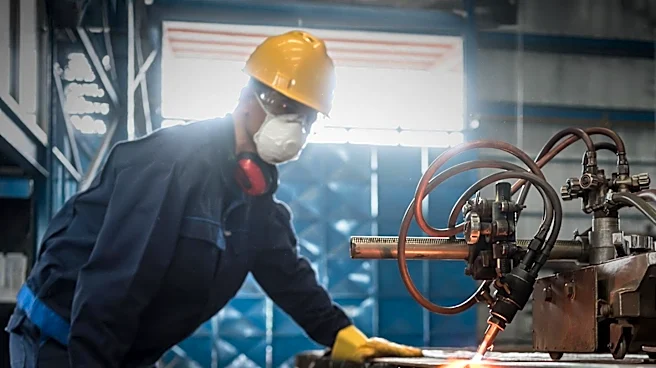
U.S. employers are being urged to prioritize comprehensive workplace safety training for their employees. This includes instructing workers on proper safety protocols, such as lifting techniques and handling
hazardous materials, and providing periodic refresher training. Beyond initial instruction, businesses are advised to implement written emergency procedures, ensuring all employees are familiar with them and that they are prominently displayed. The importance of outfitting employees with appropriate safety gear and considering ergonomic furniture and equipment, particularly for office workers, is also highlighted. These measures aim to prevent injuries like back pain, carpal tunnel, and vision issues, which can arise from prolonged desk work. Developing a strong safety culture is presented as a critical step for businesses.
Why It's Important?
Implementing robust workplace safety measures is crucial for U.S. businesses for several reasons. Primarily, it protects employees and customers from injuries, fostering a safer work environment. From a financial perspective, fewer workers' compensation claims directly translate to lower insurance rates for employers, saving money. Increased employee retention and higher productivity are also significant benefits, as a safe workplace contributes to employee well-being and morale. For office environments, addressing ergonomic needs can prevent common ailments, reducing healthcare costs and lost workdays. Adherence to safety standards, such as those set by the Occupational Safety and Health Administration (OSHA), is a baseline, but proactive safety initiatives can significantly enhance a company's operational efficiency and financial health.
What's Next?
Employers are encouraged to conduct immediate assessments of their current workplace safety practices to identify areas for improvement. This involves reviewing existing training programs, emergency plans, and equipment provisions. Regular safety audits and employee feedback mechanisms can help ensure that safety protocols remain effective and relevant. Businesses should also stay informed about evolving safety standards and technological advancements that can enhance workplace safety. Continuous investment in training and ergonomic solutions will be key to maintaining a safe and productive workforce, ultimately leading to reduced liabilities and improved business outcomes.
Beyond the Headlines
The emphasis on workplace safety extends beyond mere compliance; it reflects a growing recognition of the intrinsic link between employee well-being and business success. A culture of safety can significantly impact employee trust and loyalty, fostering a more engaged and committed workforce. This proactive approach to safety can also serve as a competitive advantage, attracting top talent who prioritize a secure work environment. Furthermore, by minimizing accidents and injuries, businesses contribute to the broader public health system by reducing the burden on emergency services and healthcare providers. The long-term societal impact includes a healthier, more productive workforce and a reduction in the indirect costs associated with workplace incidents.