

What's Happening?
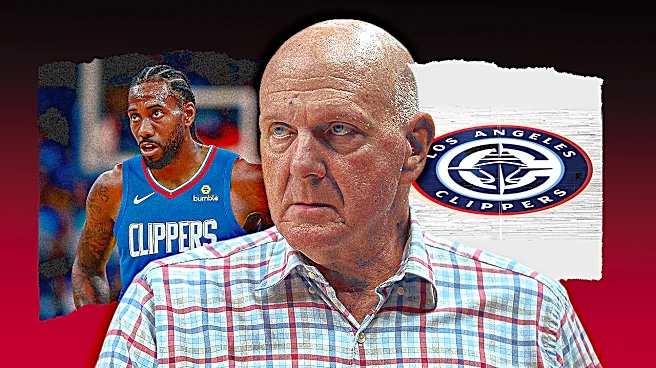
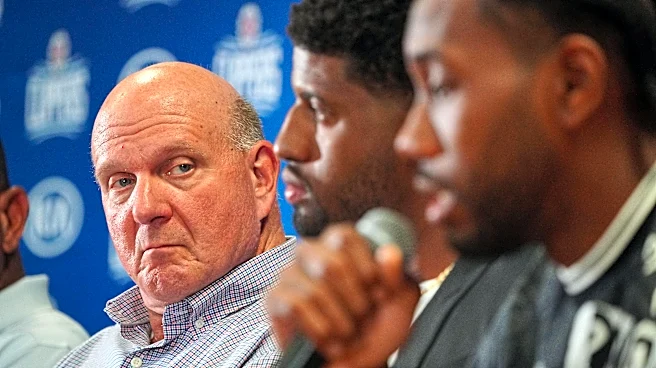
The NBA has issued significant penalties against the Los Angeles Clippers for violating salary cap circumvention rules following a nearly yearlong investigation. The punishment includes a one-year suspension for owner Steve Ballmer, a $30 million fine
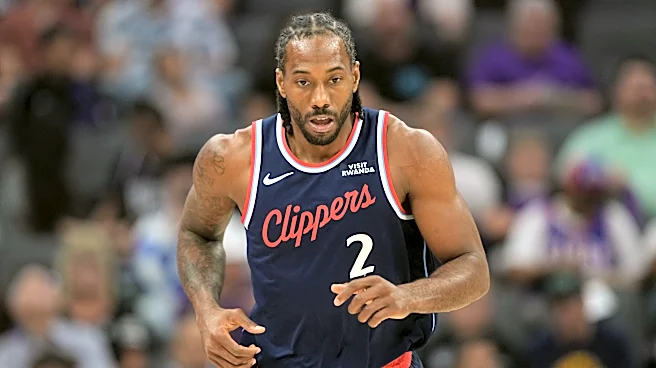
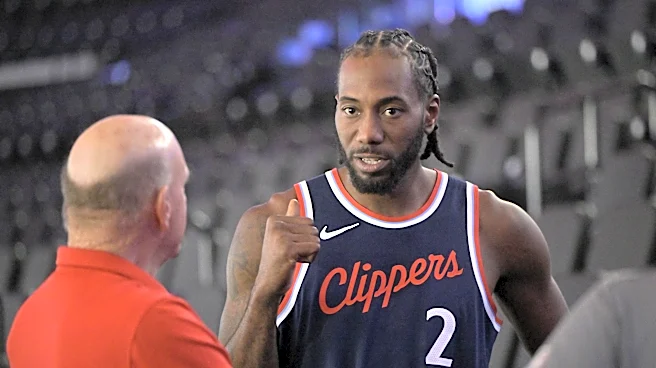
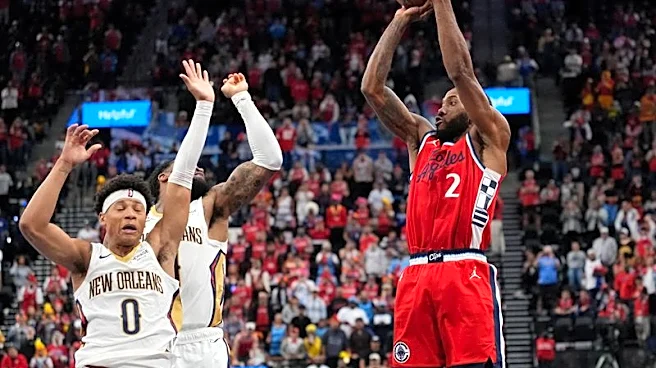
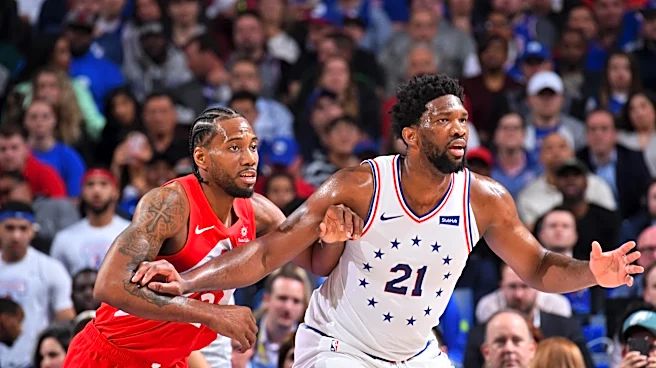
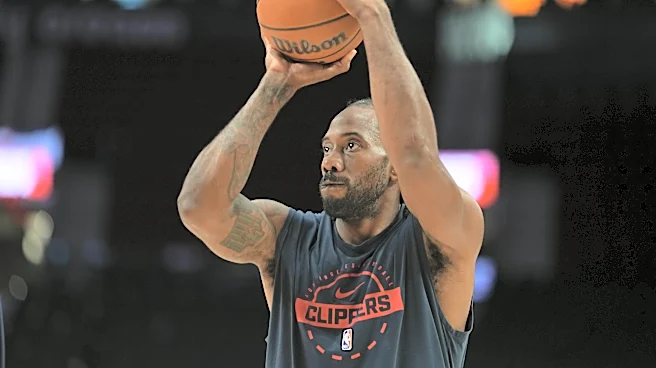
for the team, and the forfeiture of five first-round draft picks (one in each draft from 2029-2033). Additionally, two-time NBA Finals MVP Kawhi Leonard received a $700,000 penalty, president of basketball operations Lawrence Frank was banned for six months, and team president of business operations Gillian Zucker was suspended for one year. The league's investigation focused on a $28 million endorsement contract between Leonard and Aspiration Fund Adviser LLC, a company that later filed for bankruptcy. The NBA stated that Leonard, through his former business manager and uncle Dennis Robertson, pressured the Clippers to secure off-court income opportunities and failed to reimburse the team for personal expenses. Ballmer was found to have knowingly assisted Leonard in obtaining these off-court deals and approved a business arrangement he knew was a precondition for the endorsement contract. The Clippers have vehemently rejected the NBA's findings, calling the investigation biased and vowing to challenge the penalties.
Why It's Important?
This ruling sets a significant precedent for how the NBA enforces its salary cap and circumvention rules, particularly concerning player endorsements and team involvement in securing such deals. The severity of the penalties, including the suspension of a team owner and the forfeiture of multiple draft picks, underscores the league's commitment to maintaining competitive balance and integrity. For the Clippers, these sanctions will have a substantial impact on their future roster construction and financial operations. The loss of five first-round draft picks severely limits their ability to acquire young talent through the draft for an extended period, potentially hindering their long-term competitiveness. The suspensions of key executives like Lawrence Frank and Gillian Zucker will also disrupt the team's basketball and business operations. This case highlights the intricate relationship between player contracts, endorsements, and team compliance, signaling to other franchises the serious consequences of attempting to bypass league regulations. The public dispute between the NBA and the Clippers also raises questions about the transparency and fairness of league investigations, potentially leading to further scrutiny of such processes in the future.
What's Next?
The Los Angeles Clippers intend to vigorously challenge the NBA's findings and penalties through every available avenue, including an arbitration process. This indicates a prolonged legal battle between the team and the league, which could potentially alter or reduce the imposed sanctions. The league and the players' union have agreed that the penalties are final and binding, but the Clippers' challenge suggests they believe there are grounds for appeal. The NBA has also stated that its outside law firm continues to receive information related to the investigation and will consider further action as appropriate, implying that additional penalties or adjustments could still occur. Kawhi Leonard's trade to the Toronto Raptors, which was on hold pending the investigation's outcome, is now expected to proceed, with Leonard expressing his focus on returning to Toronto. The compliance and monitoring program imposed on the Clippers for five years will ensure ongoing scrutiny of their operations, and Dennis Robertson, Leonard's former business manager, has been banned from doing business with NBA teams for five years.
Beyond the Headlines
This case delves into the complex ethical and legal landscape surrounding professional sports contracts and endorsements. The NBA's assertion that team personnel facilitated impermissible endorsement arrangements and that the owner knowingly participated raises questions about the boundaries of team involvement in players' off-court financial dealings. The Clippers' defense, claiming that no league rule prohibited team personnel from making introductions to sponsors and vendors in response to player requests, highlights a potential gray area in existing regulations or their interpretation. Furthermore, the involvement of Aspiration Fund Adviser LLC, whose co-founder was later sentenced for fraud, adds a layer of complexity, with the Clippers arguing that owner Steve Ballmer was a victim of fraud, not a participant in circumvention. This situation could prompt the NBA to review and potentially clarify its rules regarding player endorsements, team-facilitated deals, and the responsibilities of team ownership and management in ensuring compliance. The outcome of the Clippers' challenge could also influence how future investigations are conducted and how teams and players navigate the increasingly lucrative and intricate world of sports endorsements.