
What's Happening?
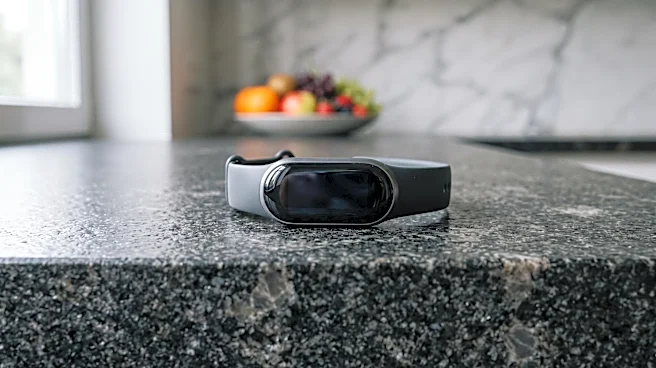
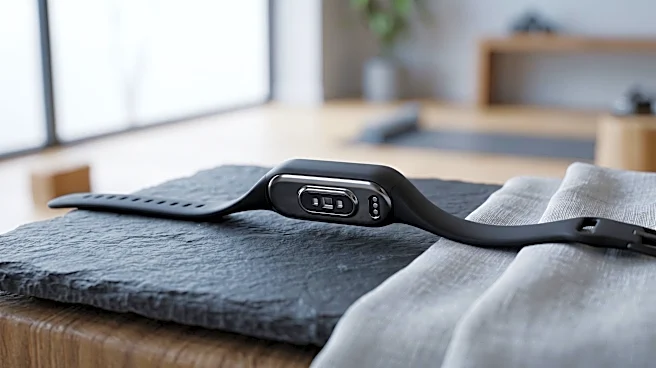
Suunto has released the Race 3S, a new fitness tracker succeeding the Race S model. This latest iteration features significant hardware enhancements, including a titanium bezel, a sapphire crystal lens,
and a brighter 1.32-inch AMOLED display. It also incorporates a new optical heart rate sensor, a faster processor, and 64GB of storage. The device boasts up to 38 hours of dual-band GPS battery life and weighs 56g with the strap. The Race 3S is available globally, priced at $599 in the U.S. This represents a substantial price increase compared to its predecessor, the Race S, which launched at $349. The new model is even more expensive than the full-size Race 2, which was priced at $499 upon its release. While offering basic smart features like notifications and offline music playback, it lacks NFC payments or music streaming. A new Race Planner feature is anticipated in a future update.
Why It's Important?
The launch of the Suunto Race 3S at a significantly higher price point impacts the competitive landscape of the U.S. fitness tracker market. By increasing its price to $599, Suunto is positioning the Race 3S closer to premium brands like Garmin, moving away from its traditional role as a more budget-friendly alternative. This shift means the device will be judged against a tougher standard, competing with established players that often offer more comprehensive smart features. Consumers in the U.S. seeking advanced fitness tracking capabilities will now weigh the Race 3S against rivals like the Coros Pace 4 Pro, which offers a larger screen and longer battery life at a lower price point of $449. This pricing strategy could make the Race 3S a harder sell for value-conscious consumers, potentially ceding market share to competitors that provide similar or superior features at a more attractive cost. The absence of features like NFC payments, common in many smartwatches, further limits its appeal in a market where integrated functionalities are increasingly expected.
What's Next?
The Suunto Race 3S will face direct competition from more affordable and feature-rich alternatives in the U.S. market, such as the Coros Pace 4 Pro. Its higher price point may necessitate strategic marketing and potential price adjustments, especially during sales events like Black Friday, to attract consumers. Suunto's planned Race Planner feature, once released, could add value and differentiate the product, but its absence at launch means the device currently relies solely on its hardware upgrades. The company will need to address the user interface's learning curve and the inability to customize default sports modes to improve user experience. The market will observe whether the hardware improvements alone are sufficient to justify the increased cost and maintain Suunto's competitive standing against rivals offering more integrated smart features and better value.
Beyond the Headlines
The pricing strategy for the Suunto Race 3S reflects a broader trend in the wearable technology market where brands are attempting to elevate their product lines into premium segments. This move can be seen as an effort to capture a higher-margin customer base, but it also carries the risk of alienating traditional customers who valued Suunto for its balance of performance and affordability. The emphasis on robust build quality and advanced tracking, while neglecting common smartwatch features like NFC payments, highlights a strategic choice to prioritize athletic functionality over general utility. This could appeal to a niche segment of serious athletes but might limit broader market adoption. The success of this strategy will depend on how U.S. consumers perceive the value proposition of specialized fitness tools versus versatile smartwatches, potentially influencing future product development and pricing across the industry.