




What's Happening?
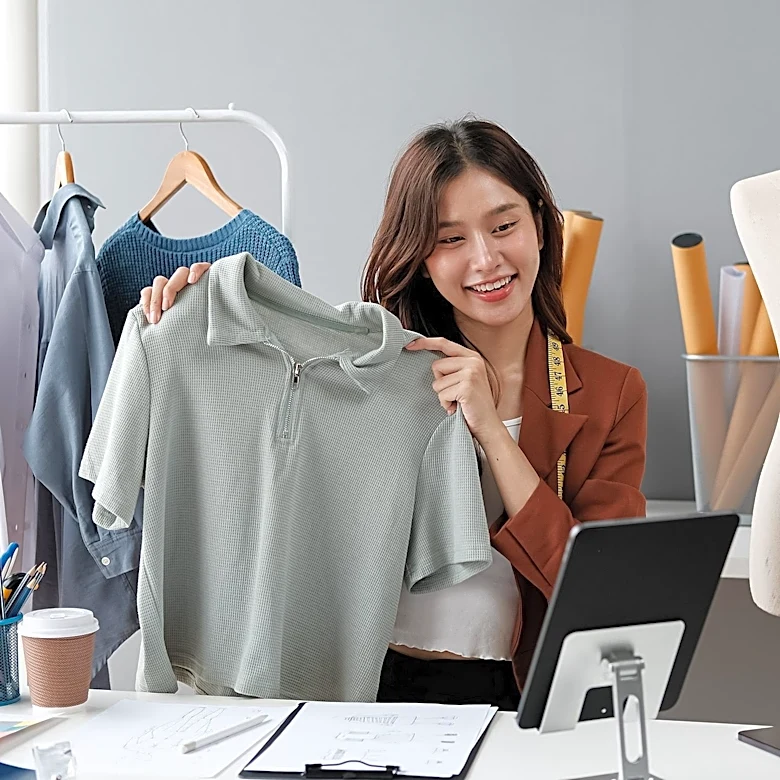
Fashion experts are emphasizing the importance of building a wardrobe around timeless essentials and understanding personal style, rather than solely chasing current trends. The advice suggests that a thoughtful approach to shopping can lead to smarter
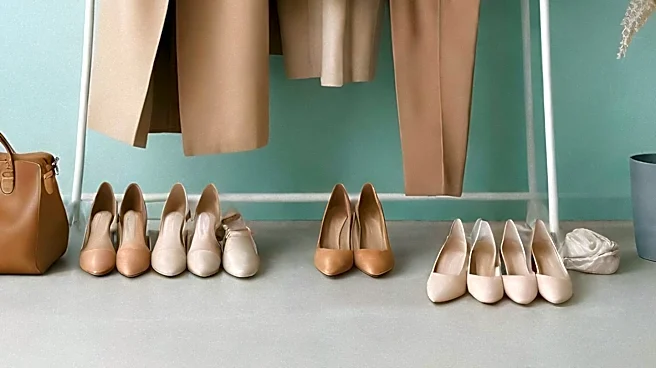
choices, reduced unnecessary spending, and a wardrobe that genuinely reflects an individual's personality. Key recommendations include starting with versatile pieces like white shirts, well-fitted jeans, and neutral-colored items that can be mixed and matched. Understanding one's daily routine, workplace, hobbies, and social activities is crucial for determining appropriate clothing types. The focus is on selecting garments that fit well, are comfortable, and are made from quality fabrics such as cotton, linen, wool, and durable denim. This approach aims to create stylish outfits while staying within budget and avoiding clutter, ensuring that new items integrate seamlessly with existing wardrobe pieces.
Why It's Important?
This shift in fashion advice is significant for consumers as it promotes sustainable and economical wardrobe building. By prioritizing timeless pieces and personal style, individuals can avoid the constant pressure and expense of keeping up with rapidly changing trends. This approach encourages mindful consumption, leading to fewer impulse purchases and a more cohesive wardrobe that offers longevity and versatility. For the fashion industry, this emphasis could signal a move towards more classic, durable designs and away from fast fashion cycles, potentially impacting production and marketing strategies. Consumers stand to gain by developing a stronger sense of personal style and confidence, as clothing choices become more intentional and less dictated by external influences. It also highlights the value of investing in quality over quantity, which can lead to long-term savings and a more functional wardrobe.
What's Next?
Consumers are likely to increasingly adopt these principles, focusing on building foundational wardrobes with versatile, high-quality items. This could lead to a greater demand for classic styles and durable fabrics, influencing fashion retailers to adjust their offerings. We may see a continued rise in the popularity of capsule wardrobes and minimalist fashion philosophies. Fashion brands might respond by emphasizing the longevity and versatility of their products, potentially shifting marketing narratives from trend-driven to style-driven. Additionally, the resale market for quality, pre-owned classic pieces could see further growth as individuals seek to invest in enduring fashion. Educational content around personal styling and sustainable fashion choices is also expected to become more prevalent, guiding consumers in making informed decisions.
Beyond the Headlines
The emphasis on timeless style and personal expression over fleeting trends reflects a broader cultural shift towards authenticity and sustainability. This movement challenges the consumerist cycle of constant newness promoted by fast fashion, encouraging individuals to develop a more conscious relationship with their clothing. Ethically, it supports reducing textile waste and promoting more responsible manufacturing practices. Legally, while not directly impacting legislation, it could indirectly influence consumer protection discussions around product durability and marketing claims. Culturally, it fosters a sense of individuality and self-awareness, moving away from a uniform adherence to popular trends. This long-term shift could redefine what it means to be 'fashionable,' valuing personal comfort, confidence, and thoughtful consumption above all else.