







What's Happening?
A simple, two-ingredient method using baking soda and white vinegar can effectively restore yellowed pillowcases to their original bright white. Pillowcases often turn yellow due to the accumulation of sweat, body oils, saliva, and skincare products over
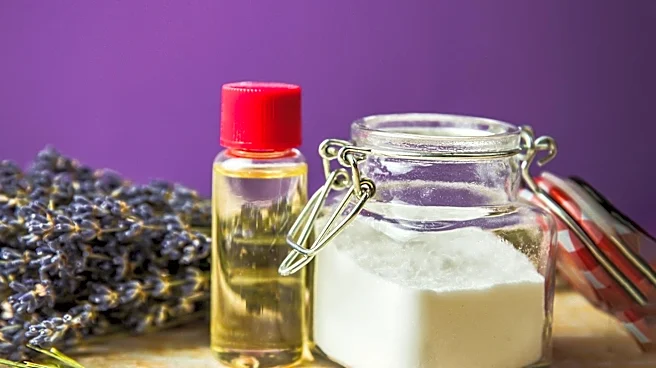
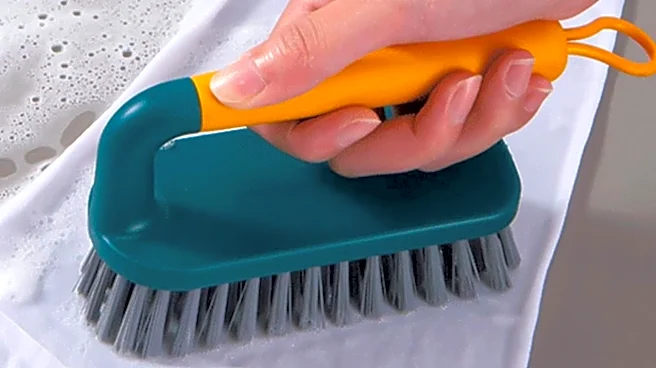
time. Laundry and sleep experts, including Rechelle Balanzat, Founder and CEO of Juliette, an NYC-based premium laundry service, confirm that this yellowing is a common issue. The recommended process involves soaking washable cotton pillowcases in warm or hot water with about half a cup of baking soda for 30 minutes, followed by a thorough rinse. After rinsing, the pillowcases should be washed as usual, with the option to add a cup of distilled white vinegar to the rinse cycle. Experts caution against mixing baking soda and vinegar directly, as they can neutralize each other, and advise against drying stained pillowcases with heat, which can set the stains.
Why It's Important?
This cleaning method is important for several reasons, impacting household maintenance, sustainability, and personal well-being. Firstly, it offers a cost-effective and natural alternative to harsh chemical bleaches, promoting a more eco-friendly approach to laundry. This aligns with growing consumer demand for sustainable and non-toxic household solutions. Secondly, by effectively restoring pillowcases, it extends their lifespan, reducing textile waste and the need for frequent replacements, which has economic and environmental benefits. From a health perspective, regularly cleaning pillowcases helps remove allergens, bacteria, and product buildup, contributing to better sleep hygiene and potentially reducing skin irritations. The simplicity and accessibility of the ingredients mean that almost anyone can implement this solution, making it a practical and impactful tip for maintaining a clean and healthy home environment.
What's Next?
As awareness of this effective and natural cleaning method grows, it is likely to be adopted by more households seeking sustainable and cost-effective laundry solutions. This could lead to an increased demand for baking soda and white vinegar as cleaning agents, potentially influencing product packaging and marketing in the household goods sector. Educational content from home and lifestyle brands, as well as cleaning experts, may further promote this and similar natural cleaning hacks. Consumers might also become more conscious of the care labels on their bedding and the importance of regular washing to prevent yellowing. In the long term, this trend could contribute to a broader shift towards natural and DIY cleaning solutions, reducing reliance on conventional chemical-based products and fostering more environmentally friendly household practices.
Beyond the Headlines
The simple act of whitening pillowcases with baking soda and vinegar touches upon deeper themes of consumer empowerment, resourcefulness, and the re-evaluation of traditional household practices. In an era dominated by specialized cleaning products, rediscovering effective, natural remedies highlights a desire for simplicity and control over household chemicals. This trend can be seen as part of a larger movement towards self-sufficiency and sustainable living, where consumers are increasingly seeking to reduce their environmental footprint and minimize exposure to synthetic substances. Ethically, promoting such methods encourages responsible consumption and challenges the throwaway culture by extending the life of textiles. Culturally, it revives a form of domestic knowledge that prioritizes natural ingredients, connecting modern households with time-tested practices and fostering a greater appreciation for the efficacy of common pantry staples in maintaining a clean and healthy home.