








What's Happening?
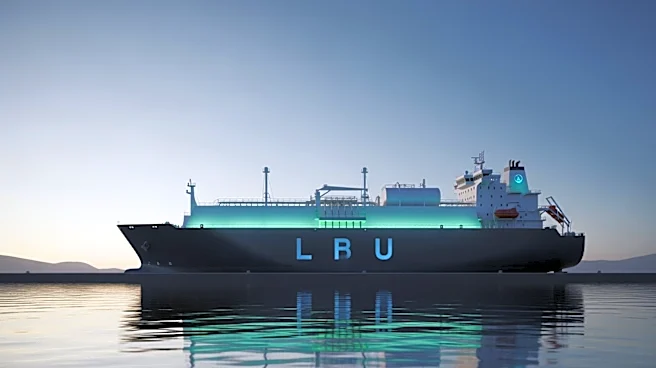
BHP, a leading mining company, in collaboration with the Global Centre for Maritime Decarbonisation (GCMD), has initiated a pilot project to test a biodiesel blend made from used cooking oil (UCO) and waste animal fats on a BHP-chartered bulk carrier.
This initiative aims to assess the feasibility of using biofuels from multiple feedstocks under real-world conditions, utilizing existing UCO bunkering infrastructure. The pilot is being conducted on the bulk carrier 'Berge Lyngor,' which is transporting BHP iron ore from Western Australia to China. The biodiesel blend, comprising 50% tallow-derived biodiesel and 50% UCOME, has the potential to reduce greenhouse gas emissions by approximately 79% per voyage compared to traditional very low sulphur fuel oil (VLSFO). The project is co-funded by the Maritime and Port Authority of Singapore under the Maritime Innovation and Technology Fund.
Why It's Important?
This pilot project is significant as it represents a step towards reducing the carbon footprint of the maritime shipping industry, which is a major contributor to global greenhouse gas emissions. By exploring alternative fuels like biodiesel, BHP and GCMD are addressing the urgent need for sustainable marine fuel solutions. The success of this pilot could lead to broader adoption of biofuels in the shipping industry, potentially reducing reliance on fossil fuels and decreasing overall emissions. This initiative also highlights the importance of innovation and collaboration in tackling environmental challenges, setting a precedent for other industries to follow.
What's Next?
If successful, the pilot could pave the way for increased investment in biofuel infrastructure and technology, encouraging other companies to adopt similar sustainable practices. The results of the pilot will provide valuable insights into the challenges and opportunities associated with biofuel use in maritime shipping, potentially influencing future regulatory frameworks and industry standards. Stakeholders, including environmental groups and industry leaders, will likely monitor the outcomes closely, as they could impact future policy decisions and investment strategies in the maritime sector.
Beyond the Headlines
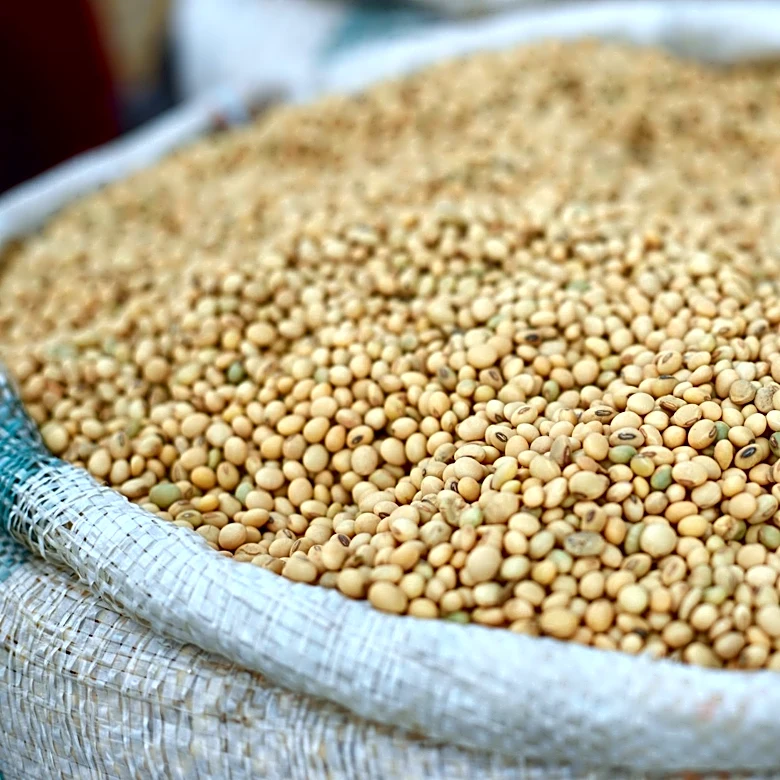
The pilot project also raises questions about the sustainability and scalability of biofuels, particularly concerning the availability of feedstocks like UCO and waste animal fats. As demand for biofuels increases, there may be challenges related to sourcing sufficient quantities of these materials without impacting food supply chains. Additionally, the project underscores the need for continued research and development in alternative fuels to ensure they are both environmentally and economically viable in the long term.