







What's Happening?
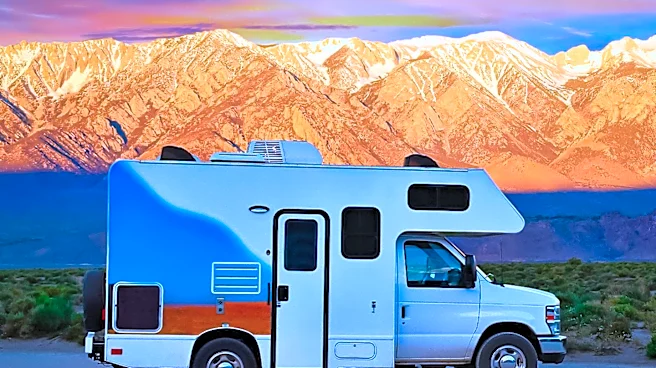
Jamie and Keith Ochoa, empty nesters from Virginia, have transitioned to a full-time travel lifestyle, exploring the U.S. by renting properties long-term on Airbnb. After their youngest daughter went to college, the couple initially planned to live in an RV
but opted for Airbnb rentals for greater comfort. They began by establishing Tennessee residency in a small apartment, traveling for three months at a time, and returning for one month. They have since downsized to a storage unit for heirlooms and seasonal clothing, visiting it every six months for medical appointments. The Ochoas spend approximately $5,000 monthly on rentals, which is comparable to their previous home expenses including mortgage, utilities, taxes, HOA fees, and maintenance. This year alone, they have lived in Wisconsin, Iowa, South Dakota, and Louisiana, typically staying in each location for six weeks to fully experience it without becoming bored. Jamie Ochoa, a retired teacher, dedicates time to researching communities and amenities, considering it her 'full-time job' to find suitable and affordable destinations.
Why It's Important?
This trend highlights a growing shift in retirement and post-parental lifestyles, moving away from traditional homeownership towards flexible, experience-driven living. The Ochoas' ability to maintain their lifestyle at a cost equivalent to their previous home expenses demonstrates that such a nomadic existence can be financially viable for some, potentially influencing other empty nesters to consider similar paths. Their approach also showcases the increasing role of platforms like Airbnb in facilitating long-term, non-traditional housing solutions, impacting the rental market and local economies in various U.S. destinations. The emphasis on affordability and meticulous research by Jamie Ochoa underscores the practical considerations and planning required for this lifestyle, offering a model for others contemplating a similar transition. This movement could also contribute to a more distributed tourism economy, benefiting smaller towns and less conventional destinations as travelers seek diverse experiences across the country.
What's Next?
The Ochoas plan to continue their travels, dedicating about 40% of their time to visiting family members across the U.S., with the remaining time spent exploring new destinations of their choice. Jamie Ochoa will likely continue documenting their experiences and sharing budgeting and planning tips on TikTok, where she has amassed a significant following. This ongoing sharing could further inspire and guide others interested in the digital nomad or full-time travel lifestyle. The couple's journey may also influence the development of more tailored services and accommodations for long-term travelers and empty nesters, as the market adapts to these evolving consumer preferences. As more individuals adopt this lifestyle, there could be increased demand for flexible rental agreements, community-focused travel resources, and financial planning services designed for mobile living.
Beyond the Headlines
The Ochoas' story reflects a broader cultural shift towards valuing experiences over possessions and a redefinition of 'home' in the digital age. Their decision to trade a fixed residence for continuous travel challenges conventional notions of retirement and stability. This lifestyle, enabled by remote work capabilities and platforms like Airbnb, suggests a growing desire for personal freedom and exploration among older demographics. It also raises questions about community building and social connections for individuals who are constantly on the move. While offering immense flexibility, the nomadic lifestyle requires significant adaptability, meticulous planning, and a willingness to embrace constant change. The ethical implications for local communities, such as potential impacts on housing availability and cost due to increased short-term rentals, are also a consideration as this trend gains momentum.