






What's Happening?
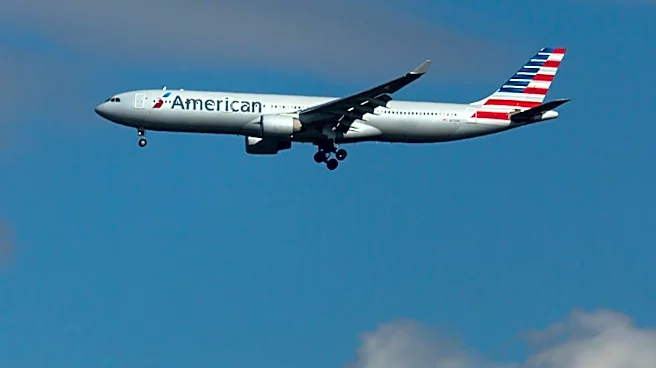
American Airlines is approaching a critical decision regarding its widebody aircraft fleet. The airline has indicated that the choice between Boeing and Airbus for its next generation of widebody planes could go either way, suggesting a highly competitive
bidding process. This decision is significant for both aircraft manufacturers, as securing a major order from American Airlines would represent a substantial win in the commercial aviation market. The airline's evaluation process is reportedly thorough, with both Boeing and Airbus presenting compelling offers to meet American Airlines' operational and strategic needs. The outcome will influence the future composition of American Airlines' long-haul fleet and potentially set a precedent for other airlines considering similar fleet modernizations.
Why It's Important?
This fleet decision by American Airlines holds considerable importance for the U.S. aviation industry and the global aerospace market. For Boeing, a U.S.-based manufacturer, securing this order would provide a significant boost, especially as it navigates various challenges and seeks to maintain its market share against European rival Airbus. A large order could translate into job creation and economic benefits within the U.S. supply chain. Conversely, if Airbus secures the order, it would further solidify its position in the North American market, potentially impacting Boeing's long-term dominance. For American Airlines, the decision will shape its operational efficiency, fuel consumption, and passenger experience for decades, directly affecting its competitiveness and profitability in the highly contested airline industry. The choice will also reflect the current state of aircraft technology and the strategic priorities of major carriers.
What's Next?
American Airlines is expected to announce its widebody fleet decision in the near future, following its comprehensive evaluation of proposals from Boeing and Airbus. Once the decision is made, the airline will likely proceed with formalizing the order, which will involve detailed negotiations on delivery schedules, customization, and financing. The chosen manufacturer will then begin the production process, with the first deliveries anticipated in the coming years. This announcement will be closely watched by investors, industry analysts, and competitors, as it will provide insights into American Airlines' long-term growth strategy and the competitive landscape between the two dominant aircraft manufacturers. The decision could also influence other airlines' procurement strategies, potentially triggering a ripple effect in the market.
Beyond the Headlines
Beyond the immediate financial and operational implications, American Airlines' widebody fleet decision reflects broader trends in the aviation industry, including the ongoing competition between Boeing and Airbus, advancements in aircraft technology, and airlines' focus on sustainability. The choice of aircraft will impact the airline's carbon footprint and its ability to meet evolving environmental regulations. Furthermore, the decision highlights the strategic importance of fleet commonality and the balance between acquiring the most advanced aircraft and maintaining operational simplicity. The outcome could also signal shifts in the perceived strengths and weaknesses of Boeing's and Airbus's widebody offerings, influencing future aircraft development and market positioning for both manufacturers.