





What's Happening?
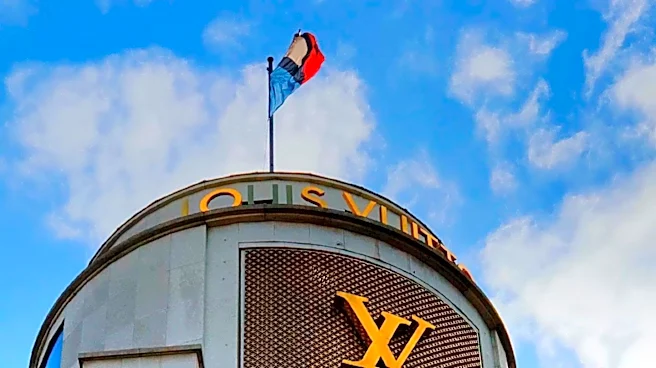
LVMH Moët Hennessy Louis Vuitton SE, headquartered in Paris, is the world's largest luxury goods conglomerate by revenue. The company operates over 75 brands across six divisions, including fashion and leather goods, wines and spirits, perfumes and cosmetics,
watches and jewelry, selective retailing, and other activities. Formed in 1987 through the merger of Louis Vuitton and Moët Hennessy, LVMH has expanded under the Arnault family's leadership. Its fashion division, featuring brands like Louis Vuitton, Christian Dior, and Givenchy, is the most profitable. LVMH's acquisition of Tiffany & Co. in 2021 for $15.8 billion marked one of the largest transactions in luxury goods history.
Why It's Important?
LVMH's business model, which focuses on preserving brand heritage while achieving scale, serves as a template for multi-brand luxury conglomerates. The company's success in integrating diverse brands under a unified corporate structure has set industry standards. LVMH's influence extends globally, impacting luxury market trends, consumer preferences, and competitive strategies. Its ability to maintain brand exclusivity while leveraging shared resources highlights a strategic advantage that competitors like Kering and Richemont seek to emulate.