






What's Happening?
Pella Corporation is enhancing career opportunities for its team members by integrating automation, data, and digital tools into its manufacturing processes, a strategy it calls 'Intelligent Operations.' This model brings together manufacturing, engineering,
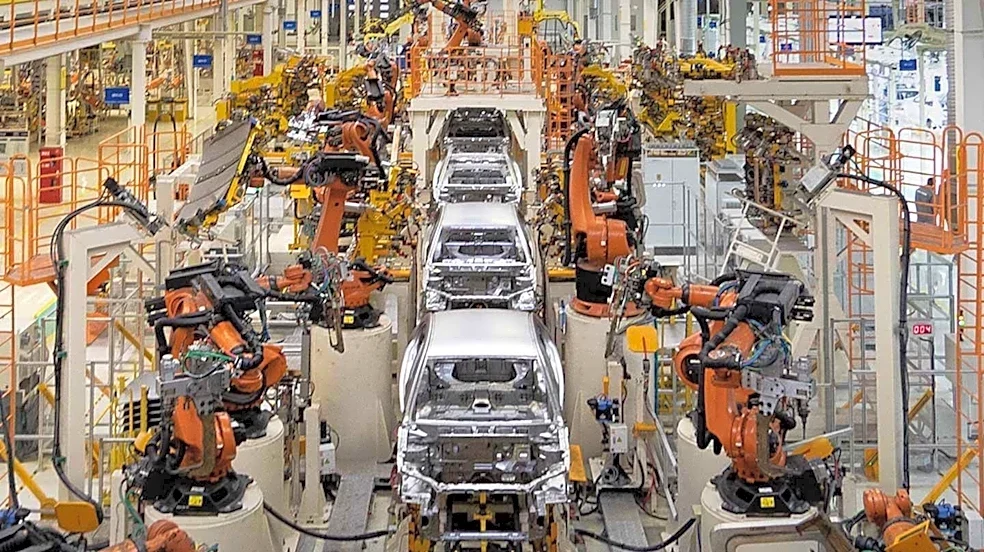
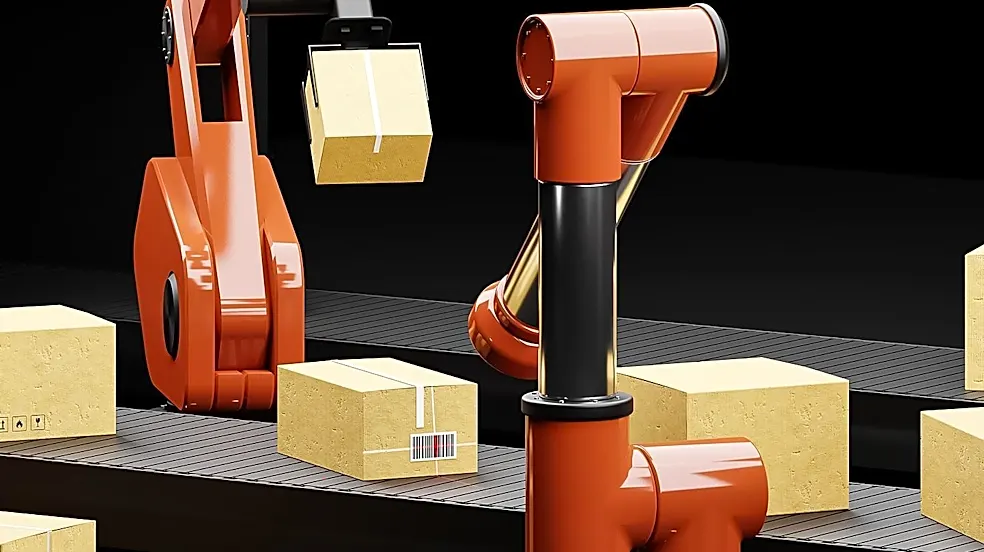
and technology teams to address factory-floor challenges and implement scalable solutions. The company, which manufactures made-to-order windows and doors with numerous customization options, is connecting previously disparate technologies to ensure automation, data, and digital tools work cohesively alongside human employees. Examples of this integration include the deployment of 35 automated guided vehicles (AGVs) across four production lines, which has reduced material-handling damage by approximately 80%. Additionally, robotic painting systems can adjust to over 11,000 custom colors and 300+ product profiles, automating physically demanding tasks. Connected digital tools, such as voice-guided work and computer vision, ensure instructions and quality checks follow specific products through manufacturing, while custom workstations adjust to individual team members' preferences and route products efficiently.
Why It's Important?
This initiative is significant as it addresses the evolving landscape of manufacturing, where technological advancements are reshaping job roles and skill requirements. By investing in development pathways, job shadowing, training, and leadership experiences, Pella Corporation is proactively preparing its workforce for increasingly technical manufacturing careers. This approach not only supports employee growth but also enhances the company's ability to maintain high quality and customization in its made-to-order products. The reduction in manual, repetitive, and physically demanding tasks through automation can lead to improved employee satisfaction and safety. Furthermore, by optimizing production processes and reducing material damage, the company can achieve greater efficiency and deliver enhanced value to its customers, reinforcing its competitive position in the market for windows and doors.
What's Next?
Pella Corporation plans to continue investing in opportunities for its team members to adapt and grow with technological changes in its plants. This includes further development of job shadowing programs, specialized training, and leadership experiences to build new skills relevant to advanced manufacturing. The company will likely explore additional applications of connected technology, automation, and digital tools to further streamline operations, improve efficiency, and enhance product quality and customization. As the Intelligent Operations model matures, Pella may also share its best practices within the manufacturing industry, potentially influencing other companies to adopt similar strategies for workforce development and technological integration. The focus will remain on leveraging technology to manage complexity, allowing human expertise to concentrate on tasks requiring judgment and experience.
Beyond the Headlines
The shift towards Intelligent Operations at Pella Corporation highlights a broader trend in the manufacturing sector: the human-technology partnership. This model moves beyond simple automation to create an environment where technology augments human capabilities rather than replacing them entirely. It underscores the ethical imperative for companies to invest in reskilling and upskilling their workforce as industrial processes evolve. By reducing physical strain and repetitive tasks, Pella is not only improving operational efficiency but also fostering a more engaging and intellectually stimulating work environment. This approach could serve as a blueprint for other industries grappling with the impact of automation, demonstrating how technological adoption can be managed to create new, higher-skilled career paths and ensure a smoother transition for employees in a rapidly changing industrial landscape.