



What's Happening?
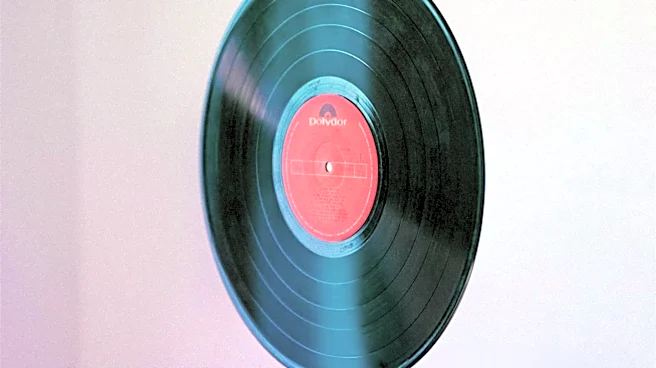
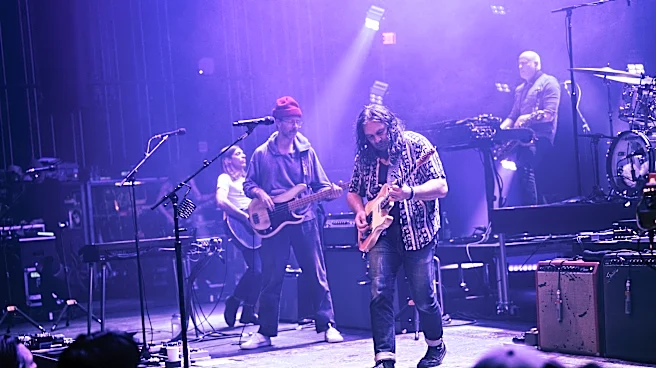
A music critic has reviewed Eidola's seventh album, 'The Will to Power,' expressing significant disappointment with its musical direction. The review criticizes the album for attempting to blend pop and metal genres without successfully committing to either,
a style the critic labels 'co-worker metal.' This approach is compared to other bands like Sleep Token and Bad Omens, which are seen as following a trend initiated by Bring Me the Horizon in the early 2010s. The critic argues that while Bring Me the Horizon's shift felt genuine, these newer artists appear to be riding on the coattails of past successes. Specific tracks like 'Damballah,' 'Purity Ladder,' 'Arethusa,' and 'Nothing Ever Happens' are highlighted for their perceived flaws, including 'embarrassing rap verses,' 'awful squeaky-clean falsetto chorus,' and 'obnoxious synths.' The review suggests that Eidola's previous albums also struggled with a lack of distinct sound, which 'The Will to Power' exacerbates.
Why It's Important?
This critique is important for the music industry, particularly within the metalcore and progressive metal scenes, as it reflects a growing sentiment among some critics regarding genre blending. The review highlights a potential saturation of bands attempting to fuse pop and metal elements, which could lead to a perceived lack of authenticity or innovation. For artists, it underscores the challenge of evolving their sound while maintaining critical acclaim and fan engagement. The 'co-worker metal' label, while pejorative, points to a broader discussion about the commercialization and accessibility of heavy music, and whether efforts to broaden appeal dilute the genre's core identity. This perspective could influence how emerging bands approach their sound and how established acts are perceived when experimenting with new styles, potentially impacting album sales, tour attendance, and critical reception within a competitive market.
What's Next?
The critical reception of 'The Will to Power' could influence Eidola's future musical direction and how they are perceived by both critics and their fanbase. Bands operating in similar blended genres, such as Sleep Token and Bad Omens, might also face increased scrutiny regarding the authenticity and originality of their sound. This review could spark further debate within music communities about the merits and pitfalls of genre fusion, potentially leading to more polarized opinions on albums that attempt to bridge pop and metal. For listeners, it may encourage a more discerning approach to new releases in these genres, prompting them to evaluate whether a band successfully integrates diverse influences or merely creates a 'mélange' without conviction. The ongoing discussion could also shape the discourse around music production, particularly concerning the use of pitch-correction and other studio techniques in metal-adjacent genres.
Beyond the Headlines
The review touches upon a deeper cultural shift in music consumption and creation, particularly the impact of platforms like TikTok, which prioritize short, catchy clips. This environment may inadvertently encourage artists to create music that appeals broadly and quickly, potentially at the expense of artistic depth or genre integrity. The critic's lament about the 'underappreciated purity to executing one style effectively' suggests a nostalgia for a time when genre boundaries were clearer and artists were less pressured to appeal to 'absolutely everyone.' This raises questions about the long-term health of niche genres like metalcore in an increasingly homogenized music landscape. The critique also implicitly questions the role of 'technical finesse' when it doesn't serve a cohesive artistic vision, suggesting that technical proficiency alone is insufficient for creating compelling music. This broader implication extends beyond Eidola, prompting reflection on the balance between innovation, tradition, and commercial viability in contemporary music.