


What's Happening?
Dandelion root is increasingly being recognized for its gentle, soothing botanical properties and is finding a meaningful place in modern DIY skincare routines. It is valued for its potential to support skin comfort, encourage healthy-looking skin, and serve
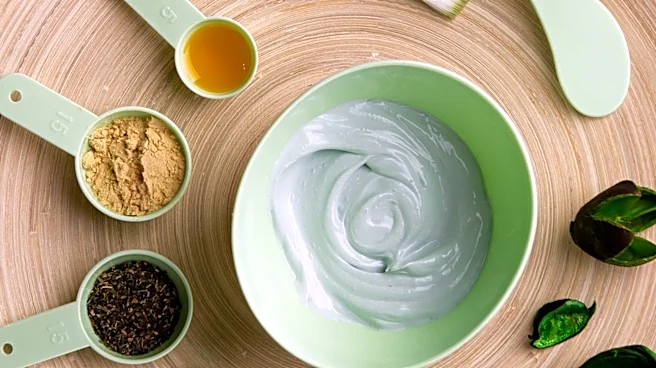
as a mild addition to botanical self-care rituals. Available as a dried herb, powder, tincture, or tea, dandelion root can be transformed into soothing infusions, toners, and masks. Infusions, made by steeping dried dandelion root in hot water, are suitable for facial toners or as liquid components in masks. Decoctions, which are stronger water-based extracts created by simmering the root, offer a more concentrated option. DIY recipes include facial toners and masks, often blended with ingredients like yogurt or clay. For water-based homemade formulas, understanding pH balance is crucial, as skin favors a slightly acidic environment (pH 4.5–5.5). Without commercial preservatives, these homemade products must be stored in the refrigerator and discarded within 5–7 days due to their susceptibility to spoilage.
Why It's Important?
The growing interest in dandelion root for DIY skincare reflects a broader trend in the U.S. towards natural, customizable, and transparent beauty solutions. This movement empowers consumers to take a more active role in their skincare, fostering a deeper understanding of ingredients and their effects. For the beauty industry, this trend could influence product development, leading to an increased demand for raw botanical ingredients and a focus on 'clean' and 'natural' formulations. It also highlights the importance of consumer education regarding ingredient safety, pH balance, and the necessity of preservatives for homemade products. The emphasis on short shelf-lives and refrigeration for DIY water-based products underscores the challenges and responsibilities associated with creating personal care items without commercial-grade stabilizers. This shift could also impact the market for traditional, mass-produced skincare by promoting a more mindful and ingredient-conscious approach among consumers.
What's Next?
Consumers engaging in DIY skincare with dandelion root are advised to always patch-test new formulations on a small area of skin to check for reactions. Quality sourcing of dandelion root, preferably organic or wildcrafted, is emphasized, with recommendations to check for freshness, clean handling, and clear labeling. For ready-made products, label literacy is crucial to understand the plant part, extraction method, and added substances. The trend suggests a continued demand for accessible, easy-to-use botanical ingredients for home beauty projects. This could lead to more educational resources from suppliers and beauty communities on safe formulation practices, including pH testing and natural preservation methods. The market may also see an increase in specialized tools and kits for DIY skincare, catering to this growing segment of informed consumers.
Beyond the Headlines
The integration of dandelion root into DIY skincare signifies a deeper connection between wellness, nature, and personal care. It challenges the conventional beauty industry's reliance on complex chemical formulations by promoting a return to simpler, plant-based ingredients. This movement also raises questions about sustainability and ethical sourcing of botanicals, as demand for natural ingredients grows. The practice of making one's own skincare can foster a sense of self-sufficiency and creativity, transforming routine into ritual. However, it also carries inherent risks related to contamination and improper formulation, underscoring the need for responsible education and clear guidelines. This trend could ultimately contribute to a more holistic view of beauty, where efficacy is balanced with natural origins and environmental consciousness.