









What's Happening?
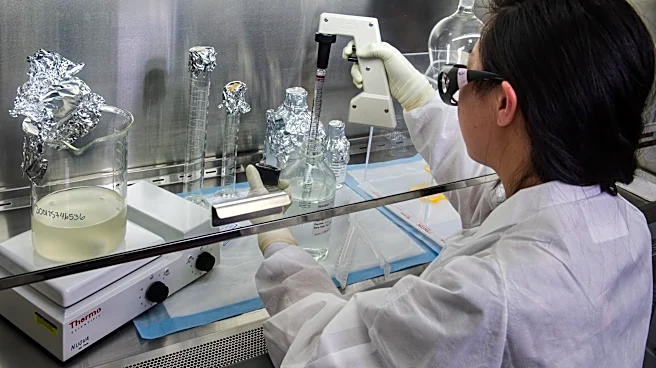
Recent industry trends indicate a growing demand for nitrosamine testing, driven by concerns over safety and performance quality in drug manufacturing. Nitrosamines, classified as probable human carcinogens, are formed unintentionally during drug production.
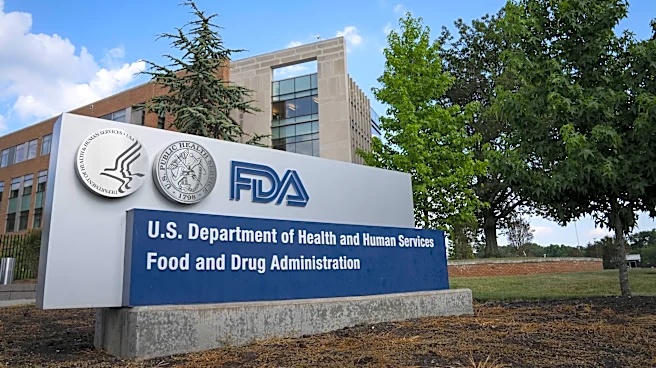
This has prompted biotech companies to seek more rigorous testing to comply with evolving regulatory standards. Samuel Garcia, a business development manager at AMSbiopharma, noted an increase in inquiries related to nitrosamines, highlighting the industry's focus on derisking safety. The FDA's recent guidance on acceptable intake limits for nitrosamines has further emphasized the need for comprehensive testing. Additionally, there is a shift towards in vitro release and permeation testing for topical products, as these methods are seen as cost-effective regulatory options. The demand for microbiome data is also rising, as it aids in identifying biological pathways and improving drug development processes.
Why It's Important?
The increased focus on nitrosamine testing reflects a broader industry trend towards ensuring drug safety and efficacy. As regulatory bodies like the FDA tighten guidelines, pharmaceutical companies are compelled to adopt more stringent testing protocols. This shift not only impacts drug manufacturers but also lab service providers, who are transitioning from mere test vendors to strategic partners in navigating regulatory landscapes. The emphasis on in vitro testing and microbiome data underscores the industry's move towards innovative, data-driven approaches to drug development. This trend could lead to safer pharmaceuticals and potentially reduce the risk of adverse health effects associated with nitrosamine exposure.
What's Next?
As the demand for nitrosamine testing continues to grow, lab service providers are likely to expand their capabilities and expertise in this area. Companies may invest in advanced testing technologies and collaborate with regulatory bodies to ensure compliance with evolving standards. The industry could also see increased collaboration between pharmaceutical companies and lab service providers to develop more effective testing methodologies. Additionally, the focus on microbiome data may lead to new insights into drug interactions and efficacy, potentially influencing future drug development strategies.