






What's Happening?
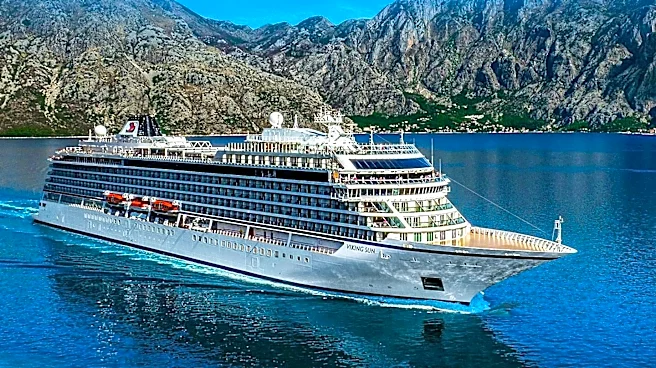
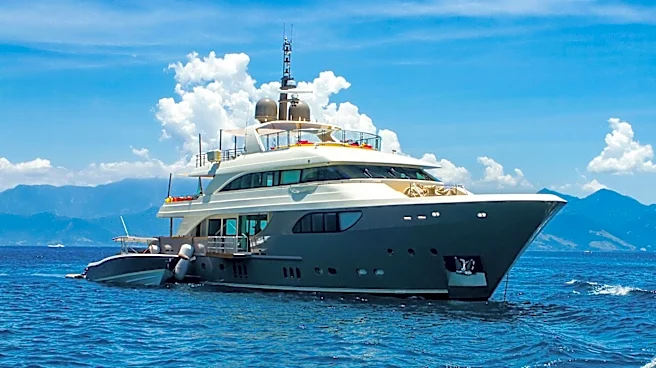
Luxury hospitality brands, including The Ritz-Carlton, Four Seasons, and Aman, are expanding their offerings into the 'luxury hotel at sea' sector. This new travel option aims to bridge the gap between traditional cruise liners and private yacht charters,
providing a blend of five-star service, design-led resort amenities, and the agility of smaller vessels. The Ritz-Carlton Yacht Collection, for instance, launched its first yacht, Evrima, in October 2022, following its announcement in 2017. These ventures promise intimate, experience-led voyages with personalized itineraries, distinguishing themselves from the strict schedules and large crowds often associated with conventional cruise ships. The focus is on delivering the intuitive service and trusted brand experience of a luxury hotel in a maritime setting, offering a unique travel proposition for discerning clients.
Why It's Important?
The emergence of luxury hotels at sea signifies a significant evolution in the high-end travel market, catering to a niche demand for exclusive, personalized, and flexible maritime experiences. This trend impacts the hospitality and tourism industries by creating a new segment that combines the best aspects of luxury resorts and private yachting. For consumers, it offers an alternative that avoids the logistical complexities and high costs of private charters while sidestepping the mass-market feel of large cruise lines. This expansion by established luxury brands like Ritz-Carlton, Four Seasons, and Aman also sets new benchmarks for service, design, and experiential travel on the water, potentially influencing future developments in both the cruise and luxury travel sectors. It represents a strategic move by these brands to diversify their portfolios and capture a growing market of affluent travelers seeking unique and curated journeys.
What's Next?
The success and expansion of these luxury yacht collections are likely to encourage further investment and innovation in the 'hotel at sea' concept. We can anticipate other high-end hospitality brands exploring similar ventures, leading to increased competition and a broader range of offerings in this nascent market. The focus will likely remain on delivering highly personalized services, unique itineraries, and exclusive access to destinations, further blurring the lines between traditional cruising, resort stays, and private yachting. Continued development of new vessels, enhanced onboard amenities, and bespoke experiences will be key to attracting and retaining clientele in this evolving luxury travel segment. The industry will also be watching how these brands manage the operational complexities and environmental considerations associated with maritime travel.
Beyond the Headlines
This trend reflects a broader shift in luxury consumption, where experiences and exclusivity are increasingly valued over material possessions. The 'luxury hotel at sea' concept taps into a desire for curated, intimate, and authentic travel that offers both comfort and adventure. It also highlights the adaptability of established luxury brands in responding to changing consumer preferences and market demands. The emphasis on design-led resorts and intuitive service extends the brand ethos of these hotels beyond land-based properties, creating a seamless luxury experience across different environments. Furthermore, these ventures could influence the design and service standards of the wider cruise industry, pushing for more personalized and high-quality offerings even in larger-scale operations, ultimately elevating the overall standard of maritime travel.