







What's Happening?
Documentary filmmakers are encountering substantial financial hurdles, with a 2025 survey by the Center for Media and Social Impact at American University revealing that 47% consider funding the biggest challenge. An additional 27% struggle to make a living
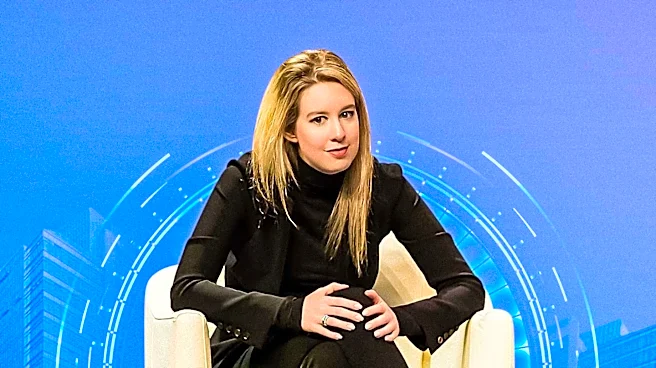
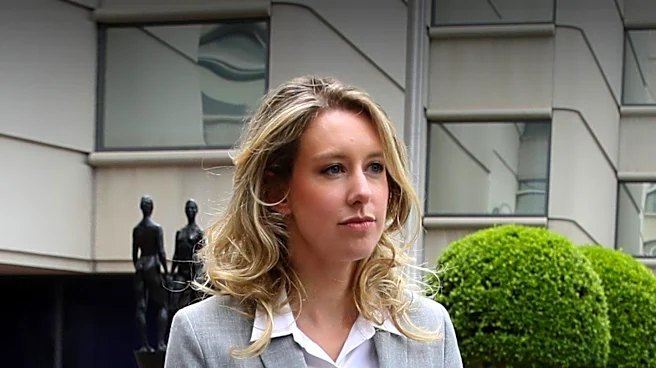
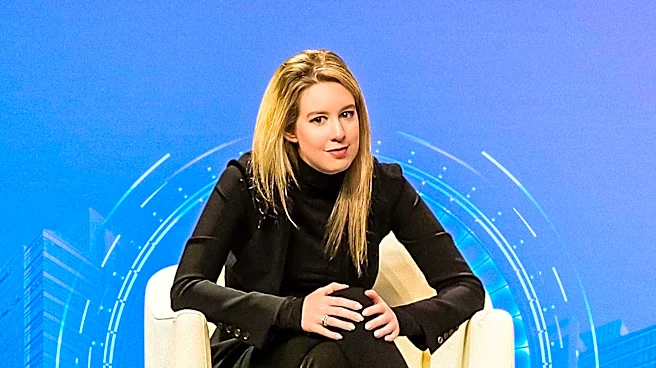
as documentarians. This comes despite recent successes in the genre, such as 'You Can See Everything,' a film about Elizabeth Holmes and Theranos, which achieved the largest opening weekend for a documentary since 'Fahrenheit 9/11' in 2004. Filmmaker Ankita Kumar, an award-winning documentarian, highlighted that the field generally does not attract significant investment, making it difficult to cover production costs for cinematographers, sound mixers, and other crew members. Kumar noted that her 32-minute film, 'Far From Home,' required $10,000 to $12,000, with her not taking any personal income from the project. Most of her funding came from grants, including from the Pulitzer Center and the American Institute of Afghanistan Studies.
Why It's Important?
The financial struggles faced by documentary filmmakers have significant implications for the diversity and depth of storytelling in the U.S. media landscape. The reliance on grants and personal sacrifices by filmmakers like Ankita Kumar means that many important stories, particularly those that may not appeal to mainstream investors, risk going untold or being produced with limited resources. This funding gap can lead to a less diverse range of perspectives and subjects being explored, potentially impacting public understanding of complex social, political, and cultural issues. The success of films like 'You Can See Everything' demonstrates audience appetite for documentaries, yet the disconnect between audience interest and financial backing suggests a systemic issue in how documentary projects are valued and supported within the broader entertainment and media industries. This situation could stifle emerging talent and limit the ability of independent filmmakers to compete with larger, more well-funded productions.
What's Next?
Addressing the funding challenges for documentary filmmakers will likely require a multi-faceted approach involving increased grant opportunities, new investment models, and greater public awareness of the value of independent documentary work. Organizations like the Pulitzer Center will continue to play a crucial role in supporting independent journalism and filmmaking. There may also be a push for more sustainable economic models within the industry, potentially through partnerships with streaming platforms or philanthropic initiatives aimed at fostering documentary production. The ongoing debate about editorial freedom versus financial stability for independent filmmakers will also continue, as many choose independence despite the financial strain. Future surveys and industry discussions will likely focus on innovative solutions to ensure that compelling and diverse stories can continue to be brought to audiences.
Beyond the Headlines
Beyond the immediate financial concerns, the struggle for documentary funding touches upon deeper issues of media independence and the role of storytelling in a democratic society. When filmmakers are heavily reliant on grants or personal funds, it can influence the types of stories that are told and how they are framed. While some argue that this independence allows for greater creative control and unbiased perspectives, others might point to the potential for self-censorship or the inability to tackle controversial topics without robust financial backing. The rise of streaming services has created new distribution avenues, but it has not entirely solved the upstream funding problem. This situation highlights a broader cultural challenge: how to sustainably support artistic and journalistic endeavors that may not always generate immediate commercial returns but are vital for public discourse and cultural enrichment.