


What's Happening?
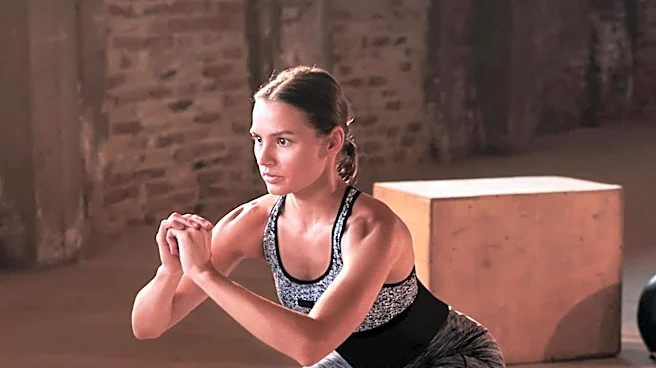
Bodyweight exercises are highlighted as a versatile and accessible fitness option for women, requiring minimal to no equipment and capable of being performed in various locations. Key exercises include bodyweight squats, jump squats, reverse lunges, and push-ups,
which target multiple muscle groups such as quadriceps, glutes, hamstrings, chest, shoulders, triceps, and core. These exercises are foundational for building lower-body strength, improving balance, and developing upper-body pushing strength. For instance, bodyweight squats reinforce fundamental movement patterns and can be progressed to more advanced variations. Reverse lunges focus on unilateral leg training, enhancing balance and coordination. Push-ups are a compound upper-body exercise that also demands core stability. The adaptability of these exercises allows for modifications to suit different fitness levels, from beginners needing support (e.g., chair squats) to those seeking increased intensity (e.g., explosive jump squats). Bodyweight circuit training is also noted as a low-impact option combining cardio and strength.
Why It's Important?
The emphasis on bodyweight exercises is significant for promoting inclusive fitness, as it removes common barriers such as the need for gym memberships or specialized equipment. This accessibility can empower more women to engage in regular physical activity, contributing to improved public health outcomes. By focusing on fundamental movements, these exercises help individuals build a strong foundation, which is crucial for preventing injuries and enhancing overall functional strength in daily life. The ability to perform these workouts anywhere makes fitness more convenient and sustainable, especially for individuals with busy schedules or limited access to fitness facilities. Furthermore, the progression options within bodyweight training ensure that individuals can continuously challenge themselves, fostering long-term adherence to exercise routines and supporting sustained improvements in strength, stamina, and body composition. This approach democratizes fitness, making it attainable for a broader demographic.
What's Next?
As awareness of accessible fitness options grows, there may be an increased adoption of bodyweight training programs in community health initiatives, online fitness platforms, and personal training methodologies. Fitness professionals are likely to continue developing and promoting diverse bodyweight routines, potentially integrating them with other minimal-equipment tools like resistance bands or dumbbells to offer varied challenges. Educational content focusing on proper form and progression for bodyweight exercises will become increasingly important to ensure safe and effective workouts. We might also see a rise in specialized bodyweight fitness challenges and virtual classes designed to cater to different goals, from strength building to cardiovascular endurance. This trend could lead to a broader understanding and appreciation of how effective fitness can be achieved without extensive resources, influencing how individuals approach their health and wellness journeys.
Beyond the Headlines
The promotion of bodyweight exercises extends beyond mere physical fitness; it fosters a sense of self-reliance and empowerment in individuals by demonstrating that significant health improvements can be achieved with personal commitment rather than external resources. This approach can shift societal perceptions of fitness from an exclusive, equipment-dependent activity to an inclusive, self-directed practice. Ethically, it addresses disparities in health access, offering a viable solution for those in underserved communities or with financial constraints. Culturally, it reinforces the idea that the human body is a powerful tool capable of achieving remarkable physical feats on its own. In the long term, a widespread embrace of bodyweight training could contribute to a more resilient and healthier population, less reliant on commercial fitness industries and more attuned to intrinsic motivation for well-being. This shift could also influence urban planning, encouraging more public spaces conducive to outdoor bodyweight workouts.