

What's Happening?
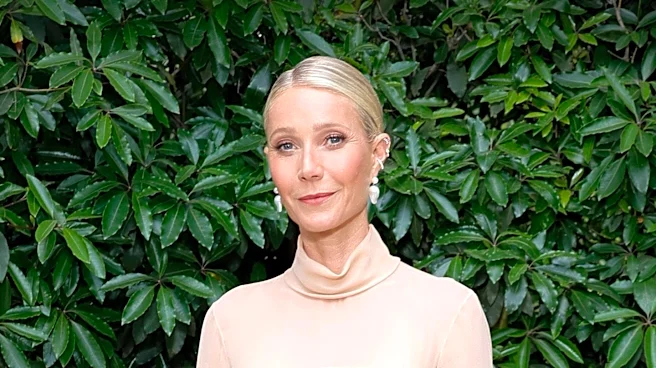
Gwyneth Paltrow recently shared her recipe for besan chilla as part of her 'boyfriendbreakfast' series. The dish, a savory pancake made from chickpea flour, was served with eggs, mint chutney, and leftover short ribs. This culinary endeavor by Paltrow has
generated a wave of humorous reactions and discussions across social media platforms, particularly on X (formerly Twitter). Many users have commented on the cultural appropriation aspect, with some jokingly suggesting that Americans might attempt to copyright the traditional Indian dish and market it as their own. Others have lightheartedly referred to it as 'white woman validation achievement unlocked,' highlighting the celebrity's introduction of a non-Western dish to a broader audience.
Why It's Important?
This event is important as it highlights the ongoing conversation surrounding cultural exchange and appropriation in the digital age, particularly when celebrities introduce dishes or practices from other cultures. While some view it as a positive step towards global culinary appreciation, others raise concerns about the potential for decontextualization or commercial exploitation without proper acknowledgment of origin. The humorous reactions on social media reflect a nuanced public sentiment, where there's both amusement and a subtle critique of how cultural elements are adopted and presented by prominent figures. This incident also underscores the power of celebrity influence in shaping trends and discussions, even in seemingly mundane areas like breakfast recipes, and how these can quickly become viral topics.
What's Next?
The immediate aftermath will likely see continued social media engagement, with more users sharing their opinions, creating memes, and potentially even trying Paltrow's version of besan chilla. There might be further discussions among food bloggers and cultural commentators regarding the ethics of celebrity-led cultural introductions. It's also possible that other celebrities or influencers might be inspired to share their interpretations of international dishes, potentially leading to similar online reactions. The incident could serve as a case study for brands and public figures on how to navigate cultural content in a way that is respectful and avoids accusations of appropriation, especially given the rapid spread of information and opinions on platforms like X.
Beyond the Headlines
Beyond the immediate humor, this situation touches upon deeper societal implications concerning authenticity, ownership, and the global flow of culture. It raises questions about who gets to define and popularize cultural elements, and whether such acts genuinely promote understanding or inadvertently contribute to a flattening of cultural distinctiveness. The 'Americans will copyright it' sentiment, while a joke, reflects a real anxiety about the commercialization and re-branding of traditional practices. This event could subtly influence how media and public figures approach showcasing diverse cultures, encouraging more thoughtful engagement and attribution. It also highlights the evolving role of social media as a platform for instant cultural commentary and critique, where traditional power dynamics in cultural dissemination are constantly being challenged.