




What's Happening?
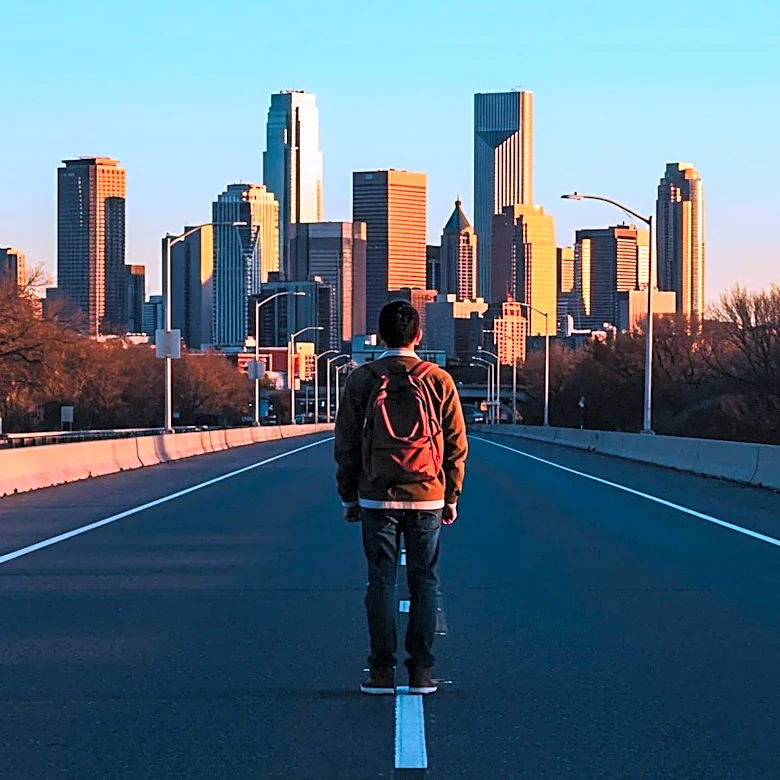
A traveler has successfully visited 40 U.S. states without possessing a driver's license, relying on alternative transportation methods. This individual shared their strategies for car-free travel across the country in a podcast episode titled "[Ep. 06
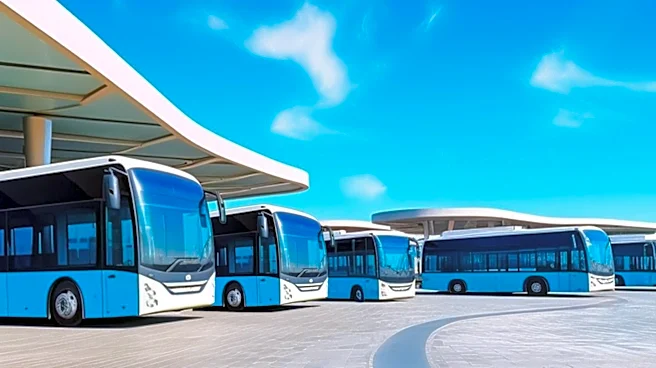
| Solo] After 40 States & No Driver's License, Here’s How I Travel the U.S. Without a Car." The methods discussed include utilizing trains, buses, public transportation, rideshares, walking, and guided tours. The traveler emphasized the importance of mixing and matching various options rather than depending on a single mode of transport. Key planning tips involve choosing walkable urban home bases, grouping nearby destinations, and arranging transportation in advance. The experience highlights that extensive U.S. travel is achievable without personal vehicle ownership.
Why It's Important?
This narrative challenges the conventional perception that a personal vehicle is essential for extensive travel within the United States. It offers practical insights and encouragement for individuals who do not drive, promoting more accessible and inclusive travel options. The strategies outlined could significantly impact urban planning and public transportation advocacy, demonstrating a demand for robust, interconnected transit systems. For the travel industry, it suggests a growing market for car-free tour packages and accommodations in walkable areas. Environmentally, promoting car-free travel aligns with sustainability goals by reducing carbon emissions and reliance on fossil fuels. Economically, it could stimulate local businesses in areas with strong public transport infrastructure, as travelers are more likely to explore on foot or use local services. This approach also empowers individuals to experience the U.S. without the financial burden of car ownership, maintenance, and fuel costs.
What's Next?
The sharing of these car-free travel strategies could inspire more individuals to explore the U.S. without a driver's license, potentially increasing demand for public transportation and alternative travel services. This might lead to further development and investment in intercity train and bus networks, as well as improved urban public transit systems. Travel companies may begin to offer more specialized car-free itineraries and packages, catering to this niche but growing market. Additionally, the discussion could prompt a re-evaluation of infrastructure priorities, with a greater focus on pedestrian-friendly cities and integrated multimodal transport hubs. Advocacy groups for sustainable travel and public transit are likely to leverage such success stories to push for policy changes and increased funding for non-vehicular travel options.
Beyond the Headlines
Beyond the practicalities of travel, this story touches upon broader societal implications regarding independence, accessibility, and environmental consciousness. It redefines the concept of freedom of movement in a car-centric society, demonstrating that personal mobility is not solely tied to vehicle ownership. This perspective can foster a greater appreciation for public spaces, local communities, and the benefits of slower, more immersive travel experiences. Ethically, it highlights the importance of creating inclusive travel environments for all, regardless of their ability to drive. Culturally, it may encourage a shift towards valuing experiences over convenience, promoting a more mindful and sustainable approach to exploring the world. The narrative also subtly critiques the infrastructure biases that often prioritize car travel, advocating for a more balanced and diverse transportation ecosystem.