

What's Happening?
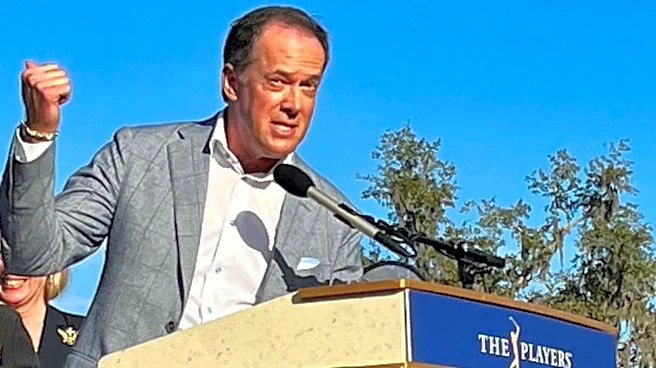
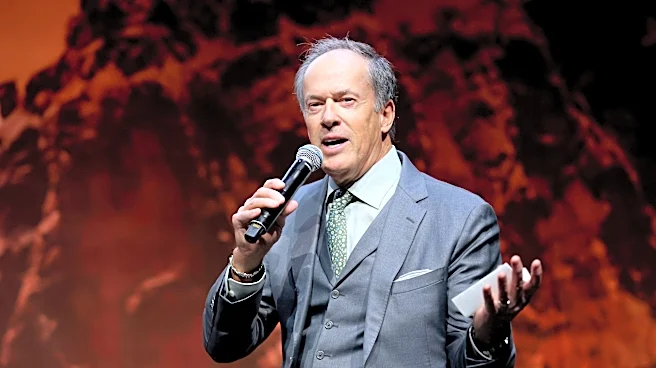
Barstool Sports founder Dave Portnoy has announced that Salim 'The Dream' Sirur will not be invited to participate in the 2027 Internet Invitational golf tournament. This decision follows Sirur's conduct during the final day of the 2026 event, where he was
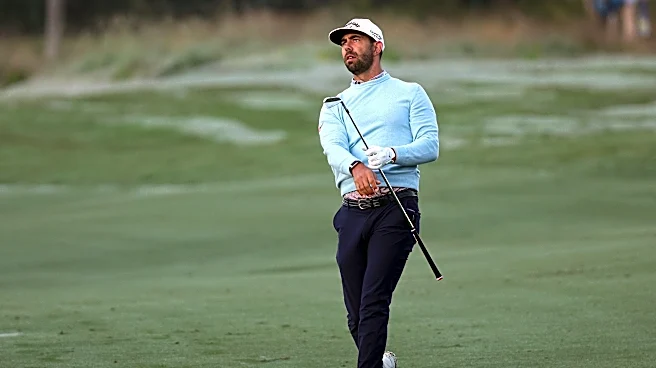
heavily intoxicated, leading to disruptive behavior and a loss for his team. Portnoy described Sirur's actions as disrespectful to players, organizers, and viewers, emphasizing the need for consequences. Sirur has since acknowledged his behavior, stating in an Instagram post that he has undertaken a 90-day sobriety challenge, prompted by watching the tournament episodes. Despite Sirur's efforts towards sobriety, Portnoy remains firm on his decision, rejecting calls for a 'redemption story' return and suggesting a three-to-five-year suspension. The incident also led to a debate initiated by former PGA Tour player Wesley Bryan, who questioned the tournament's format, suggesting it would be improved by replacing less skilled personalities with top professional golfers, a view largely opposed by fans who appreciate the event's unique blend of personalities.
Why It's Important?
Dave Portnoy's decision to exclude Salim Sirur from future Internet Invitationals underscores a critical point regarding accountability and brand image in the burgeoning field of influencer-driven events. While Barstool Sports is known for its irreverent and often controversial content, this move indicates a boundary for acceptable behavior, especially when significant prize money and public viewership are involved. This sets a precedent for how digital media companies manage the conduct of their personalities, balancing entertainment value with professional responsibility. The controversy also highlights the ongoing tension between traditional sports and new-age, personality-driven competitions. The audience's strong reaction to Wesley Bryan's suggestion to replace 'characters' with professional golfers demonstrates a clear preference for the unique entertainment value offered by diverse personalities, even if it means sacrificing some level of athletic prowess. This dynamic is crucial for understanding the future direction of sports entertainment and how it caters to different audience expectations.
What's Next?
Salim Sirur's absence from the 2027 Internet Invitational is confirmed, signaling a stricter approach to participant conduct in future Barstool Sports events. This decision may lead to a re-evaluation of participant selection and event rules to ensure a balance between entertainment and decorum. The ongoing debate about the tournament's format, particularly the mix of professional and personality-driven players, will likely continue to influence its evolution. Organizers may explore ways to integrate diverse personalities while mitigating risks of disruptive behavior. Sirur's public commitment to sobriety could, in the long term, open avenues for a potential return, but Portnoy's current stance suggests a significant period of absence. The incident will likely serve as a case study for other media organizations venturing into similar hybrid sports-entertainment formats, emphasizing the importance of clear guidelines and consequences for participant actions.
Beyond the Headlines
The fallout from the Internet Invitational, particularly Portnoy's firm stance on Sirur's exclusion, reflects a broader societal discussion about accountability in public figures, even those known for their unconventional personas. It highlights the increasing scrutiny faced by online personalities and the pressure on platforms to enforce standards of conduct. The debate over the tournament's format, pitting 'characters' against professional athletes, delves into the essence of modern entertainment: is it about pure skill or compelling narratives and personalities? The audience's preference for the latter suggests a cultural shift where authenticity and relatability, even if messy, often trump polished professionalism. This trend has implications for talent development in media, emphasizing the cultivation of unique personalities alongside traditional skills, and challenges the conventional definitions of 'sportsmanship' and 'entertainment' in the digital age.