
What's Happening?
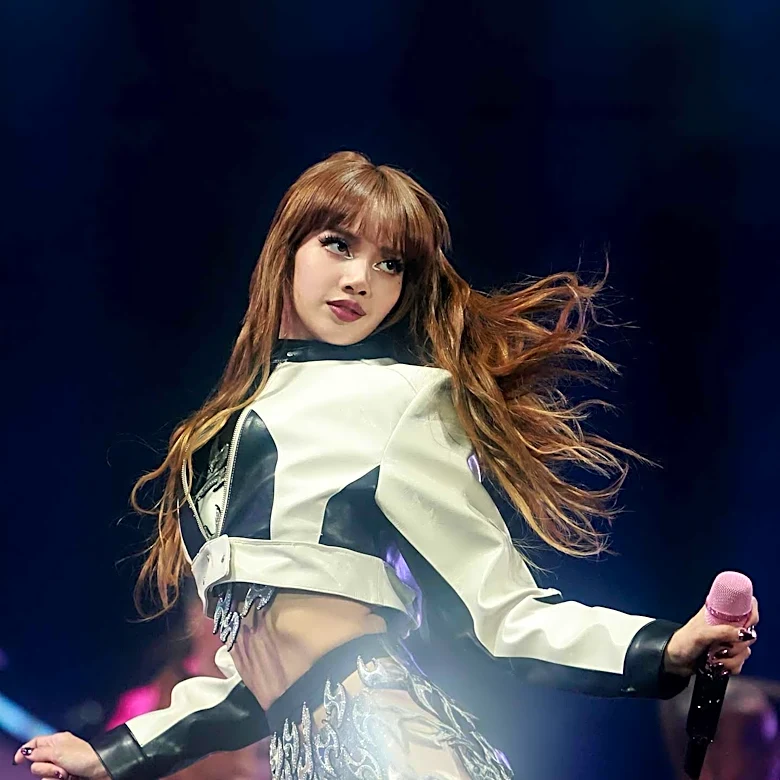
Recent celebrity fashion trends emphasize the concept of 'performance' in dressing, moving beyond casual 'effortless' looks to embrace intentional and theatrical styling. Miley Cyrus's new rock-star aesthetic, characterized by tousled hair, heavy lashes,
and designer leather and lace, exemplifies this shift. Similarly, the late Tina Turner was renowned for her stage costumes, often designed by Bob Mackie, which created a 'symphony' of movement and sound. Björk's neon-pink Bottega Veneta dress, made of fiberglass shards that jingled, also showcased fashion's auditory dimension. Even seemingly simple styles, like Kim Gordon's effortless yet confident approach to a white tee and jeans, are presented as deliberate acts of self-expression. Céline Dion's public appearances, featuring off-the-runway looks from designers like Jacquemus and Loewe, further illustrate how celebrities treat every moment as an opportunity for a fashion show.
Why It's Important?
This trend is important because it redefines the public's perception of celebrity style, shifting focus from aspirational 'effortlessness' to the artistry and intentionality behind fashion choices. For the fashion industry, it highlights the enduring influence of celebrity endorsements and the power of theatricality in design. Designers and brands gain significant exposure when their creations are worn by high-profile figures in a way that tells a story or makes a statement. For consumers, it encourages a more thoughtful approach to personal style, suggesting that dressing can be a form of self-expression and performance rather than just a functional necessity. This emphasis on curated looks also impacts media coverage, as fashion critics and publications increasingly analyze the narrative and impact of celebrity outfits, contributing to a richer dialogue around fashion as a cultural phenomenon.
What's Next?
The continued emphasis on 'performance' in celebrity fashion suggests that future trends will likely lean towards more dramatic, conceptual, and statement-making ensembles. We can expect to see more collaborations between celebrities and designers that push creative boundaries, incorporating elements of sound, movement, and narrative into clothing. This could also lead to a greater appreciation for the craftsmanship and storytelling inherent in fashion, moving away from fast fashion trends towards more unique and memorable pieces. Public figures may increasingly use their attire to convey messages, support causes, or simply entertain, making fashion an even more integral part of their public persona and brand. The 'uniform' approach, as seen with figures like Steve Jobs, also suggests a future where consistent, curated personal branding through clothing gains prominence.
Beyond the Headlines
Beyond the immediate impact on trends and celebrity culture, this focus on fashion as performance touches upon deeper psychological and sociological aspects of identity and presentation. In an increasingly visual and digital world, how one presents themselves through clothing becomes a powerful tool for communication and self-definition. The idea that an 'effortless' look takes significant effort underscores the societal pressure to appear polished and put-together, even when striving for a casual aesthetic. This trend also highlights the blurring lines between public and private life for celebrities, where every outing becomes a potential stage. It encourages a critical examination of authenticity in public image and the role of clothing in constructing and conveying identity, both for individuals and for broader cultural narratives.