






What's Happening?
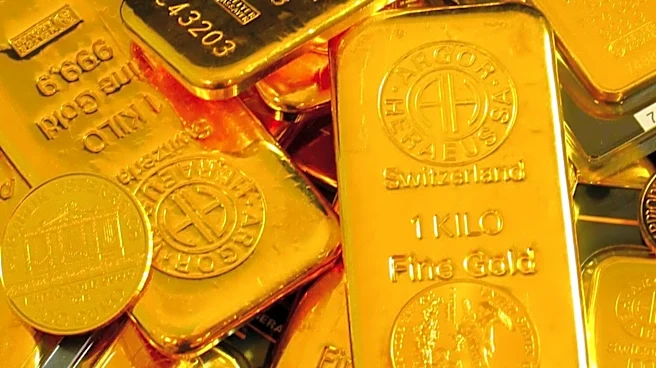
Gold prices have surged towards $4,100 an ounce following a significant drop in U.S. inflation, according to recent data from the U.S. Bureau of Labor Statistics. The Consumer Price Index (CPI) fell by 0.4% in June, marking the largest one-month decrease
since April 2020. This decline was primarily driven by a 5.7% drop in the energy index, which offset increases in other areas such as shelter and food. Over the past year, headline inflation increased by 3.5%, a decrease from the previous month's 4.2%. Core CPI, excluding food and energy, remained unchanged last month, with an annual increase of 2.6%, down from 2.9% in May. The gold market reacted positively to this data, with spot gold trading at $4,087.40 an ounce, up over 2% on the day.
Why It's Important?
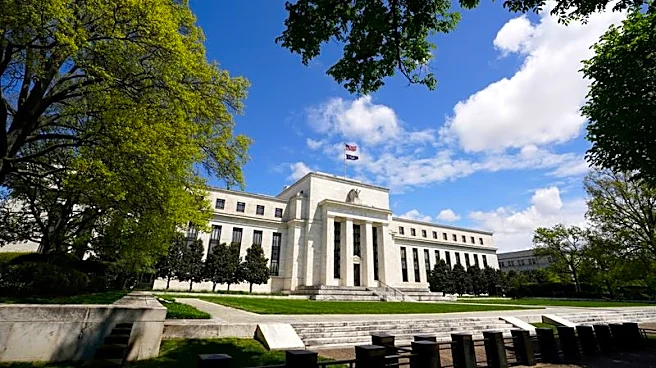
The drop in inflation has significant implications for the Federal Reserve's monetary policy. Prior to the release of the inflation data, markets were anticipating two interest rate hikes by the end of the year. However, the cooler-than-expected inflation figures have shifted expectations, with markets now predicting only one rate hike by December. This change in outlook has provided a boost to gold prices, as lower interest rates tend to increase the appeal of non-yielding assets like gold. The data also highlights ongoing volatility and uncertainty in the U.S. economy, particularly in the energy sector, which could continue to influence inflation and monetary policy decisions.
What's Next?
The Federal Reserve's future actions will be closely watched as they navigate the current economic landscape. With inflation pressures easing, the Fed may have more flexibility in its rate decisions, potentially maintaining current rates longer than previously anticipated. However, analysts warn of underlying structural shifts and geopolitical risks that could keep inflation pressures elevated. The Fed's evolving approach to inflation assessment and reduced reliance on forward guidance add layers of uncertainty to the economic outlook. Investors and market participants will need to remain vigilant as they assess the Fed's next moves and the broader economic implications.
Beyond the Headlines
The recent inflation data and subsequent market reactions underscore the complex interplay between economic indicators and monetary policy. The Federal Reserve's response to these developments will be crucial in shaping the economic environment. Additionally, the ongoing uncertainty in global energy markets and geopolitical tensions could have long-term impacts on inflation and economic stability. As the Fed adapts its strategies, the potential for unexpected shifts in policy could influence investor confidence and market dynamics.