






What's Happening?
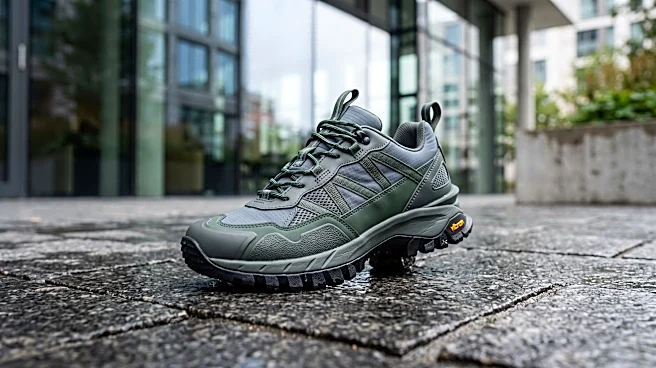
BONA Shoes, a gorpcore footwear manufacturer, has released its 2027 OEM guide for sourcing outdoor sneakers, reflecting the continued growth of the gorpcore trend. This trend combines outdoor functionality with urban aesthetics, leading to increased consumer
demand for trail-ready shoes suitable for cities, offices, and everyday life. The guide emphasizes the importance of finding reliable manufacturers capable of producing footwear that handles rain and rough pavement without resembling traditional hiking boots. BONA Shoes highlights key technical differences between heavy-duty and lightweight styles, noting that heavy-duty options focus on maximum durability and weather resistance for harsh environments, while lightweight styles prioritize breathability, weight reduction, and visibility for light hiking and daily city wear. The company offers a minimum order quantity (MOQ) of 300 pairs per style for both ODM and OEM orders, with standard sampling taking 7 days and new mold development requiring 45 days.
Why It's Important?
This OEM guide from BONA Shoes is crucial for brands looking to capitalize on the burgeoning gorpcore market in 2027. The detailed insights into manufacturing requirements, such as waterproof linings and reflective trims, underscore the technical complexities involved in producing high-performance outdoor-inspired footwear. For U.S. businesses in the apparel and footwear sectors, understanding these manufacturing nuances is vital for product development and supply chain management. The guide's focus on balancing protection, weight, and style directly addresses consumer expectations for versatile footwear that performs in diverse environments. The emphasis on certifications like BSCI and ISO 9001 also signals a growing demand for ethical and quality-controlled manufacturing processes, which can influence sourcing decisions for U.S. brands aiming to meet consumer and regulatory standards. This strategic guidance helps brands navigate the evolving landscape of outdoor-urban fashion.
What's Next?
Brands planning their 2027 lines will need to prioritize selecting manufacturers that possess the technical capability to produce gorpcore footwear, specifically those experienced with waterproof constructions and reflective adhesion testing. BONA Shoes advises B2B buyers to request samples of waterproof construction, verify reflective adhesion testing, and confirm outsole suppliers for grip performance. The company's commitment to a 300-pair MOQ and 7-day sampling period suggests an agile approach to production, which could enable brands to respond quickly to market demands. The continued growth of gorpcore means that manufacturers will likely invest further in research and development to innovate materials and designs that enhance both functionality and aesthetic appeal. This will drive competition among footwear manufacturers to offer advanced technical features and sustainable production methods.
Beyond the Headlines
The detailed manufacturing requirements for gorpcore footwear, particularly concerning waterproofing and reflective elements, highlight the increasing sophistication of consumer expectations for everyday products. This trend extends beyond mere fashion, reflecting a broader societal value placed on preparedness, durability, and safety in personal items. The integration of technical features, once exclusive to specialized gear, into mainstream fashion suggests a democratization of advanced product design. This could lead to a ripple effect across other consumer goods, where functionality and resilience become as important as aesthetics. Furthermore, the emphasis on certifications like BSCI and ISO 9001 points to a growing consumer and industry demand for transparency and ethical practices in global supply chains, pushing manufacturers to adhere to higher standards of labor and quality control.