

What's Happening?
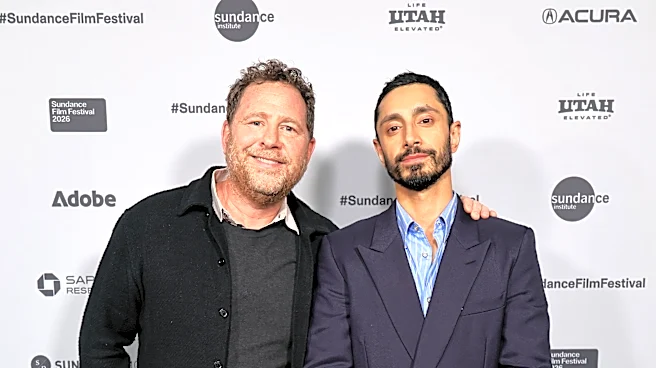
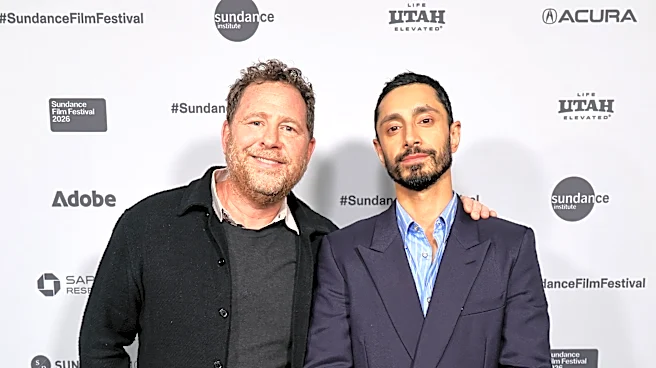
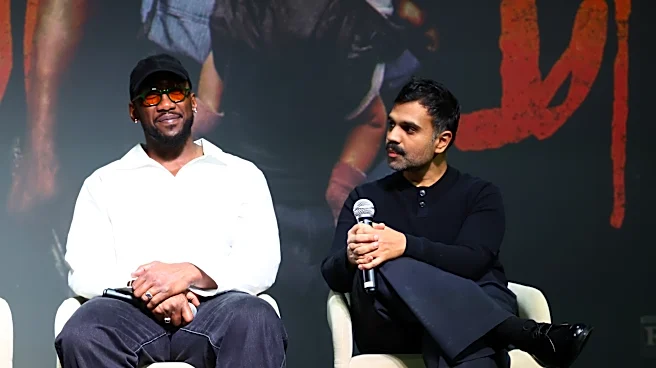
Bassam Tariq, the director originally attached to Marvel's 'Blade' reboot, has openly criticized the studio's production process, citing a lack of creative control and the practice of casting actors without a finalized script. In an interview with The
New Arab, Tariq revealed that he found himself in a difficult position, communicating creative decisions that were not his own, which he felt undermined his credibility with actors. He emphasized that his biggest takeaway from the experience was the importance of having full control over his script. Tariq joined the 'Blade' project in 2021 but departed in September 2022, just months before filming was scheduled to begin. The project subsequently saw other directors and screenwriters come and go before Marvel ultimately abandoned the planned production.
Why It's Important?
Bassam Tariq's candid remarks about his experience with Marvel's 'Blade' project are significant for the U.S. film industry, particularly for the ongoing debate surrounding creative control in major studio productions. His comments highlight potential systemic issues within large franchises, where corporate entities may exert excessive influence over artistic decisions, potentially compromising the quality and integrity of the final product. This situation can deter talented filmmakers from working on blockbuster projects, leading to a brain drain from big-budget cinema. For actors, being cast without a complete script can create uncertainty and impact their ability to fully develop their characters, as noted by Tariq. This scenario also raises questions about the sustainability of Marvel's rapid expansion strategy, which Marvel Studios president Kevin Feige himself acknowledged led to 'quantity trumped quality' during a period of aggressive Disney+ programming. The implications extend to audiences, who may ultimately receive less cohesive or creatively compromised films.
What's Next?
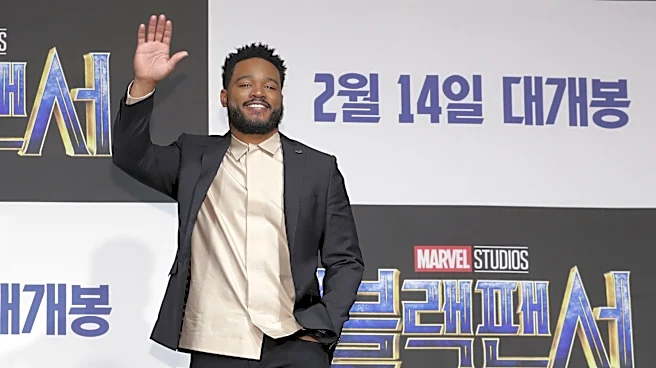
Following Tariq's revelations, the U.S. film industry may see increased scrutiny on the creative processes within major studios, particularly Marvel. Filmmakers and actors might become more vocal about demanding greater creative autonomy in their contracts. Marvel, in turn, may face pressure to re-evaluate its production model, potentially leading to adjustments in how projects are greenlit, developed, and executed. The 'Blade' project's troubled history, with multiple directors and screenwriters exiting, could serve as a cautionary tale for other studios. While the immediate future of the 'Blade' reboot remains uncertain, Tariq's comments could influence how future collaborations between independent-minded directors and large studios are structured, potentially fostering more transparent and artist-friendly environments. The industry might also witness a renewed appreciation for original, director-driven projects outside the franchise system, as exemplified by Tariq's praise for Ryan Coogler's 'Sinners'.
Beyond the Headlines
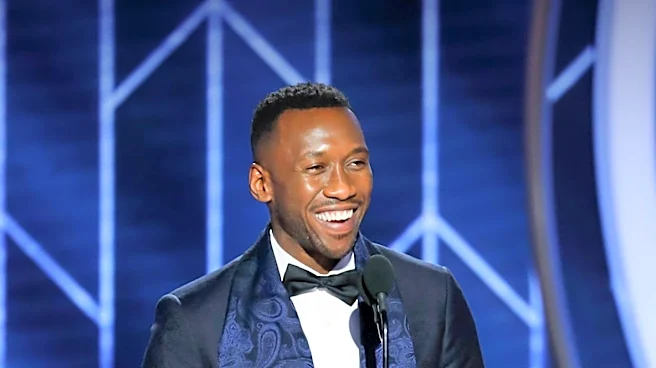
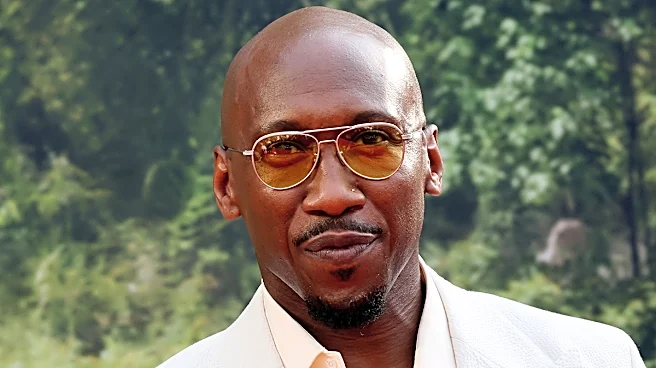
Bassam Tariq's experience with Marvel delves into deeper ethical and cultural implications within the U.S. entertainment industry. The struggle for creative control versus corporate mandates is a perennial issue, but Tariq's account brings it to the forefront in the context of a highly successful and influential studio. His emphasis on 'integrity' and the danger of losing credibility with actors highlights the human cost of a production model that prioritizes corporate timelines over artistic development. Culturally, the failure to launch a 'Blade' reboot, especially one with Mahershala Ali, a two-time Oscar winner, underscores the challenges of adapting beloved intellectual properties while maintaining creative vision. This situation also reflects a broader industry trend where the allure of massive franchises can sometimes overshadow the importance of a strong, coherent narrative and a director's unique voice. The comparison to Ryan Coogler's 'Sinners' further emphasizes the value of original storytelling and artistic freedom in producing impactful cinema, suggesting a potential shift in audience and industry appreciation towards more singular, author-driven works.