




What's Happening?
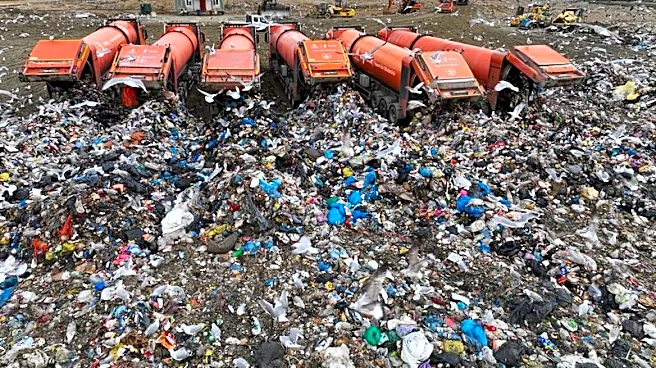
The recent Istanbul Marathon has drawn criticism for significant plastic waste along its route and several organizational shortcomings. Participants reported thousands of plastic bottles being discarded at water stations, leaving parts of the course littered.
This issue is particularly highlighted given Turkey's role as host for COP31, placing it at the center of global climate discussions. Beyond environmental concerns, runners experienced logistical problems, including ferry delays that caused many to miss bag drop deadlines and a congested start area where bag drop, toilets, and course entrance were all crammed into a small space. These organizational flaws led to slow-moving crowds and unnecessary stress for participants before the race began. The marathon, known for its unique intercontinental course, is being urged to address these 'small things' to match its world-class setting with world-class details.
Why It's Important?
The issues at the Istanbul Marathon underscore broader challenges in managing large-scale public events, particularly regarding environmental responsibility and participant experience. The extensive plastic waste directly contradicts global efforts to combat plastic pollution and presents a negative image for Turkey, especially as it prepares to host COP31. This could impact the nation's reputation as a leader in climate action. For event organizers globally, the marathon serves as a case study on the importance of sustainable practices and efficient logistics. Failing to address these aspects can detract from an otherwise unique and appealing event, potentially affecting future participation and sponsorship. The incident highlights the growing expectation from the public for events to be environmentally conscious and well-managed, impacting how cities and countries are perceived on an international stage.
What's Next?
For the Istanbul Marathon organizers, immediate next steps will likely involve a review of their waste management and logistical strategies. Implementing solutions such as using cups instead of sealed bottles, establishing refill stations, or utilizing compostable materials could significantly reduce plastic waste. Re-evaluating the start area layout to separate facilities and streamline runner flow, as well as better coordinating bag drop deadlines with transportation schedules, would address the organizational issues. There may be public pressure and calls from environmental groups for the marathon to adopt more sustainable practices ahead of future events. The success of these changes could serve as a model for other major marathons and large public gatherings aiming to improve their environmental footprint and participant satisfaction.
Beyond the Headlines
The criticism leveled at the Istanbul Marathon extends beyond mere operational hiccups; it touches upon the ethical responsibility of large events in an era of heightened environmental awareness. The contrast between the marathon's stunning intercontinental course and the unsightly plastic litter highlights a disconnect between aspirational branding and practical execution. This situation reflects a broader societal challenge where convenience often trumps sustainability, even when the environmental costs are evident. The incident also brings into focus the role of host nations in demonstrating environmental commitment, especially when they are poised to lead international climate discussions. It suggests that true commitment to environmental stewardship must be visible at all levels, from national policy to local events, influencing public perception and setting precedents for global best practices.