







What's Happening?
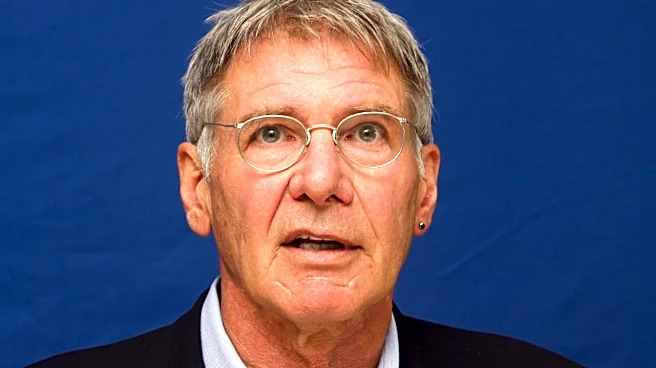
At 84 years old, actor Harrison Ford continues to lead a remarkably active lifestyle, incorporating cycling, tennis, and outdoor activities into his routine. He emphasizes functional strength and injury prevention over intense workouts, a strategy supported
by his longtime trainer, Jamie Milnes. Ford's fitness regimen includes using dumbbells, medicine balls, and an abdominal wheel, alongside cardiovascular exercises like biking and tennis. Beyond physical activity, Ford has also adopted significant dietary changes, eliminating meat and dairy from his diet, though he still consumes fish. This decision, revealed during an appearance on The Ellen DeGeneres Show in 2020, was driven by both personal health considerations and a commitment to environmental sustainability. He stated that he grew tired of eating meat and recognized its negative impact on the planet and his own well-being. His approach to health and longevity focuses on enjoyable activities and conscious dietary choices rather than strenuous efforts.
Why It's Important?
Harrison Ford's public embrace of an active, plant-forward lifestyle at an advanced age holds significant cultural and public health implications. As a prominent figure, his choices can influence public perception regarding aging, fitness, and diet. His emphasis on sustainable and health-conscious eating, particularly the reduction of meat and dairy for environmental reasons, aligns with growing trends in the U.S. and globally. This could encourage more individuals to consider similar dietary shifts, potentially impacting the food industry and agricultural practices. Furthermore, his focus on functional fitness and injury prevention offers a relatable model for older adults seeking to maintain mobility and quality of life without resorting to extreme exercise regimes. This narrative challenges conventional notions of aging, promoting the idea that an active and mindful lifestyle can be sustained well into one's eighties and beyond, contributing to broader discussions on healthy aging and environmental responsibility.
What's Next?
While the source does not explicitly detail future plans for Harrison Ford's health regimen, his continued public presence in films like 'Captain America: Brave New World' and the TV series 'Shrinking' suggests a sustained commitment to his active lifestyle. His ongoing career in physically demanding roles will likely continue to showcase the benefits of his chosen health and fitness approach. It is probable that Ford will maintain his current routine of cycling, playing tennis, and engaging in outdoor activities, alongside his plant-based diet. His public statements and actions could further inspire discussions around sustainable living and healthy aging, potentially leading to more public figures advocating for similar practices. The long-term impact of his choices may be seen in continued public interest in celebrity health and wellness trends, particularly those that combine personal well-being with environmental consciousness.
Beyond the Headlines
Harrison Ford's lifestyle choices extend beyond personal health, touching upon broader ethical and environmental considerations. His decision to reduce meat and dairy consumption due to environmental concerns highlights a growing awareness among public figures about the ecological footprint of dietary habits. This aligns with a global movement towards more sustainable food systems and could prompt deeper conversations about the role of individual choices in addressing climate change. Ethically, his actions underscore the interconnectedness of personal health and planetary well-being, suggesting a moral dimension to dietary decisions. Culturally, Ford's longevity and continued vitality challenge ageist stereotypes in Hollywood and society at large, promoting a more inclusive view of what is possible in later life. His example could contribute to a long-term shift in how society perceives aging, fitness, and environmental responsibility, encouraging a more holistic approach to health that encompasses both individual and collective well-being.