





What's Happening?
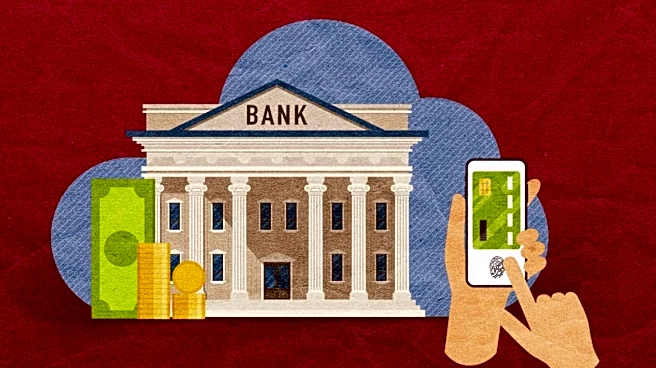
The U.S. banking landscape offers consumers a choice between traditional banks with physical branches and online-only banks. Traditional banks provide in-person customer service, convenient cash deposit and withdrawal options at branches and ATMs, and a wider
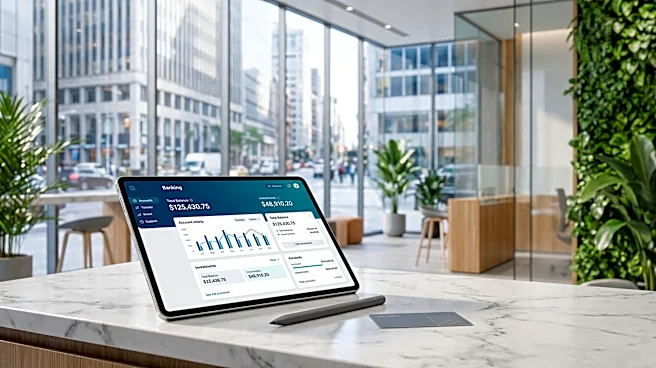
array of services such as safe deposit boxes, money orders, mortgages, and wealth management. However, they often have limited operating hours and may require in-person visits for certain transactions. Online banks, conversely, operate entirely through websites and mobile apps, offering significant convenience for managing finances anytime, anywhere. While online banks may partner with ATM networks for cash access or reimburse fees, depositing cash can be challenging, and customer service is typically limited to phone, chat, or email, which may feel less personal. The choice between the two largely depends on individual needs and preferences.
Why It's Important?
The distinction between traditional and online banking is crucial for U.S. consumers as it impacts their financial management choices and access to services. The rise of online banking has democratized access to financial tools, offering flexibility and often lower fees, which can be particularly beneficial for individuals who prefer digital interactions and rarely handle cash. Conversely, traditional banks continue to serve a vital role for those who value face-to-face interactions, require frequent cash services, or need a broader range of financial products and advisory services. This dual banking system ensures that diverse consumer needs are met, but it also necessitates that consumers carefully evaluate their banking habits and priorities to choose the most suitable option. The ongoing evolution of both models, with traditional banks enhancing their digital offerings and online banks expanding their service portfolios, reflects a dynamic and competitive financial market.
What's Next?
Consumers are increasingly seeking a hybrid approach, with many traditional banks now offering robust online services and online banks expanding their ATM access or fee reimbursement policies. The future of banking in the U.S. is likely to see a continued convergence of these models, where the lines between 'traditional' and 'online' become less distinct. Financial institutions will likely focus on providing a seamless experience across all channels, allowing customers to choose how they interact based on their specific needs at any given moment. This could involve traditional banks further investing in advanced digital platforms and AI-driven customer support, while online banks might explore partnerships or innovative solutions to address the challenges of cash deposits and personalized advisory services. The emphasis will be on flexibility, convenience, and security, catering to a diverse customer base with varying preferences for digital versus in-person interactions.
Beyond the Headlines
The evolution of banking models has broader implications for financial inclusion and economic equity in the U.S. While online banking offers accessibility to many, it can pose challenges for individuals in rural areas with limited internet access or those who are unbanked and rely heavily on cash transactions. Traditional banks, with their physical presence, often play a critical role in serving these communities. The shift towards digital-first banking also raises questions about digital literacy and the potential for a widening gap between those who can navigate complex online platforms and those who cannot. Furthermore, the security of online transactions and the protection of personal financial data remain paramount concerns. As the banking sector continues to innovate, policymakers and financial institutions must consider how to ensure that all Americans have equitable access to secure, convenient, and comprehensive financial services, regardless of their digital proficiency or geographic location.