





What's Happening?
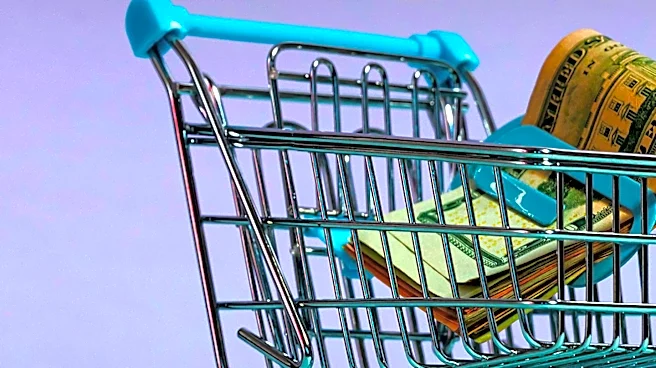
A new analysis by the Urban Institute, highlighted by Consumer Reports, reveals that over one in four working-age adults in the U.S. struggled to pay off grocery bills charged to credit cards last year. Additionally, nearly one in ten used 'buy now, pay later'
services for groceries and faced difficulties with repayments. This trend indicates a growing reliance on credit for essential food purchases, exacerbating financial strain for many households. Consumer Reports offers practical advice to mitigate these costs, including checking existing pantry items before shopping, setting a budget, and strategically choosing where to shop. Price comparisons conducted by Consumer Reports found that stores like Costco, BJ’s, Aldi, and Lidl generally offered lower prices than Walmart. The report also encourages consumers to utilize coupons, digital offers, and store loyalty programs, and to consider store brands and unit pricing for better value.
Why It's Important?
The increasing reliance on credit for groceries signifies a critical economic challenge for many U.S. households, reflecting broader inflationary pressures and stagnant real wages. This trend can lead to a cycle of debt, as individuals accrue interest on essential purchases, making it harder to achieve financial stability. The advice from Consumer Reports is vital for helping individuals manage their budgets more effectively and reduce their debt burden. By identifying more affordable grocery options and smart shopping strategies, the report empowers consumers to stretch their dollars further. This issue impacts not only individual financial health but also has broader implications for the U.S. economy, as consumer debt levels can affect spending patterns and overall economic growth. Addressing this problem requires a combination of personal financial management and potentially broader economic policies to alleviate cost-of-living pressures.
What's Next?
Consumers are encouraged to immediately implement the cost-saving strategies outlined by Consumer Reports, such as pre-shopping inventory checks, budgeting, and comparing prices across different retailers. The continued monitoring of grocery prices and consumer spending habits by organizations like Consumer Reports and the Urban Institute will be crucial to track the evolution of this trend. Policymakers may also face increasing pressure to address the rising cost of living and its impact on household budgets, potentially leading to discussions about food assistance programs or economic policies aimed at curbing inflation. Individuals struggling with grocery debt may also seek financial counseling or debt management resources to address their immediate financial challenges. The focus will remain on empowering consumers with practical tools to navigate the current economic landscape.
Beyond the Headlines
The phenomenon of going into debt for groceries points to a deeper societal issue of food insecurity and economic precarity in the U.S. While often associated with low-income households, the analysis suggests that a significant portion of working-age adults are struggling, indicating a broader economic vulnerability. This situation can have long-term health and social implications, as families may compromise on nutritional quality to save money, leading to potential health issues. The reliance on credit for basic necessities also erodes financial resilience, making households more susceptible to unexpected financial shocks. This trend highlights the ethical responsibility of retailers and policymakers to ensure access to affordable, nutritious food. It also underscores the need for comprehensive financial education and support systems to help individuals navigate increasingly challenging economic conditions and prevent debt from spiraling out of control.