






What's Happening?
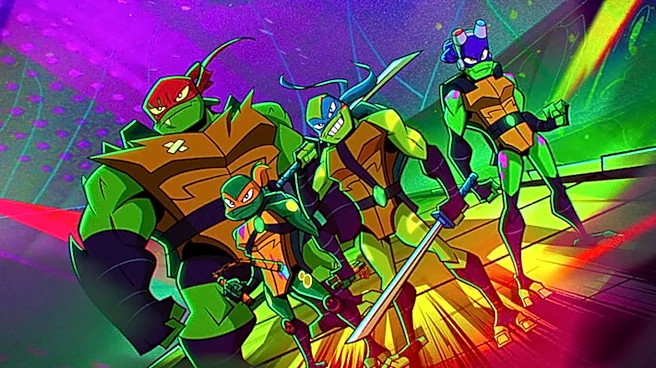
Fans have voiced significant dissatisfaction with several CGI recreations of beloved animated characters, citing issues with design choices and a failure to capture the original essence. Among the examples highlighted is the 2014 'Teenage Mutant Ninja
Turtles' film, where the Turtles received a 'gritty reboot' makeover with realistic reptile skin and proportions. This design was criticized for being 'overdesigned' and at odds with the expected tone of a TMNT movie, leading to an 'uncanny valley' effect. Other characters that drew fan ire include Sonic's original design, Flounder from 'The Little Mermaid' (2023), and Garfield from 'Garfield: The Movie' (2004), all of which were perceived as losing their charm or personality in their CGI adaptations.
Why It's Important?
This widespread fan backlash is important for the U.S. entertainment industry, particularly for studios and filmmakers involved in adapting animated properties into live-action or CGI-heavy formats. It underscores the critical importance of understanding and respecting the established visual identity and tone of beloved characters. Negative fan reception can significantly impact box office performance, merchandise sales, and the long-term viability of a franchise, as evidenced by the need to redesign Sonic after initial fan outcry. This trend highlights a growing tension between creative freedom in adaptation and fan expectations, influencing how studios approach character design and audience engagement in pre-production and marketing phases.
What's Next?
Studios are likely to become even more cautious and audience-attuned when developing CGI adaptations of popular animated characters. This could lead to increased fan consultation, earlier release of character designs for feedback, and a greater emphasis on maintaining the core aesthetic and spirit of original characters. The financial and reputational risks associated with alienating fan bases will likely drive a more conservative approach to character redesigns. Furthermore, advancements in CGI technology may focus not just on realism, but also on achieving a balance between new visual fidelity and nostalgic appeal, aiming to avoid the 'uncanny valley' and preserve character charm.
Beyond the Headlines
The phenomenon of fan backlash against CGI character redesigns reflects a deeper cultural attachment to fictional characters, which often serve as touchstones of childhood and identity. When these characters are altered in ways that deviate significantly from their established forms, it can feel like a betrayal of that emotional connection. This also raises questions about artistic interpretation versus fidelity to source material in adaptations. The debate extends beyond mere aesthetics, touching on issues of authenticity, nostalgia, and the evolving relationship between creators and their audiences in the digital age, where collective fan voices can exert considerable influence on major studio decisions.