




What's Happening?
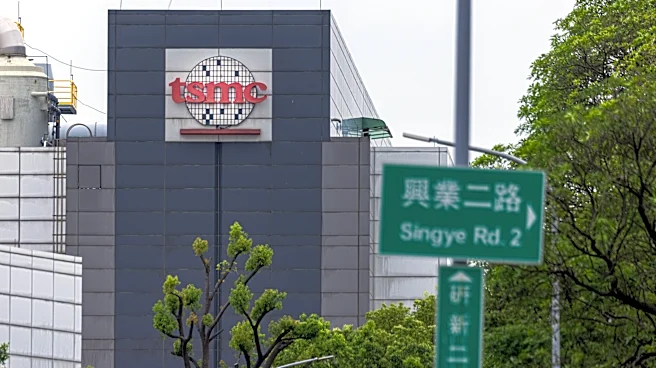
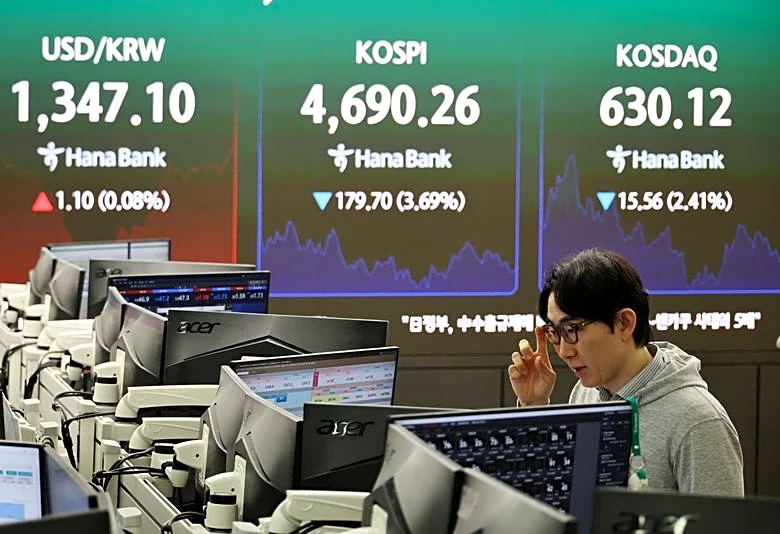
Taiwan Semiconductor Manufacturing Company (TSMC) experienced a 6.96% drop in its stock price, closing at $327.60 on Friday, down from $352.09. This decline, a decrease of $24.49, occurred amidst a broader global retreat from AI-linked equities. A significant
contributing factor was the introduction of new U.S. export rules by the Bureau of Industry and Security (BIS), which narrow licensing options for foundries serving China-based chip designers. Reports indicate that TSMC, along with Samsung, has paused certain shipments to Chinese customers, specifically affected orders at 16-nanometer and below, pending U.S. export authorization. The new regulations, effective November 19, restrict advanced AI chip access through overseas data centers and require licenses for front-end fabricators to ship applicable advanced-node chips designed by non-approved designers to any destination. While the revenue at stake for TSMC from these paused orders is considered modest relative to its AI-driven backlog, the regulatory change introduced a new headwind for investors.
Why It's Important?
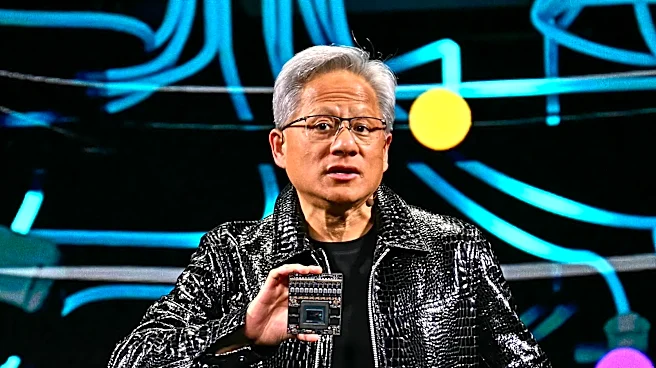
The decline in TSMC's stock, a major player in the global semiconductor industry, signals a significant shift in the market and regulatory landscape for U.S. technology and its international partners. TSMC is the world's largest contract chipmaker, producing advanced processors for key U.S. companies like Nvidia, Apple, and AMD, and is central to the AI supply chain. The new U.S. export rules underscore a strategic effort to control the flow of advanced technology to China, impacting the operations of global foundries. This move could lead to increased scrutiny and potential disruptions in the supply chain for advanced chips, affecting U.S. tech companies reliant on TSMC's manufacturing capabilities. While the immediate revenue impact on TSMC might be limited, the regulatory uncertainty and the broader market sell-off in AI-linked equities reflect investor concerns about future growth and profitability in a more restricted trade environment. The situation highlights the growing intersection of geopolitics and technology, where U.S. policy decisions have direct and immediate financial repercussions on major international corporations and the global tech market.
What's Next?
Attention will now focus on whether the recent sell-off represents a valuation reset or the beginning of an earnings revision cycle for TSMC and the broader semiconductor industry. Upcoming monthly sales reports and the January quarterly update from TSMC will be closely scrutinized for any indications that the new export restrictions are impacting order books. Key variables influencing the future trajectory include the pace of U.S. licensing decisions for chip shipments, the scale of foreign investment outflows from Taiwan, and the direction of Federal Reserve policy. The ability of companies like Nvidia to maintain their product roadmaps amidst these changes will also be critical. There are dual risks: tighter controls and anti-data-center politics could suppress demand, while continued capacity tightness in advanced packaging could still lead to upside surprises. The market will be watching for how TSMC navigates these regulatory hurdles and adapts its operations to the evolving U.S. export control landscape.
Beyond the Headlines
The U.S. export rules targeting advanced chip technology for China have deeper implications beyond immediate stock market fluctuations. This development reflects a broader U.S. strategy to safeguard national security interests and maintain technological superiority, particularly in critical areas like artificial intelligence. The restrictions could accelerate efforts by U.S. and allied nations to diversify their semiconductor supply chains and reduce reliance on manufacturing in potentially sensitive geopolitical regions. For U.S. tech companies, this might necessitate re-evaluating their design and manufacturing strategies, potentially leading to increased domestic production or partnerships with foundries in other allied countries. The ethical dimension of technology control also comes into play, as the U.S. balances economic interests with national security concerns, potentially influencing global standards for technology transfer and intellectual property. This move could also spur China to intensify its efforts in developing indigenous semiconductor capabilities, leading to a more fragmented global technology landscape in the long term.