







What's Happening?
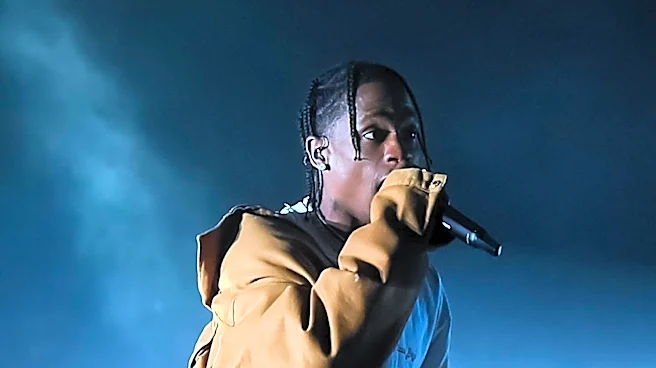
Travis Scott encountered a significant sample clearance problem for his hit song "Antidote," leading him to relinquish 50% ownership of the track. This issue arose because the song, which samples Lee Fields & The Expressions and producer Leon Michels,
was initially uploaded to SoundCloud without formal paperwork or clearance. According to producer Eestbound in a 2015 interview, there was no communication or email regarding the song's release. Once "Antidote" gained popularity and was formally released on streaming services, peaking at number 16 on the Billboard Hot 100, the original artists insisted on a much larger share due to the lack of initial clearance. Typically, artists pay a smaller fee, around 10-15%, for sample clearance. However, due to the oversight and the song's unexpected success, Scott had to concede a substantially higher percentage.
Why It's Important?
This incident highlights the critical importance of proper sample clearance in the music industry, particularly in hip-hop, where sampling is a foundational element. The case of "Antidote" demonstrates how a lack of upfront legal processes can lead to significant financial and ownership repercussions for artists, even for highly successful tracks. For emerging artists, this serves as a cautionary tale about the necessity of securing all necessary rights before releasing music, especially on platforms like SoundCloud where informal releases can quickly gain traction. The situation also underscores the power dynamic between original artists and those who sample their work, emphasizing that intellectual property rights remain paramount regardless of a song's initial distribution method. The loss of 50% ownership on a major hit like "Antidote," which has nearly 450 million views on YouTube and was a key single for Scott's breakout album 'Rodeo,' represents a substantial forfeiture of potential earnings and creative control.
Beyond the Headlines
The "Antidote" sample clearance issue delves into the evolving legal and ethical landscape of music creation in the digital age. The rise of platforms like SoundCloud has blurred the lines between informal sharing and commercial release, creating new challenges for intellectual property rights. This case illustrates that even if a track is initially released for free, its commercial success can retroactively trigger stringent demands from original rights holders. It also raises questions about the responsibility of producers and artists to ensure all samples are cleared, regardless of the initial distribution strategy. The incident could influence how record labels and artists approach sample-heavy productions, potentially leading to more rigorous pre-release clearance protocols and increased awareness of the long-term financial implications of uncleared samples. This situation underscores the ongoing tension between creative freedom and copyright law in the fast-paced world of music production.