

What's Happening?
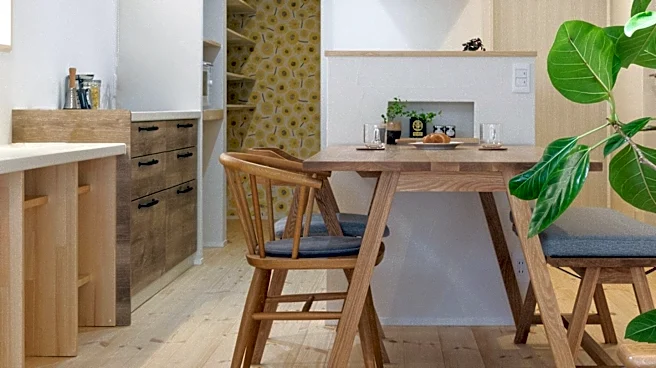
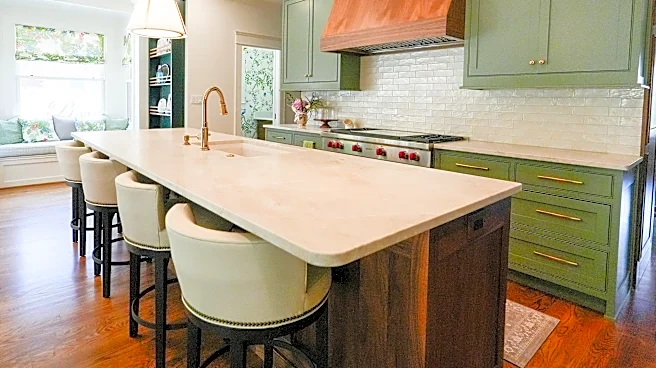
Interior designers are observing several key kitchen cabinet trends for 2026 that focus on personalization and can be achieved without extensive remodeling. These trends include the use of whimsical hardware, slim Shaker-inspired details, and mixed cabinet finishes,
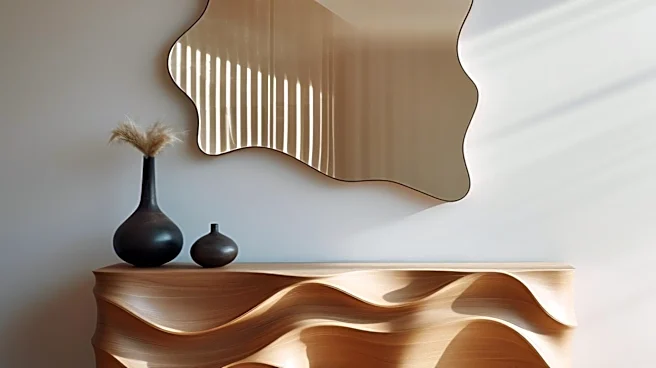
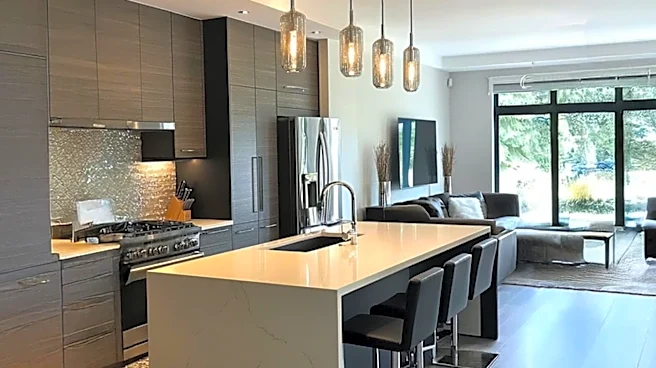
such as combining richly stained wood with painted surfaces. Designers are also seeing a move towards wallpapered, fabric-lined, or hand-painted cabinet interiors to add decorative elements. Additionally, there's a growing preference for warm, tactile hardware finishes like aged brass and bronze. A significant trend is the concept of cabinetry designed to resemble furniture, with elements like concealed appliances and furniture-style feet, making kitchens feel less utilitarian and more integrated with the home's overall aesthetic. These updates aim to create a layered, natural, and collected look that reflects individual personality.
Why It's Important?
These emerging trends are important for the U.S. home improvement and interior design industries as they signal a shift towards more accessible and less disruptive renovation approaches. Homeowners are increasingly seeking ways to update their living spaces without undertaking costly and time-consuming full remodels. This focus on smaller, impactful changes can stimulate demand for specific products like unique hardware, specialized paints, and wallpaper, benefiting manufacturers and retailers in these segments. For designers, it emphasizes the importance of creative solutions that maximize existing structures. The trend towards personalization also reflects a broader consumer desire for homes that uniquely express their identity, moving away from overly uniform or mass-produced aesthetics. This could lead to a more vibrant market for custom and semi-custom design elements.
What's Next?
The emphasis on minor updates suggests that manufacturers and retailers will likely increase their offerings of customizable and easily interchangeable kitchen components, such as diverse hardware options, cabinet door styles, and decorative interior finishes. We may see a rise in DIY-friendly products and services that enable homeowners to implement these trends themselves. Interior designers will continue to focus on integrating these personalized elements into their projects, offering clients creative ways to refresh their kitchens without major construction. The trend towards cabinetry as furniture could also influence appliance manufacturers to design more seamlessly integrated or concealed units. Overall, the market is expected to cater to a growing demand for flexible and expressive kitchen design solutions.
Beyond the Headlines
These kitchen cabinet trends reflect a deeper cultural shift towards sustainability and mindful consumption in home design. By advocating for updates that don't require a full remodel, designers are implicitly encouraging homeowners to extend the life of existing structures, reducing waste and the environmental impact associated with large-scale renovations. The desire for personalization and unique expression also speaks to a broader rejection of fast-fashion-like trends in home decor, favoring timelessness and individuality. This approach fosters a more intimate connection between homeowners and their living spaces, where every detail contributes to a curated and meaningful environment. It also highlights the evolving role of the kitchen, transforming it from a purely functional space into a central, aesthetically integrated part of the home.